Buderim
Escarpment house, Sunshine Coast





Buderim Project Details
Completed 2022
Traditional Lands of the Gubbi Gubbi & Kabi Kabi people
Project Type
New Build House
Location
Buderim, Sunshine Coast, QLD
Awards
Best Individual House from $1 – $2M
Best Use of Steel in a Residential House
Floor area
int: 293m Ext: 54m
Photography
Architectural Team
Alexandra Buchanan with Shane Wilmett
Design Team
Inertia Engineering
Construction Team
Xceed Building
Materials
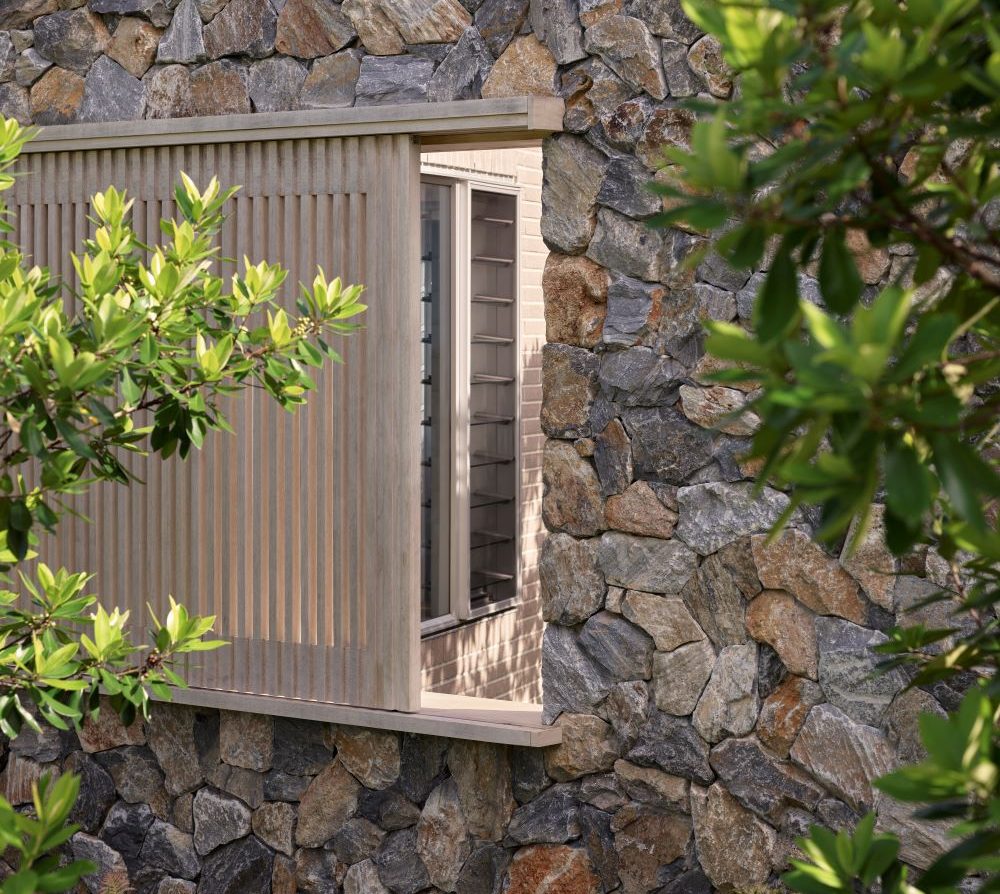
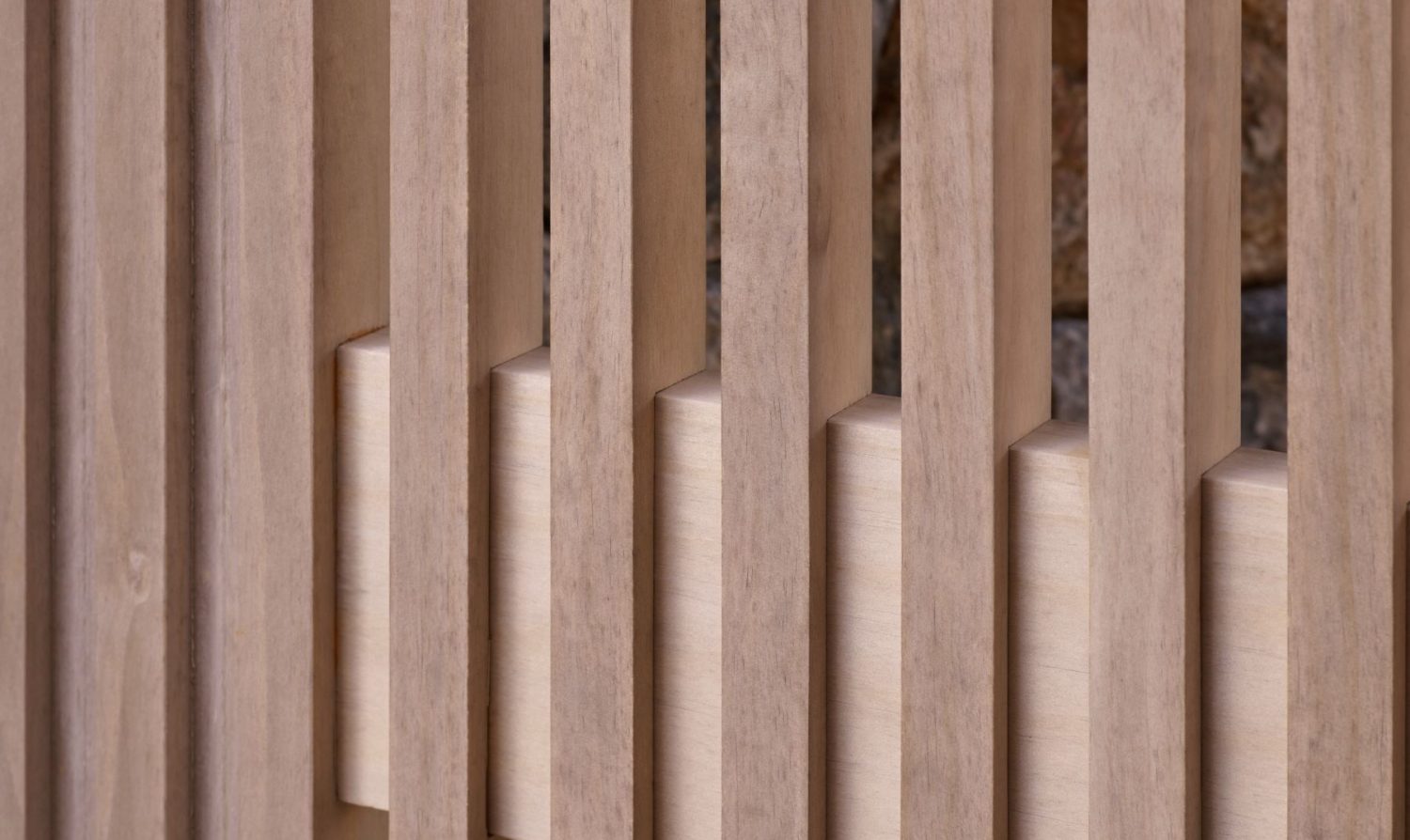
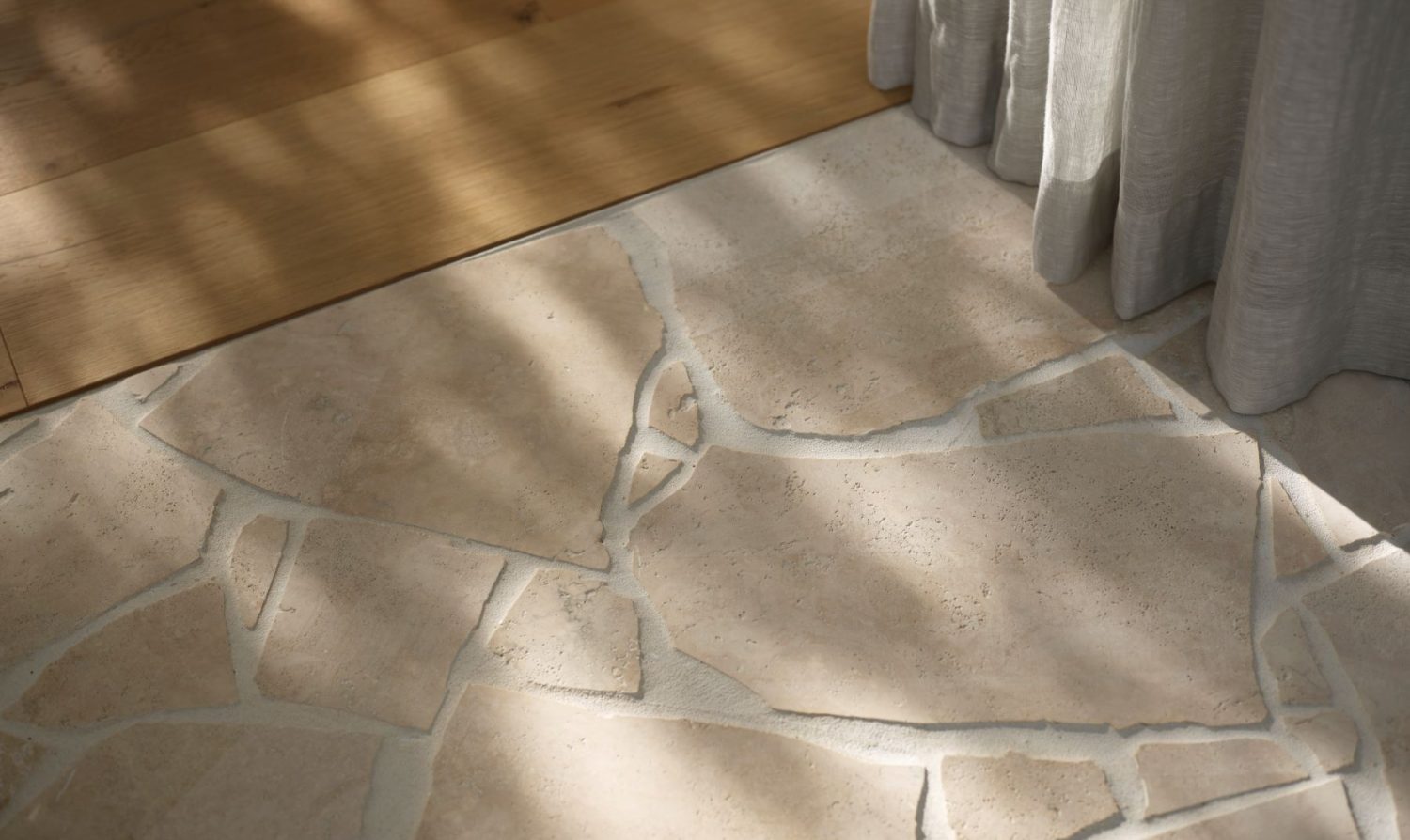
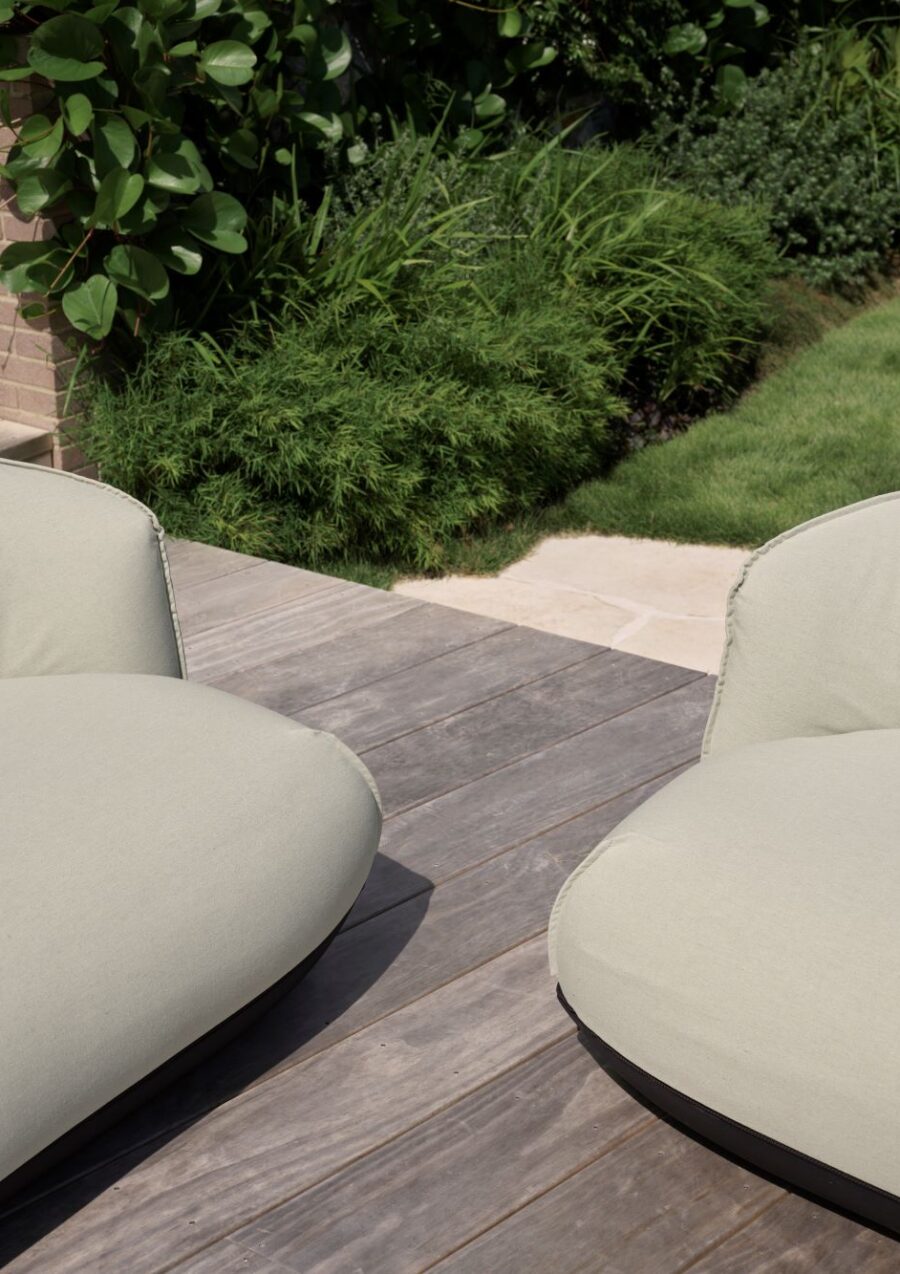
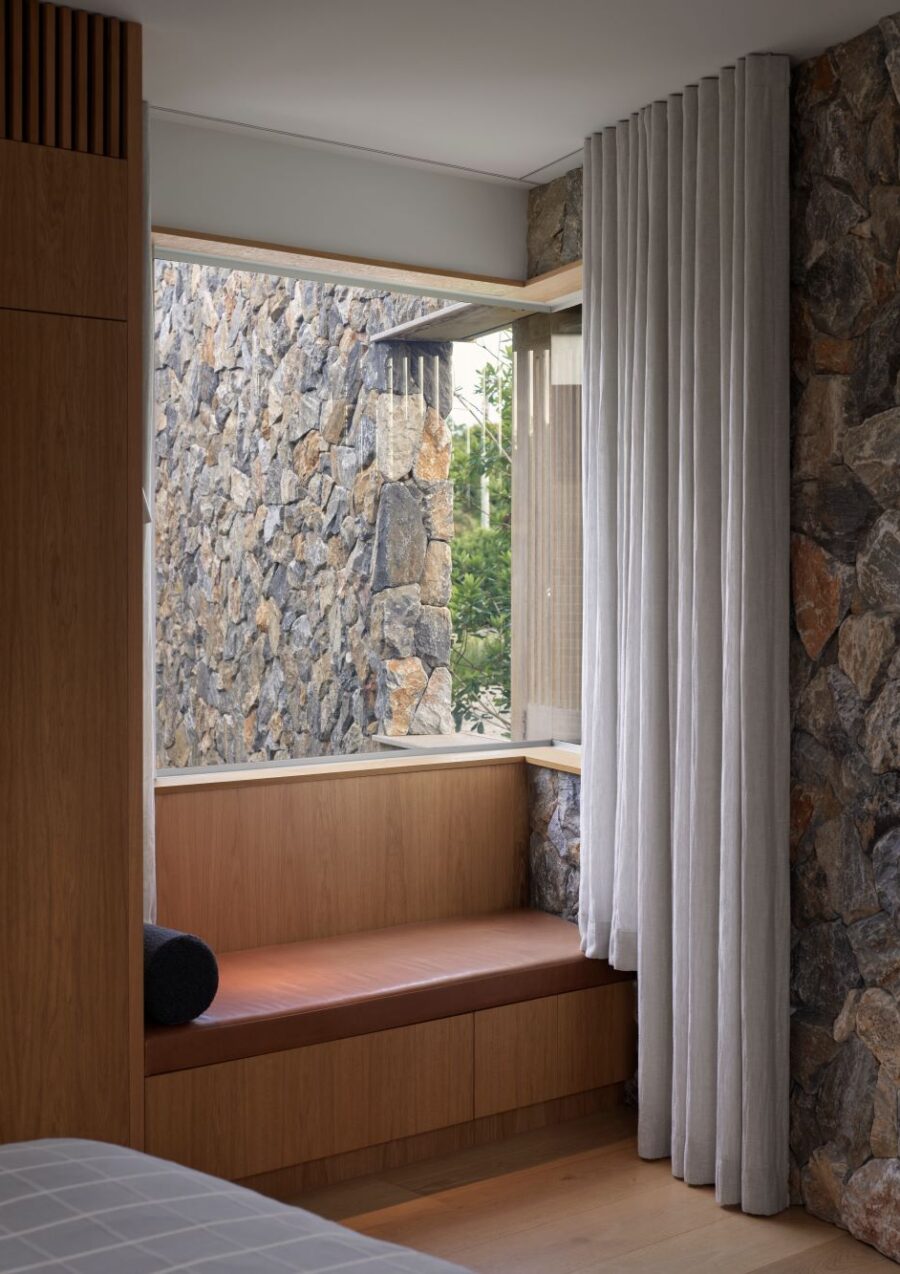
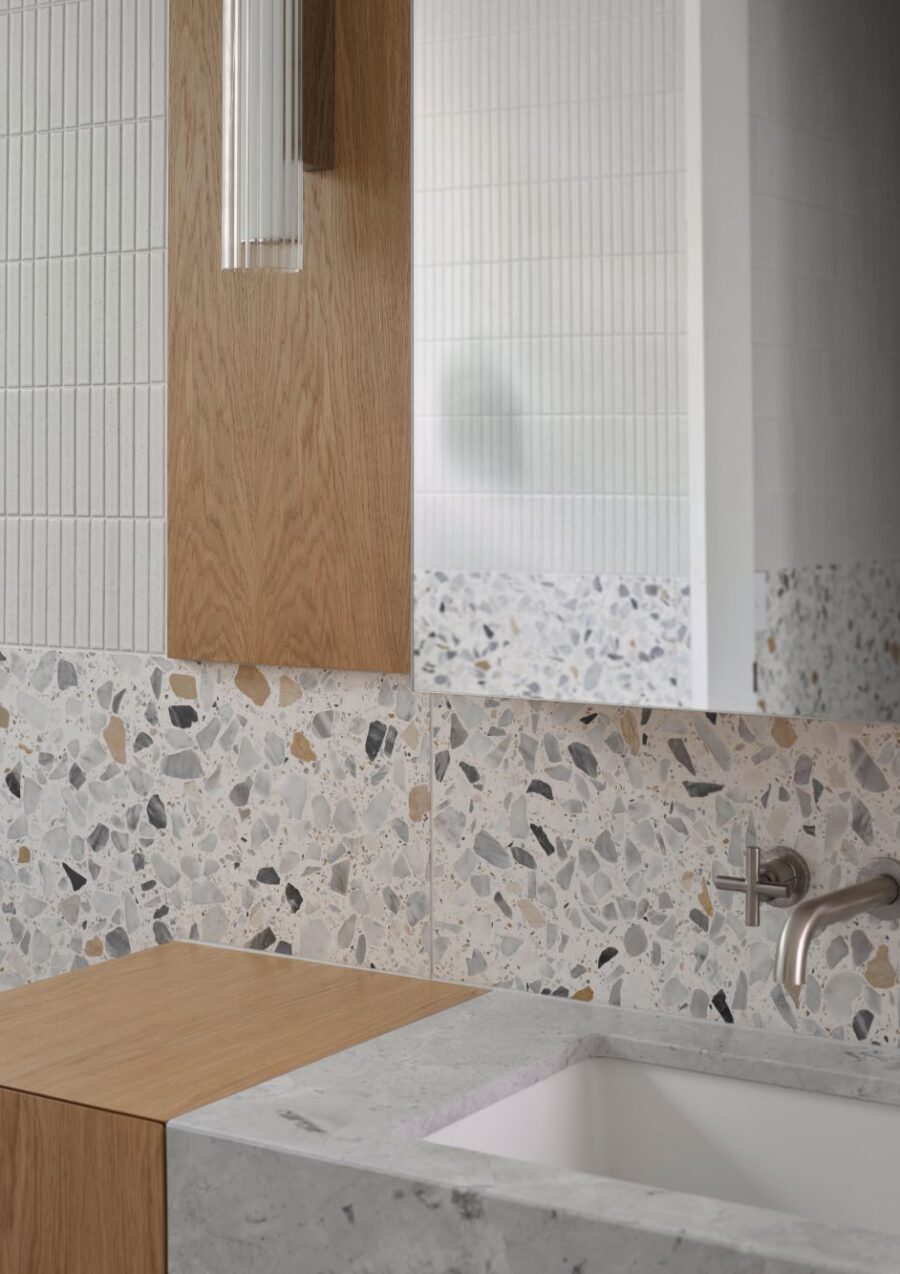
Abodo Timber, Accoya, Brick, Stone & Glass
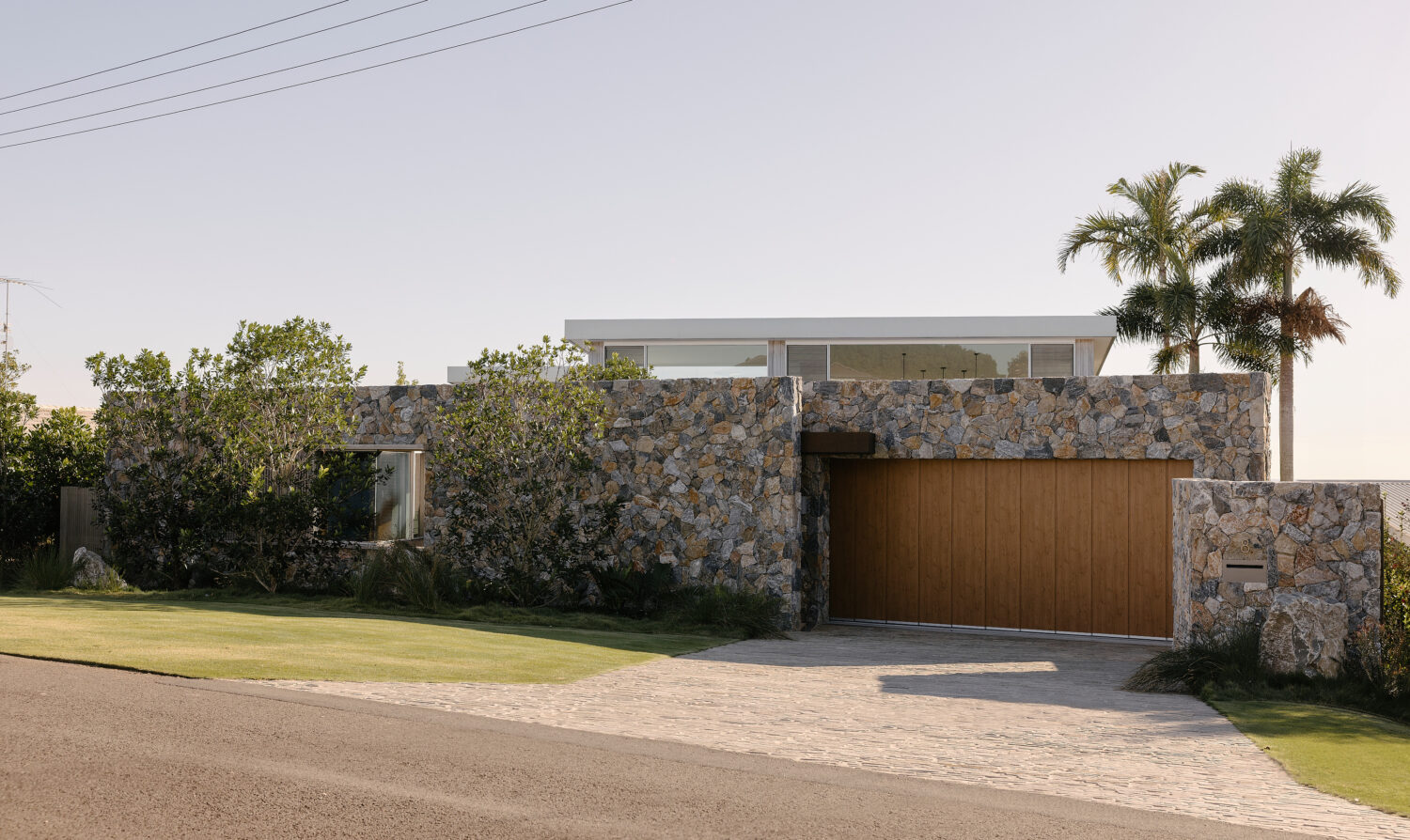
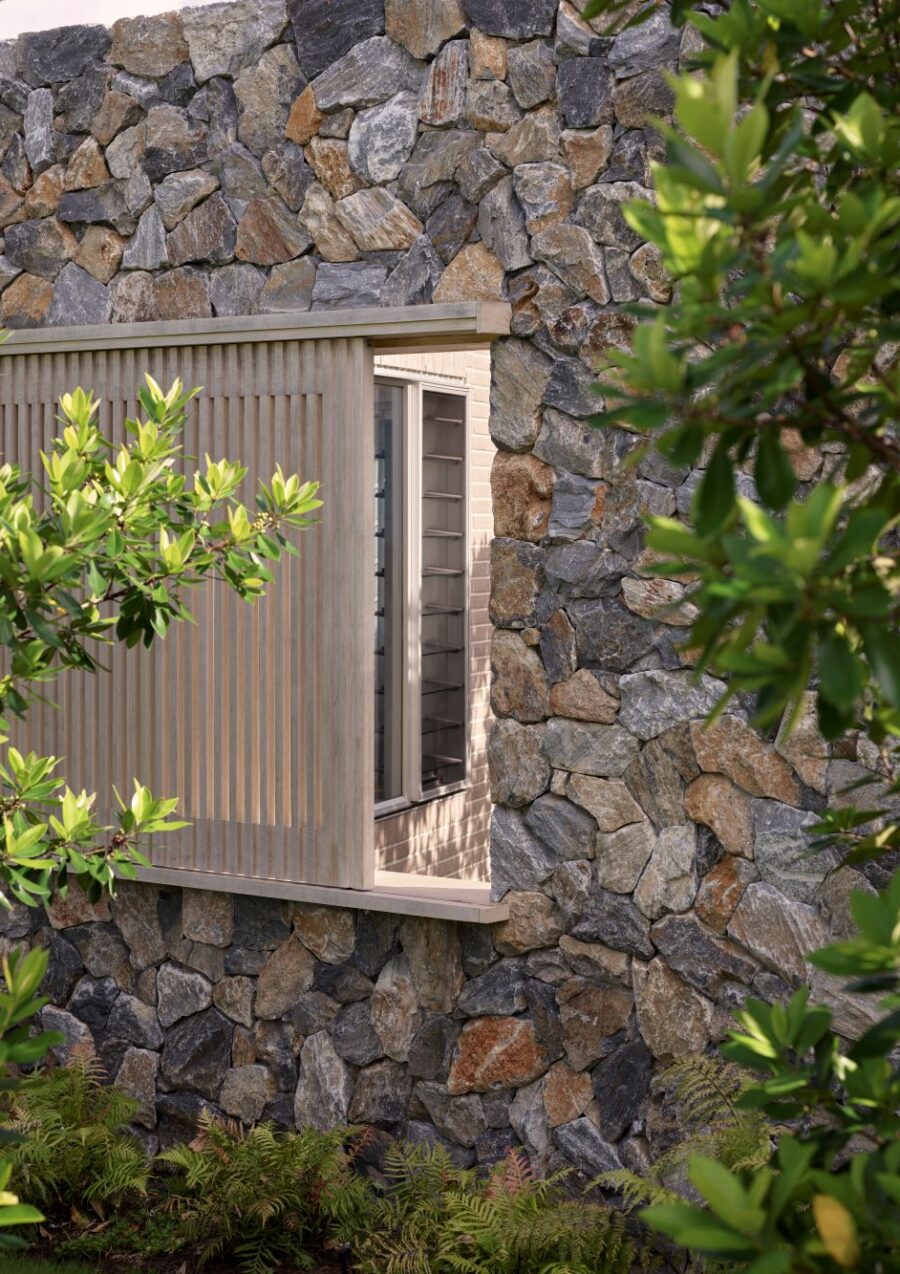

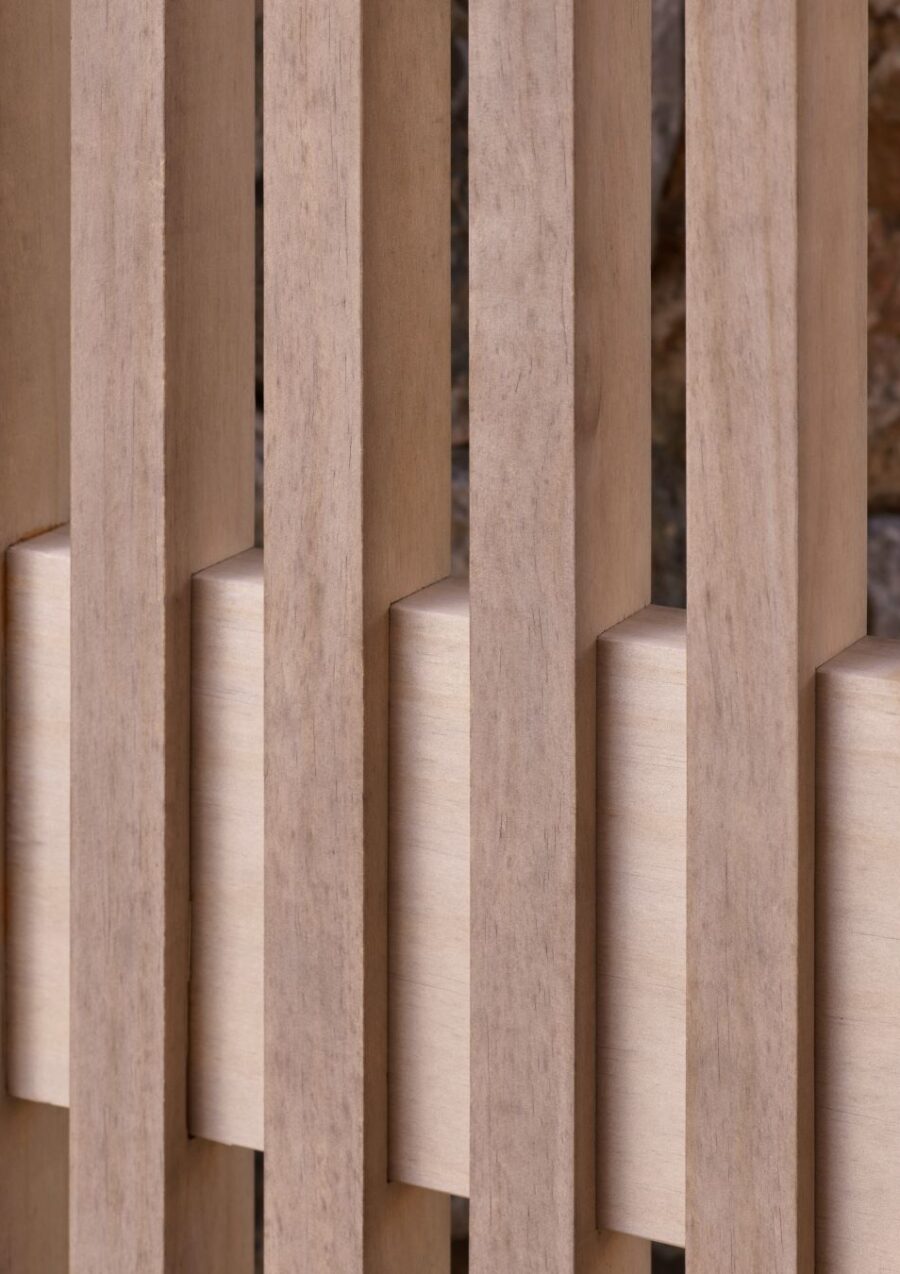
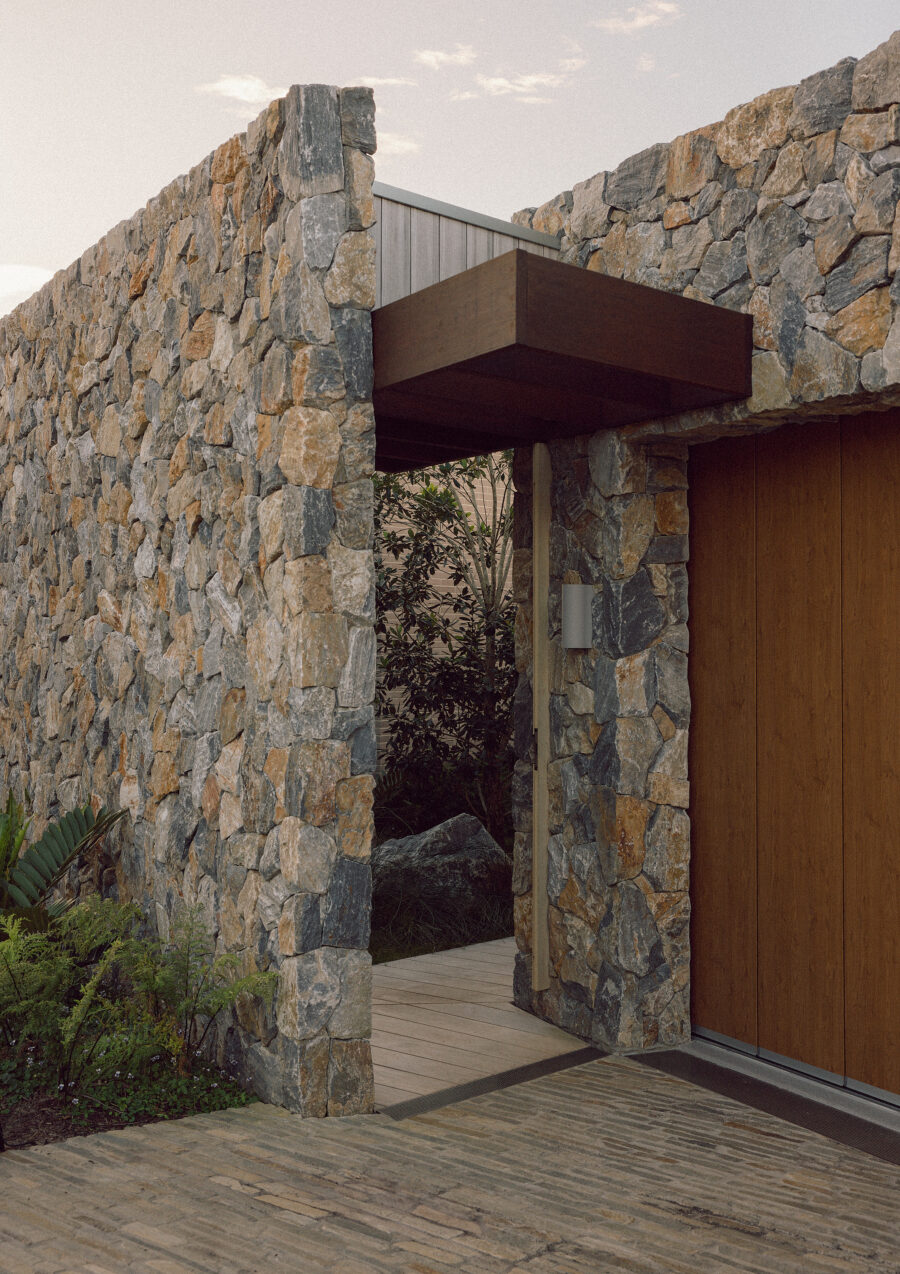
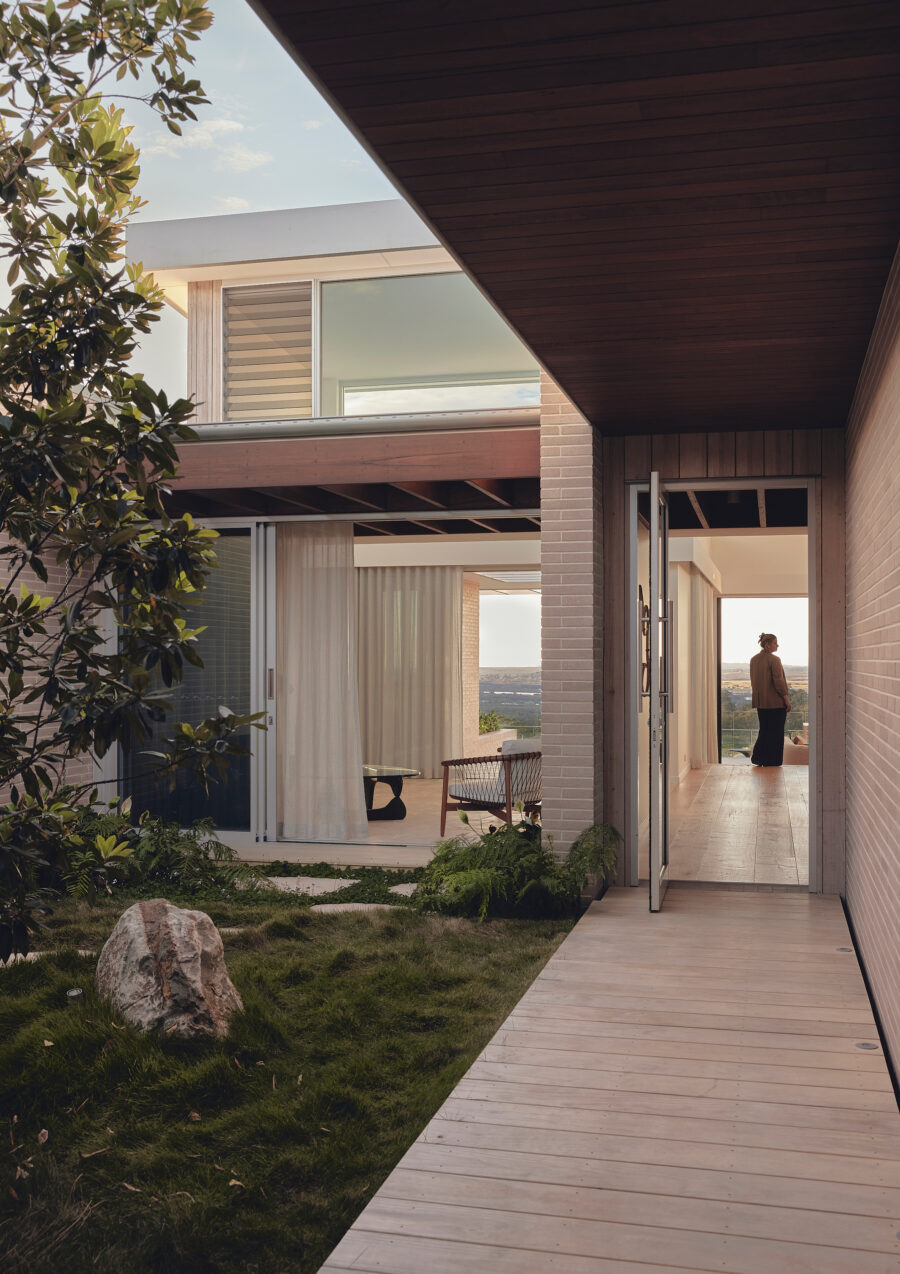
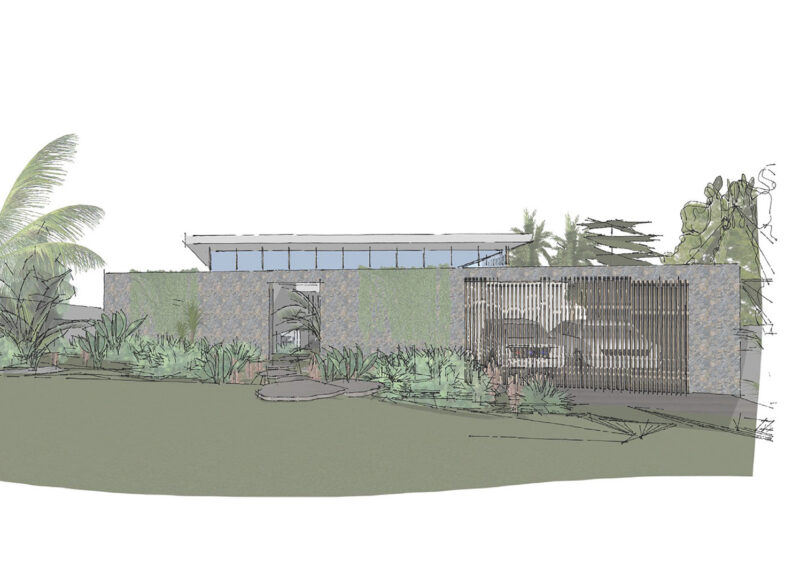
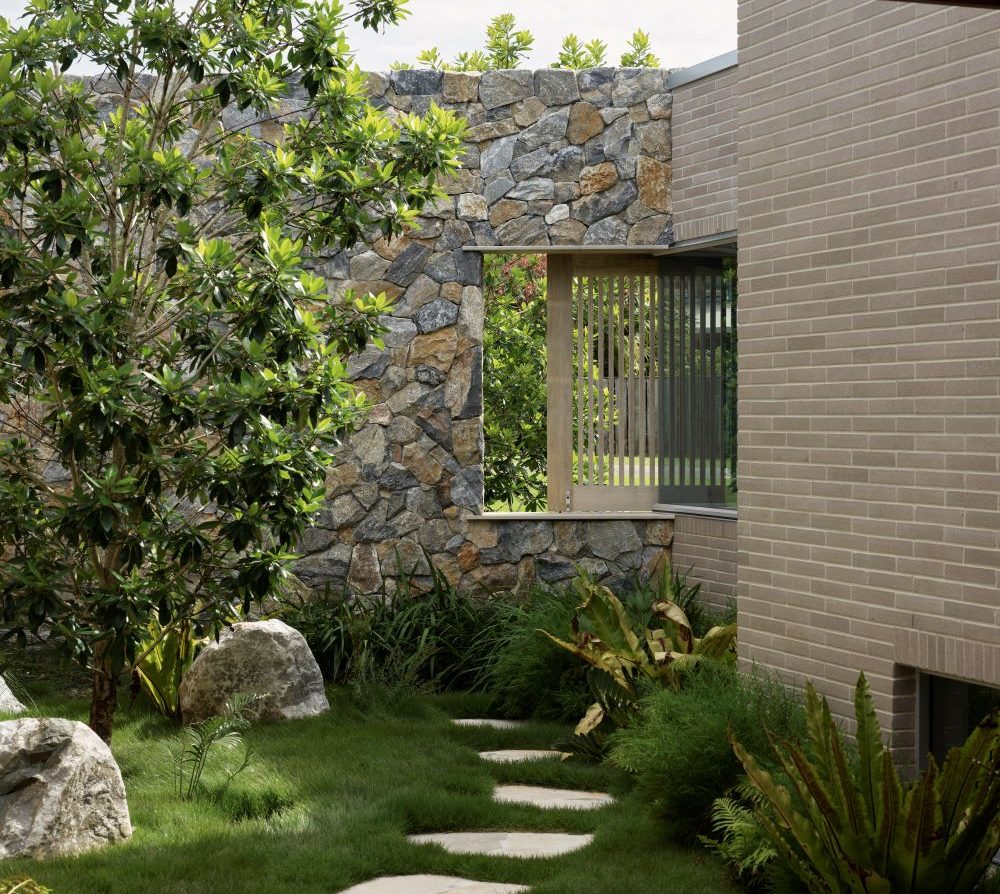
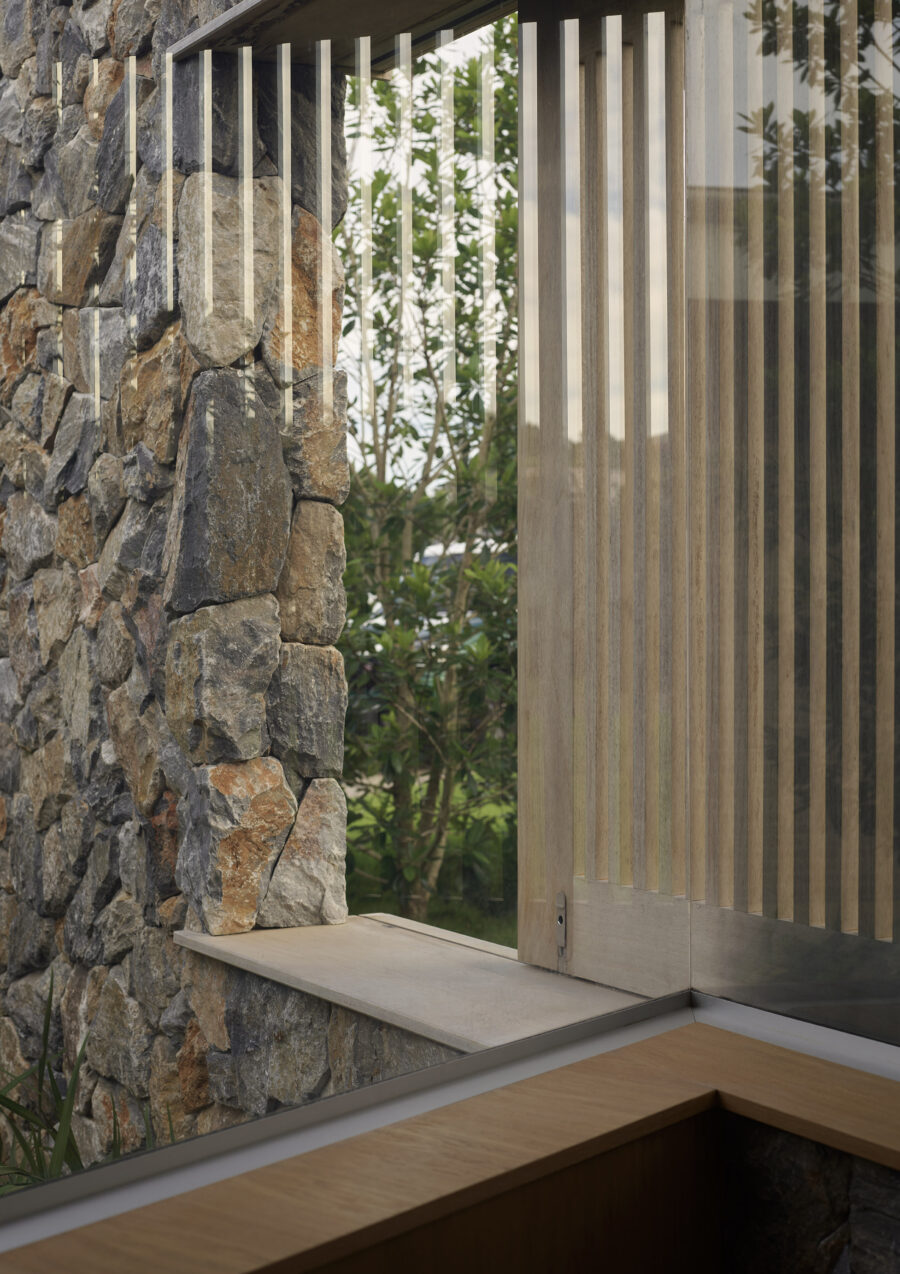
The bold stone garden wall creates a sense of intrigue to the hidden entrance courtyard, ahead of the big reveal at the top of the escarpment
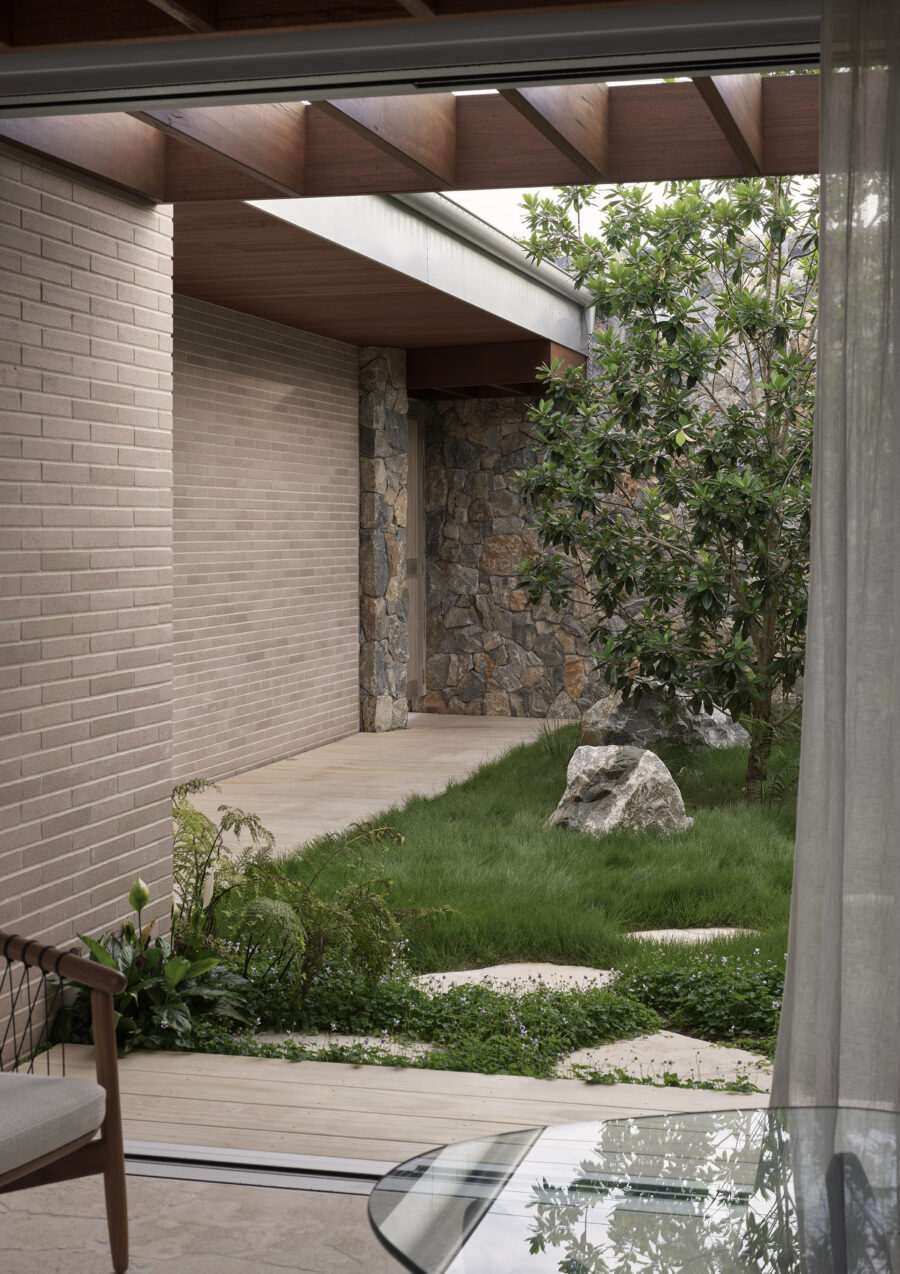
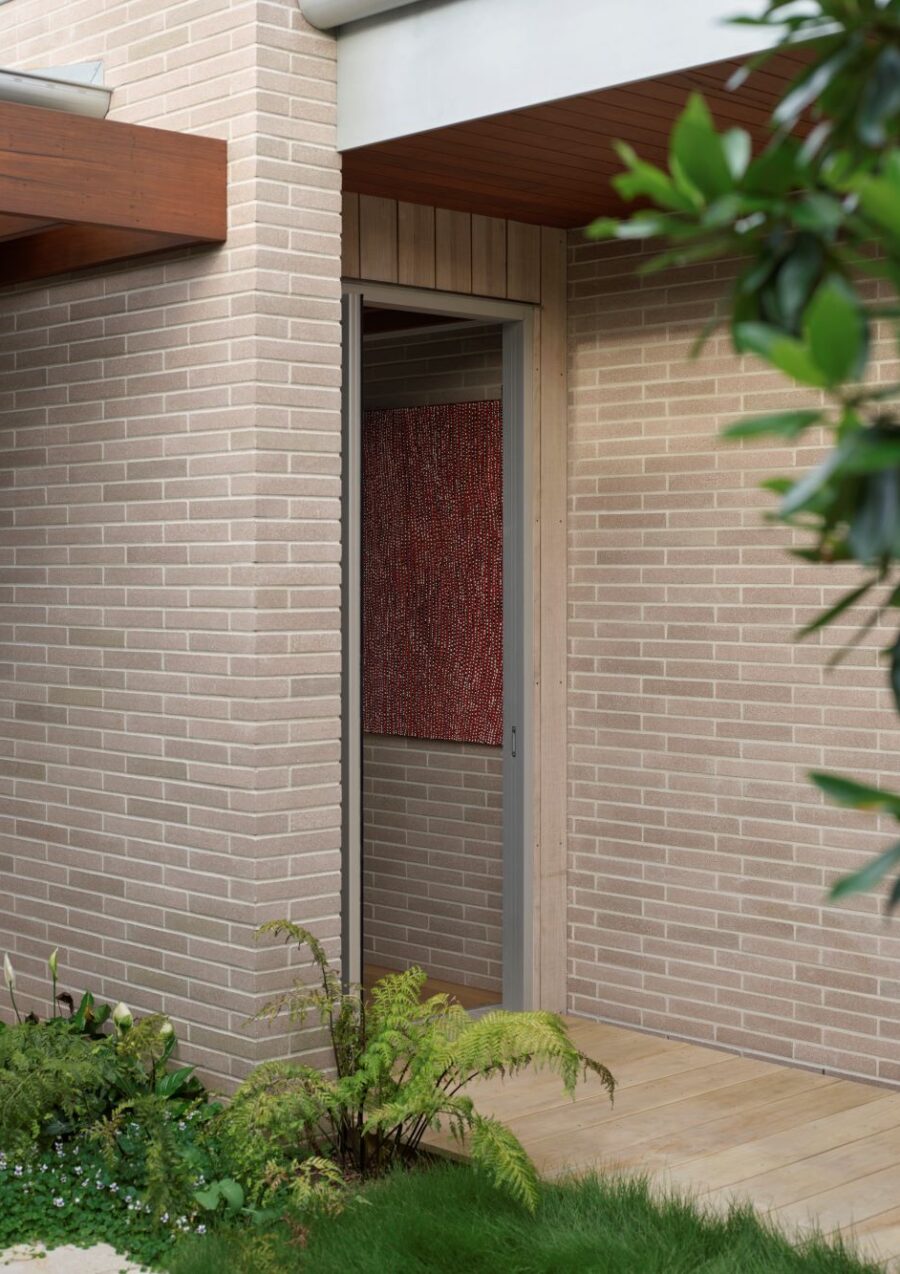

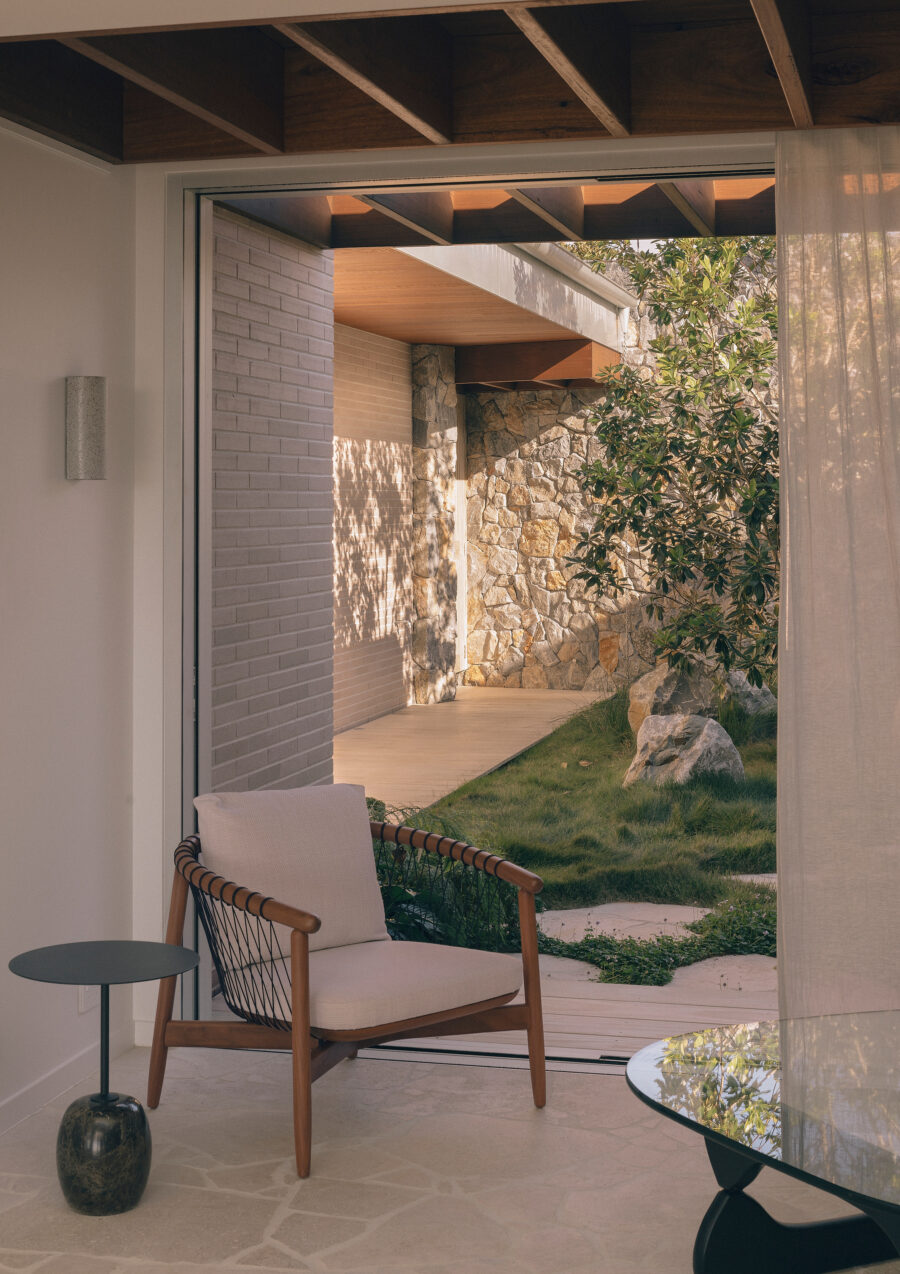

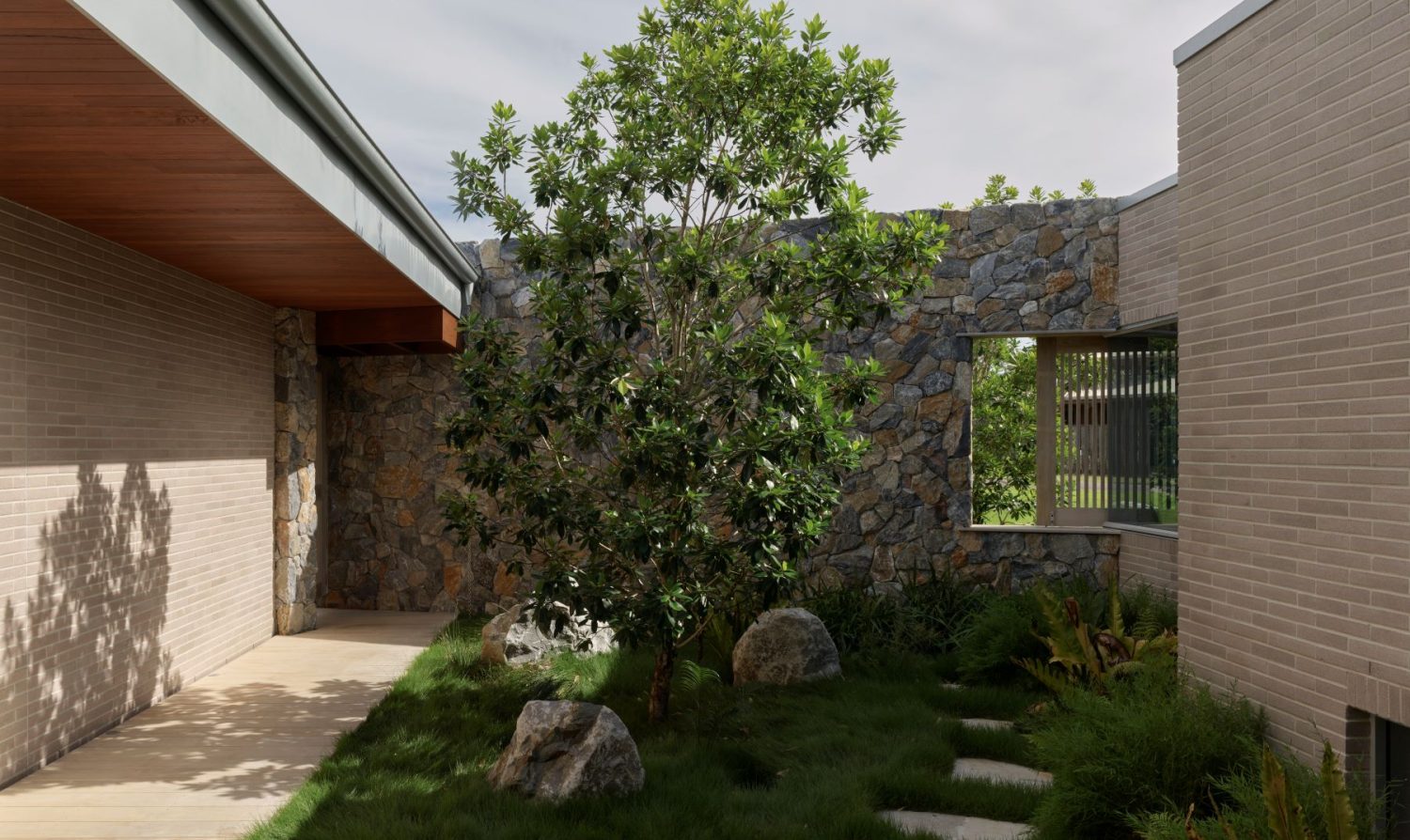
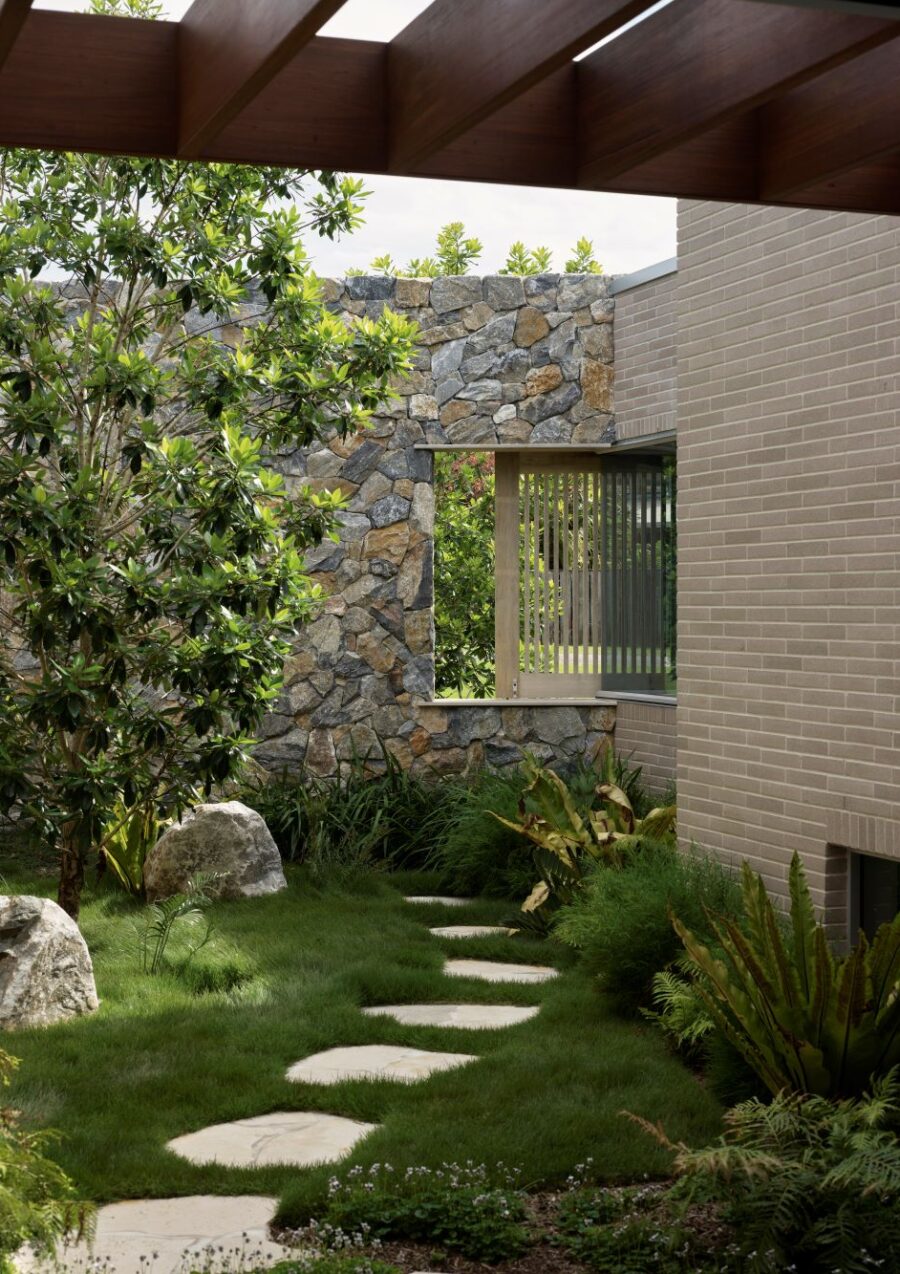
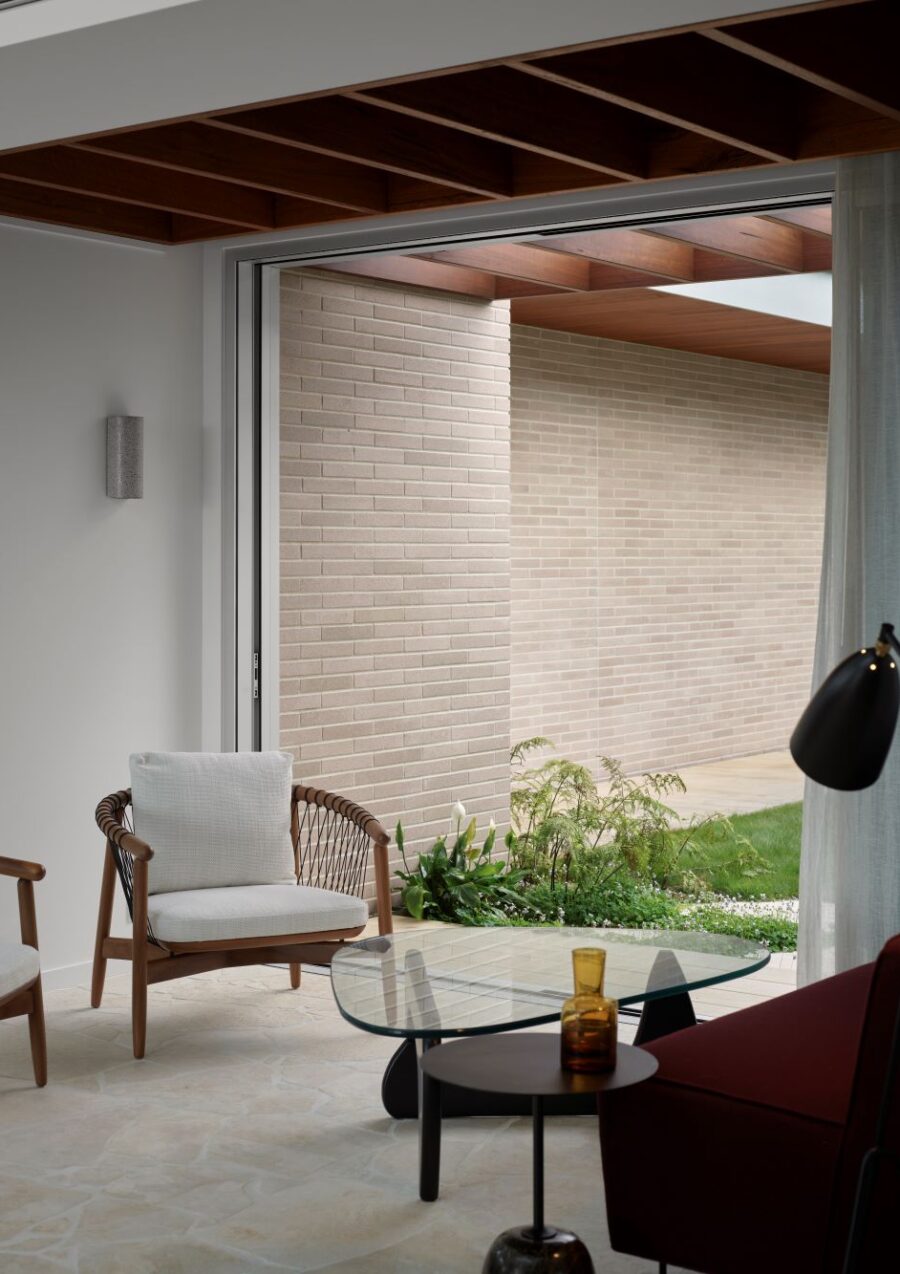
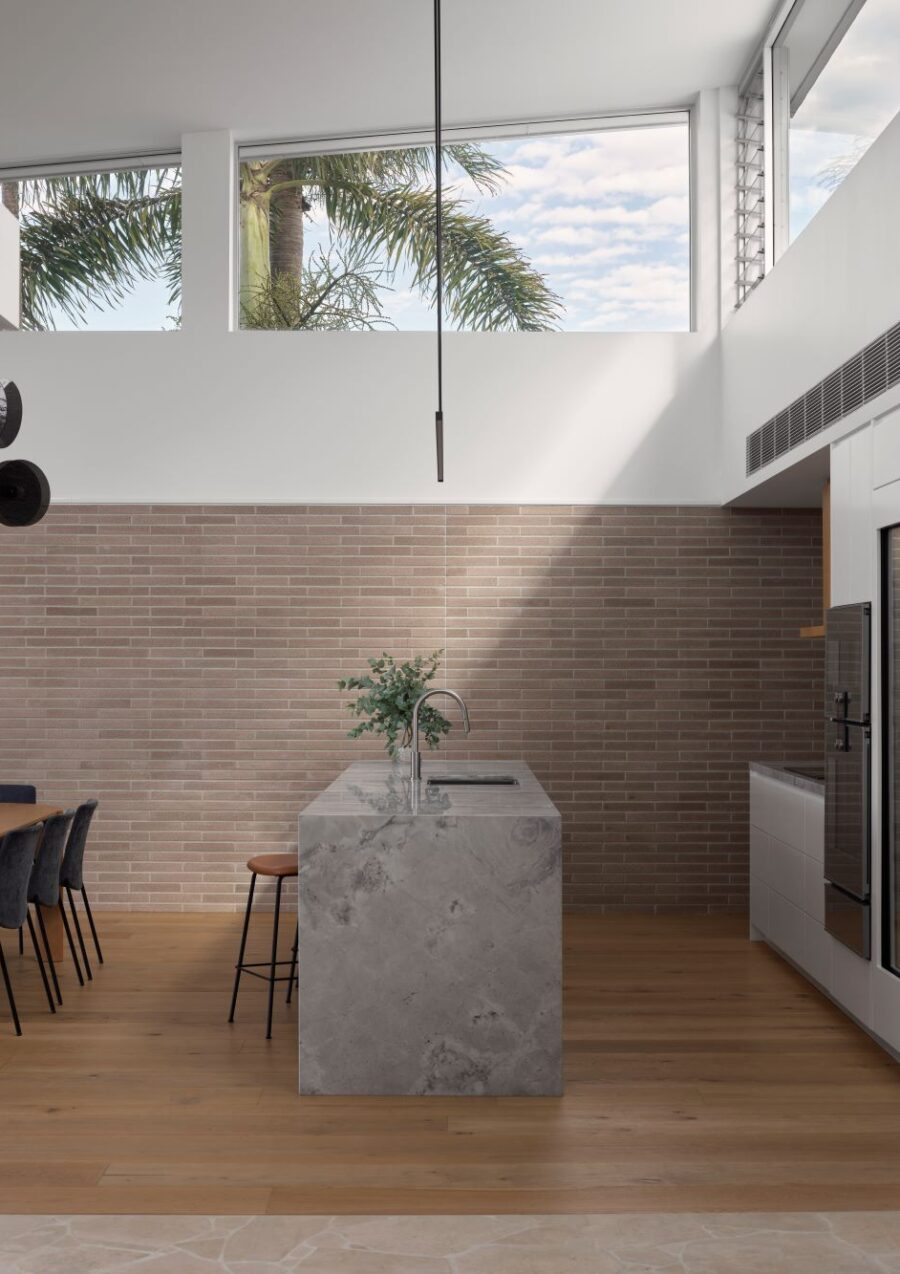
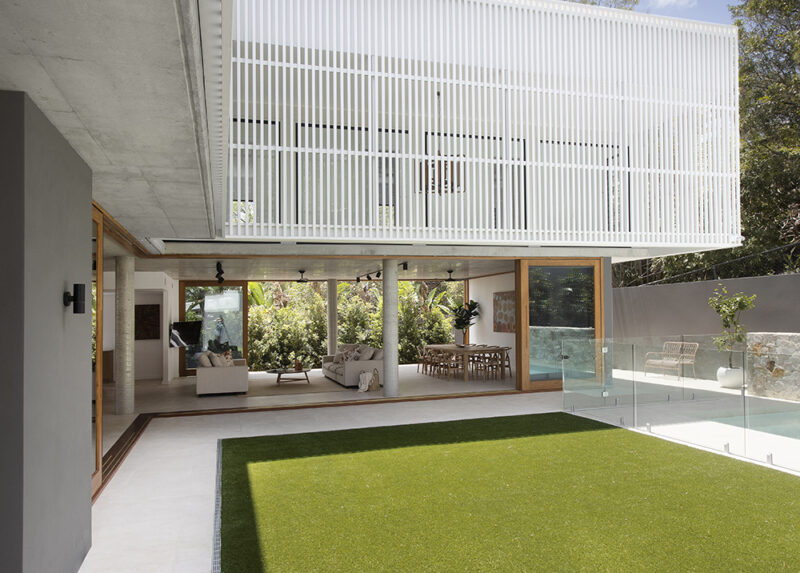
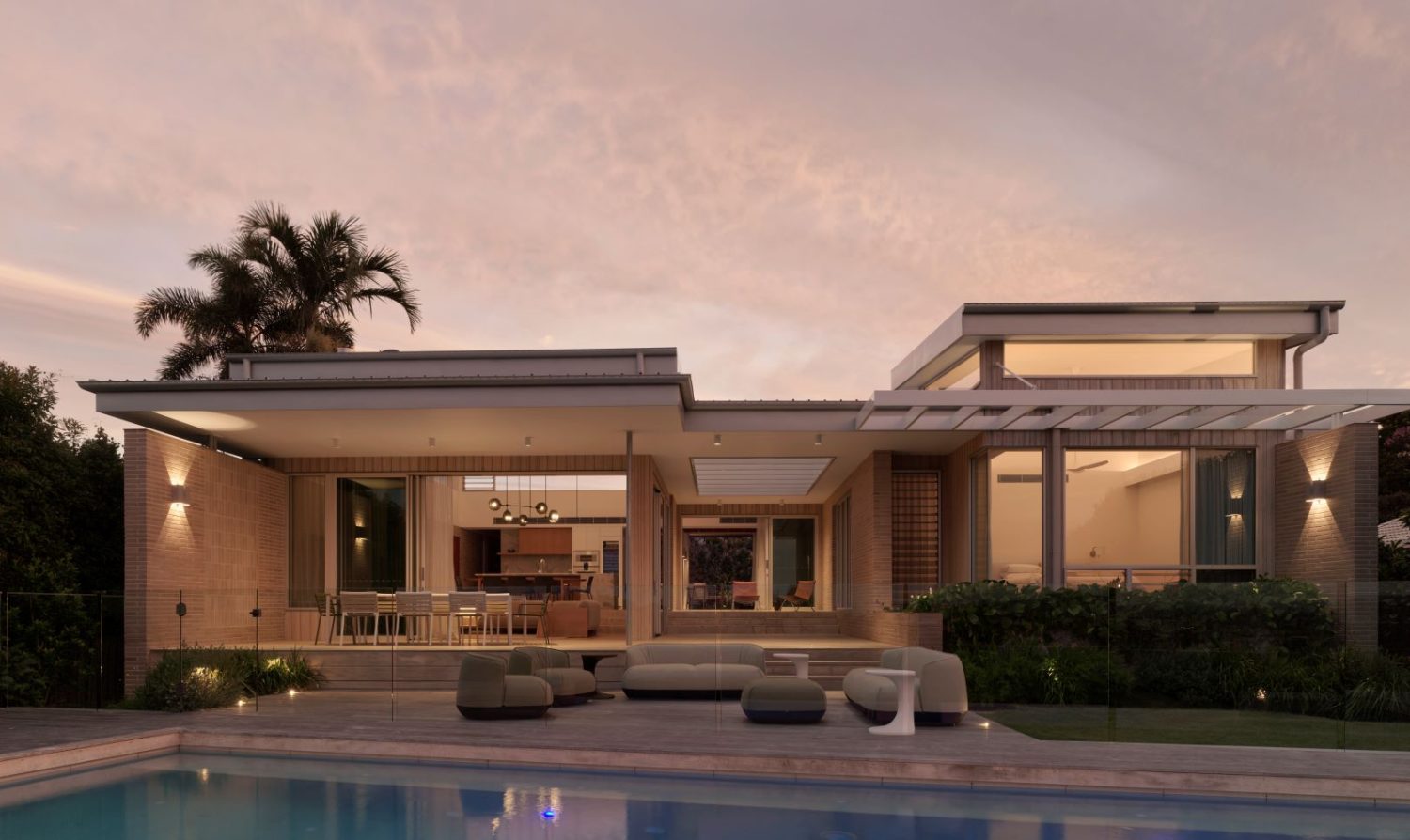
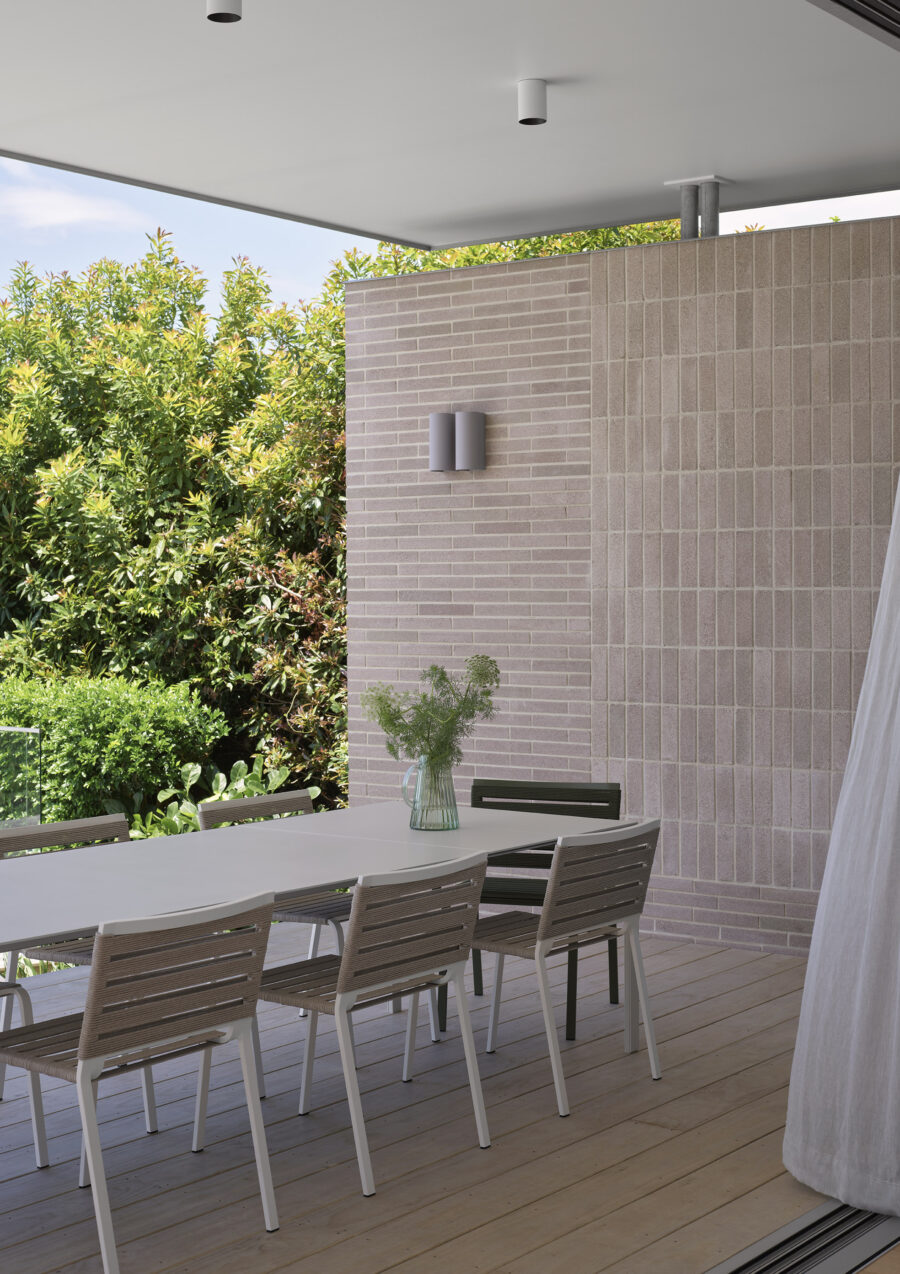
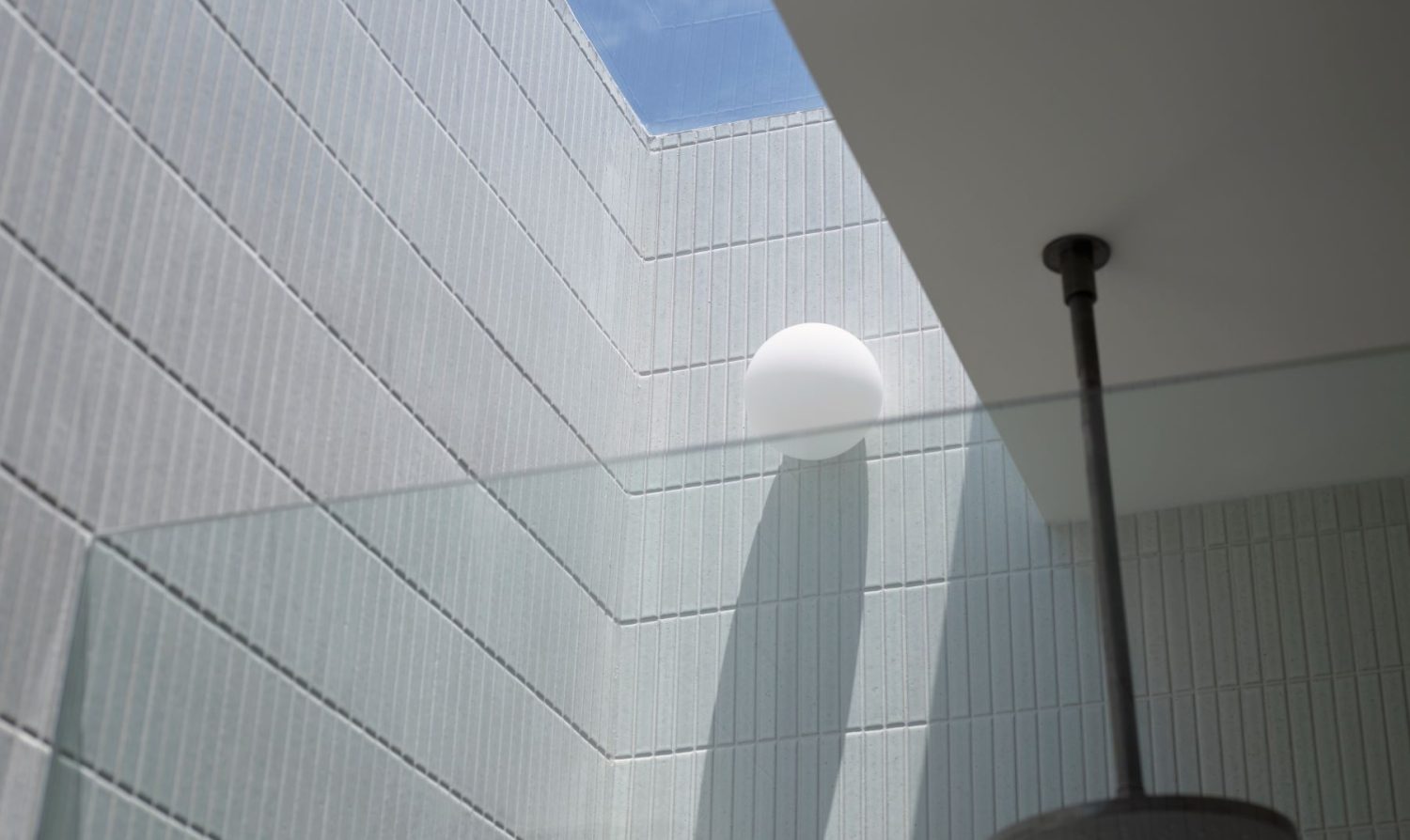
Privacy is afforded by wrapping masonry walls but never at the expense of views to sky & the expansive view from the escarpment at the rear



Exploring our Options
The clients approached the project with a long-established residence on a prominent escarpment site in Buderim, which had accommodated their family for over 30 years. While the building had become spatially constrained over time, it retained a clear architectural quality characterised by modernist simplicity, generous natural light, and expansive coastal outlooks. The house also sat comfortably within the site, maintaining a low and unobtrusive presence in relation to the street. These existing qualities formed the foundation for the design approach, with a focus on retaining and amplifying the strengths of the original structure while addressing the functional requirements of a growing family. Initial design investigations considered a range of scenarios, including single and double-storey extensions as well as partial retention strategies and complete replacement options, establishing a clear framework for evaluating the relationship between existing fabric and new intervention.
Simple & Bold
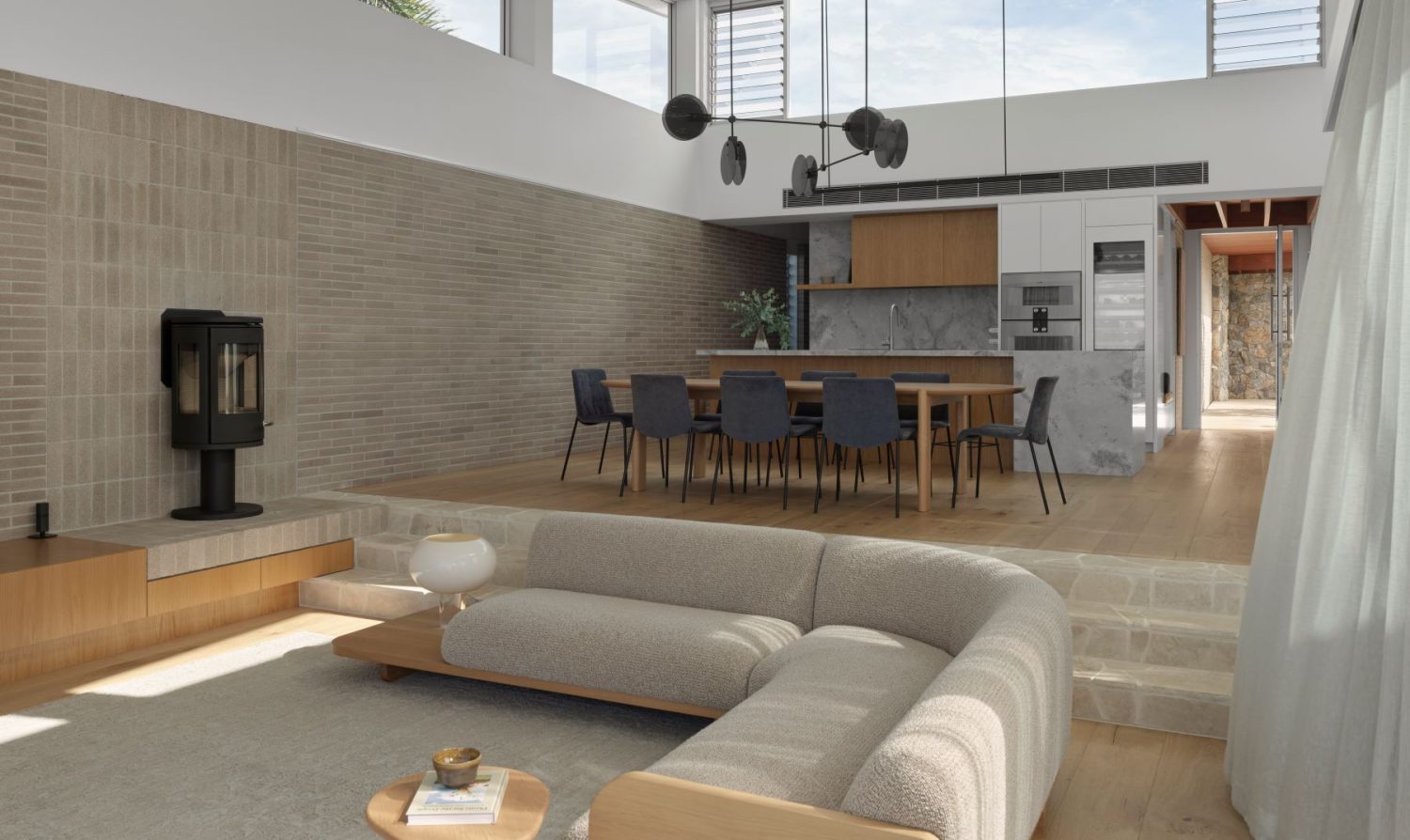
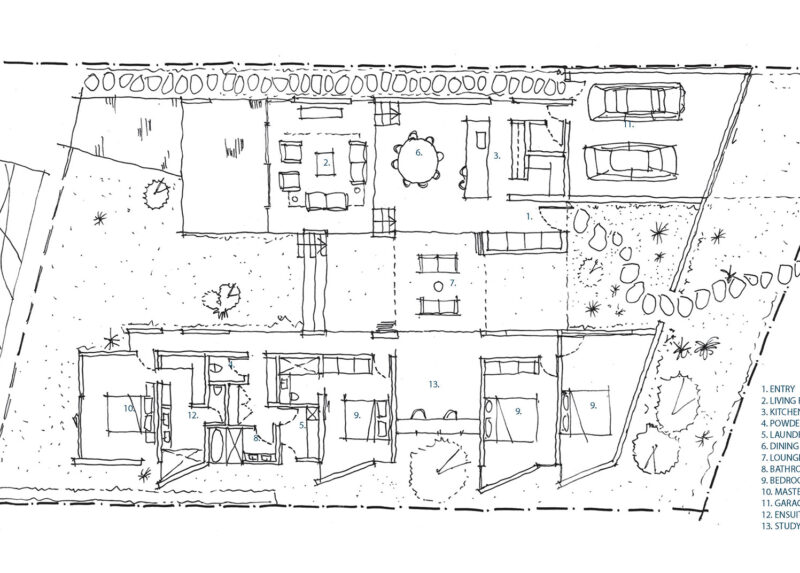
The selected approach was a single-storey courtyard house, organised as a low, modernist response to the site and street context. The building is deliberately restrained from the street, where a solid stone wall defines the site edge and establishes a clear threshold condition. A single, carefully proportioned opening mediates entry into a contained courtyard, with the roof form subtly visible beyond the wall line, signalling the spatial depth of the house without fully revealing it. The internal arrangement is structured as a controlled sequence of spaces, designed to unfold gradually from entry to living areas, with the courtyard acting as the central organising element of the plan. Rather than immediate openness, the house is composed around a deliberate progression of compression and release, allowing the landscape, light and views to be experienced incrementally as one moves through the building.