Lae House
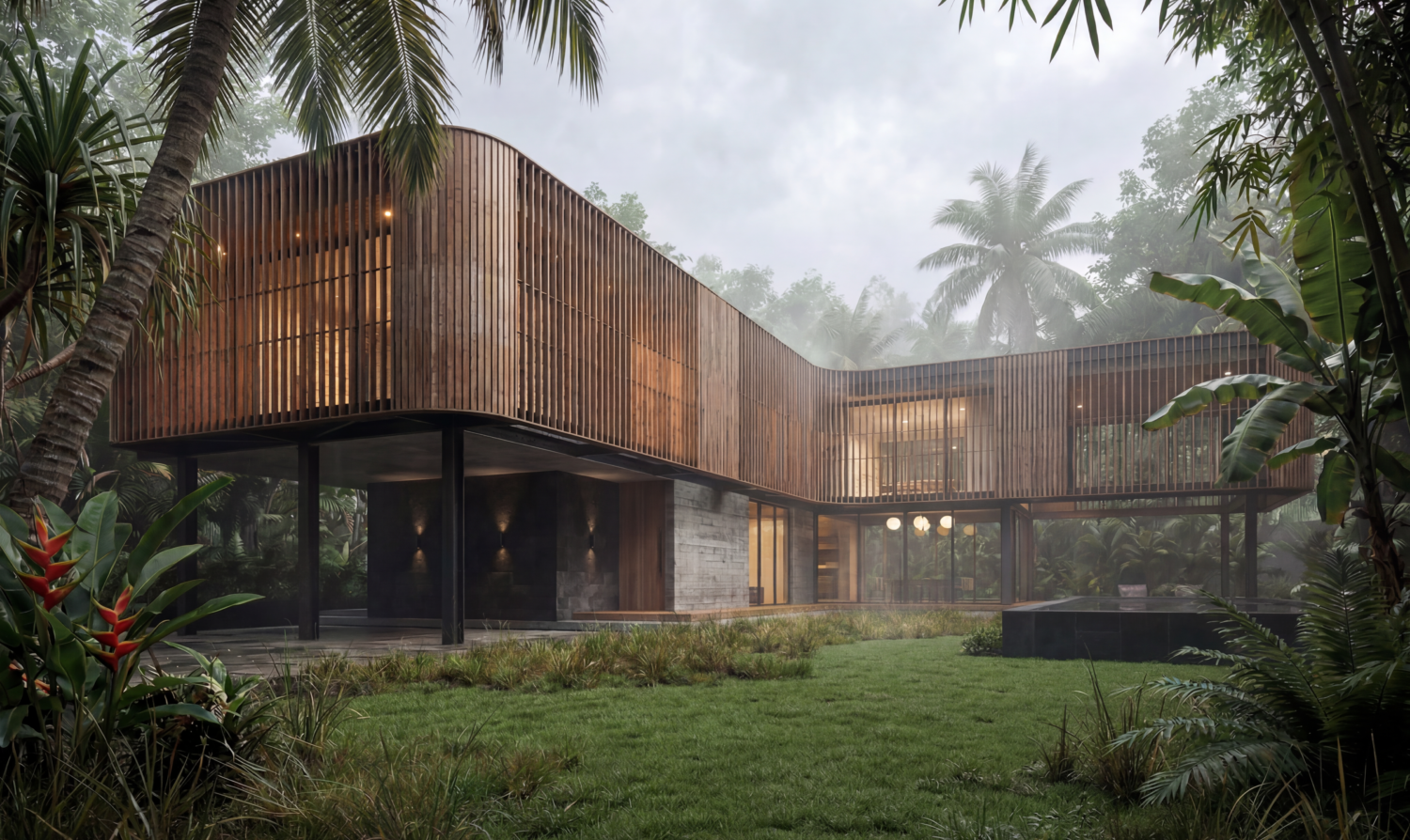
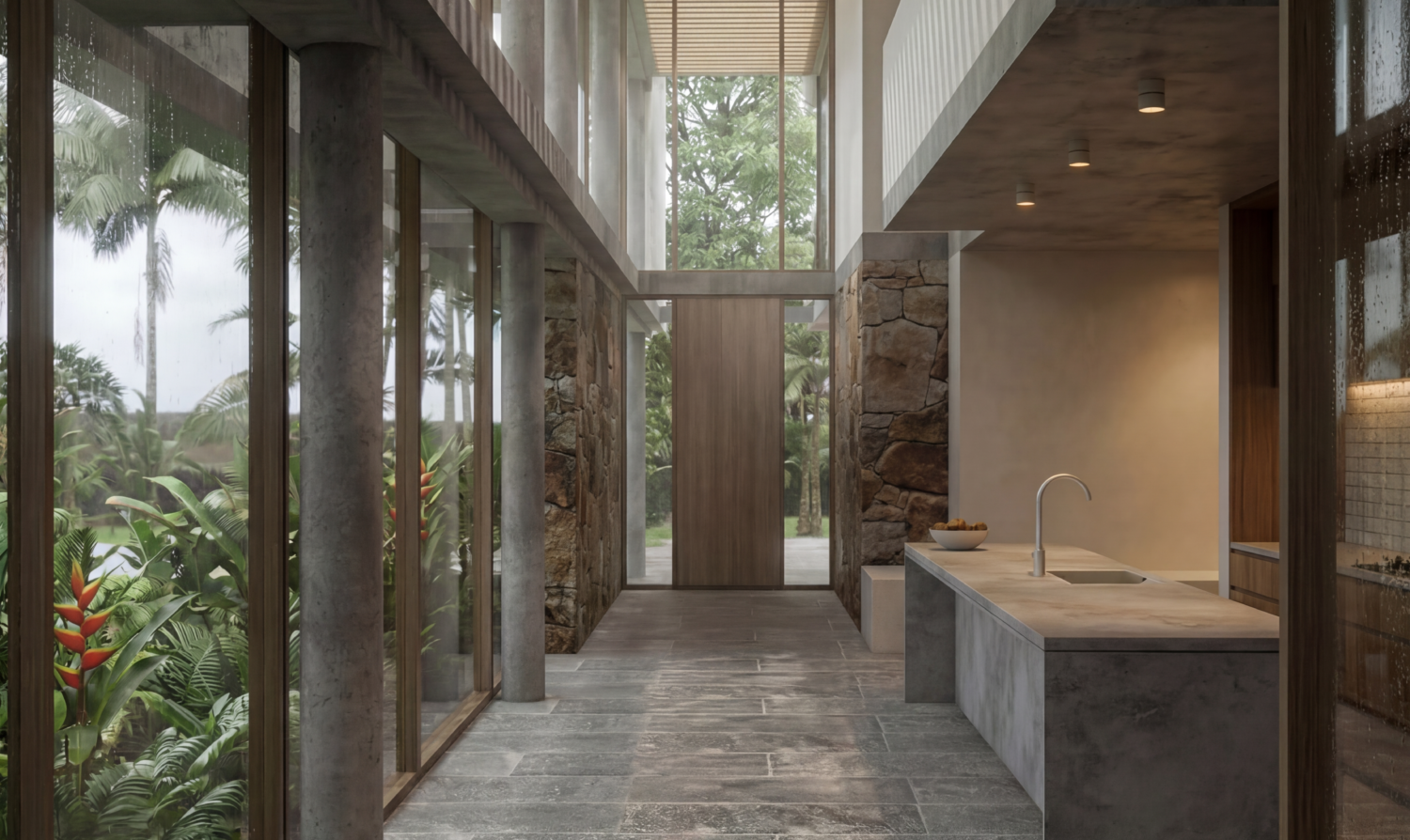
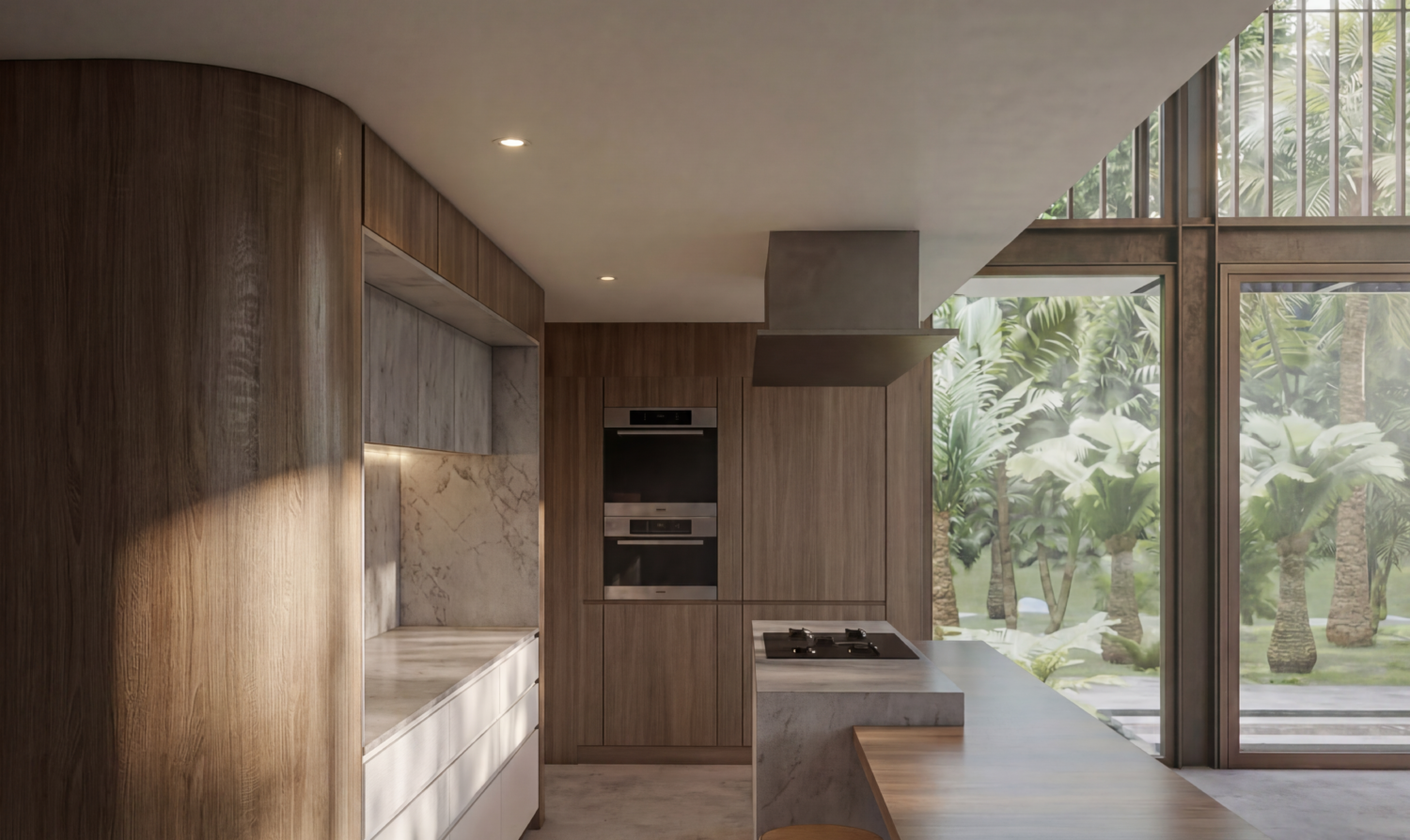
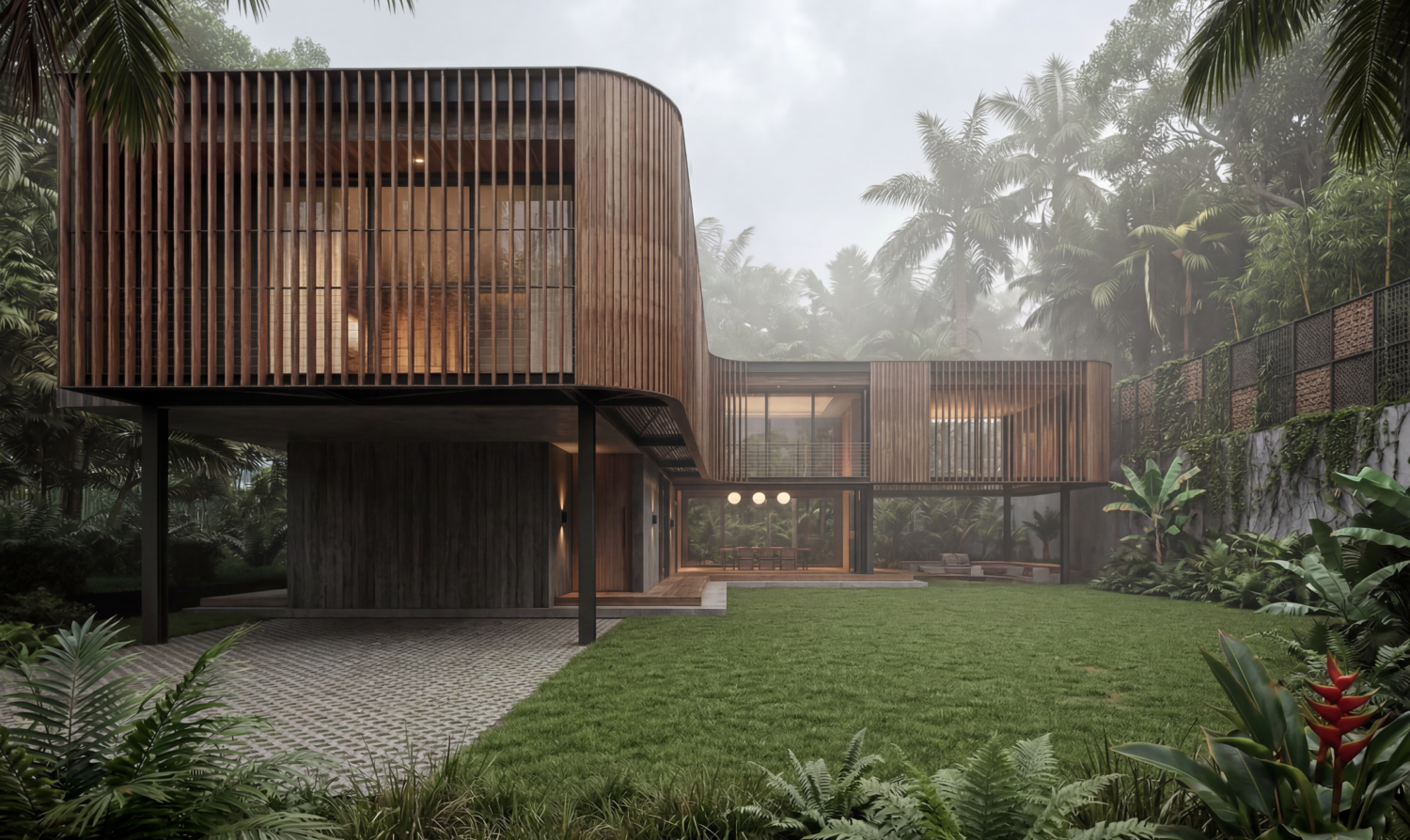
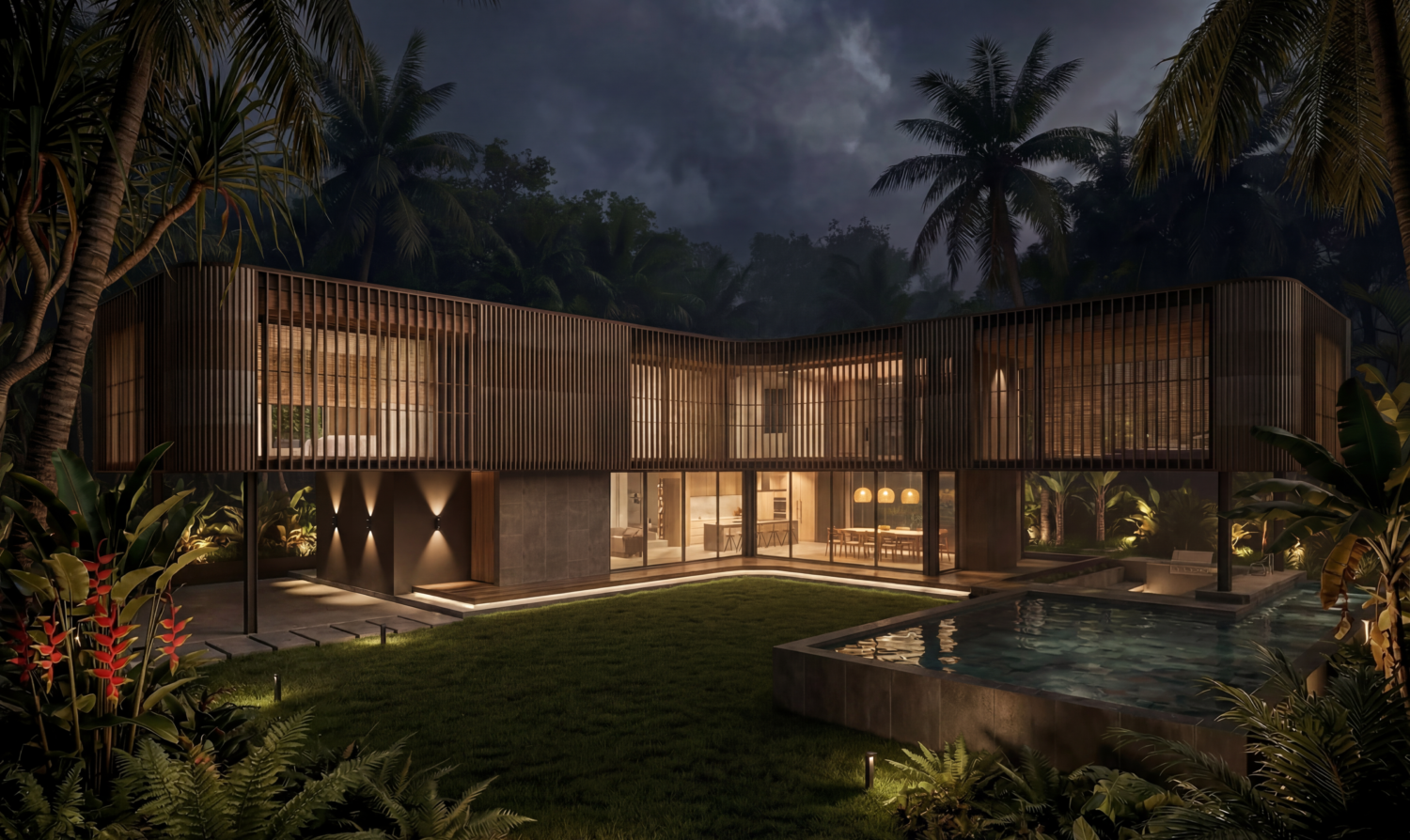
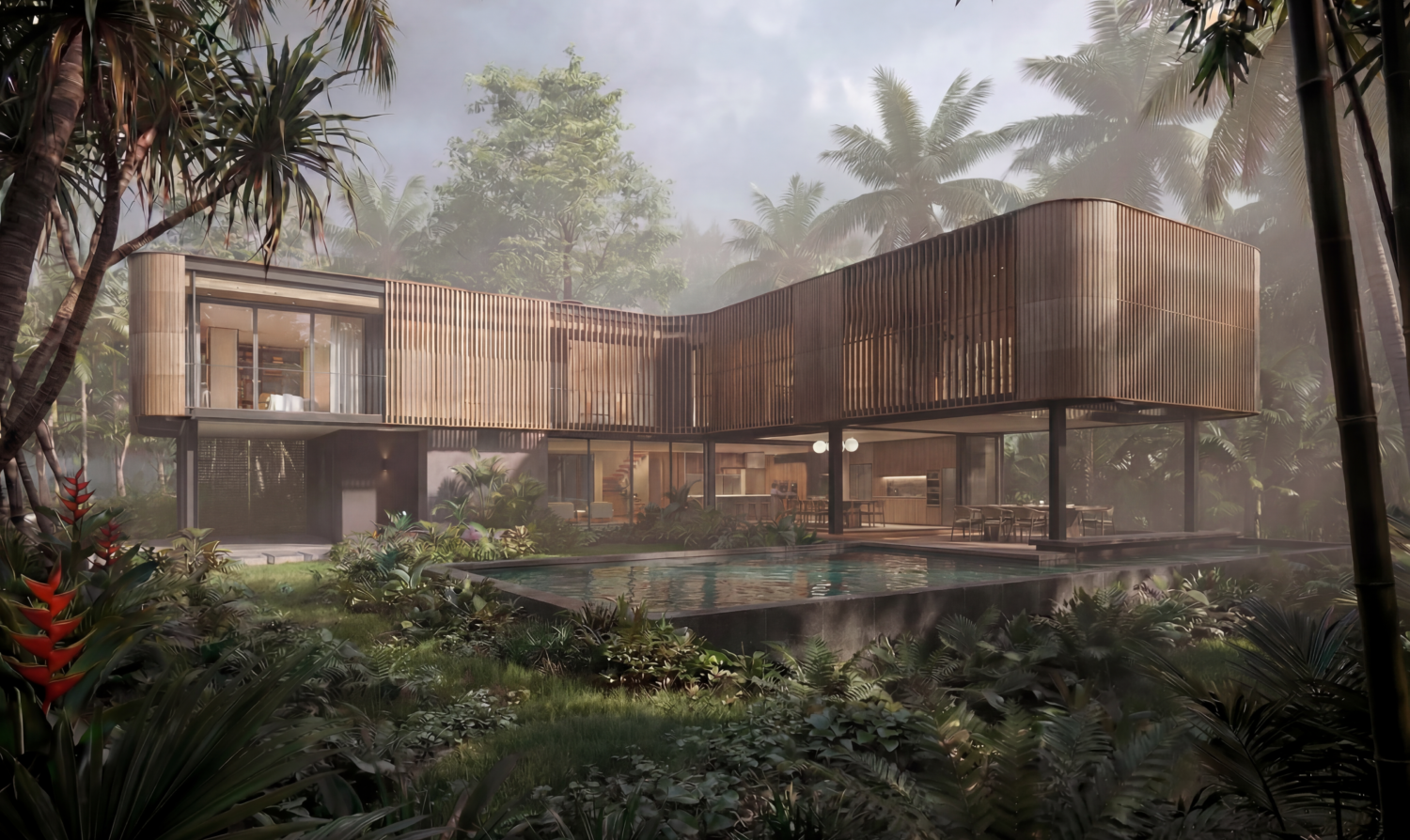
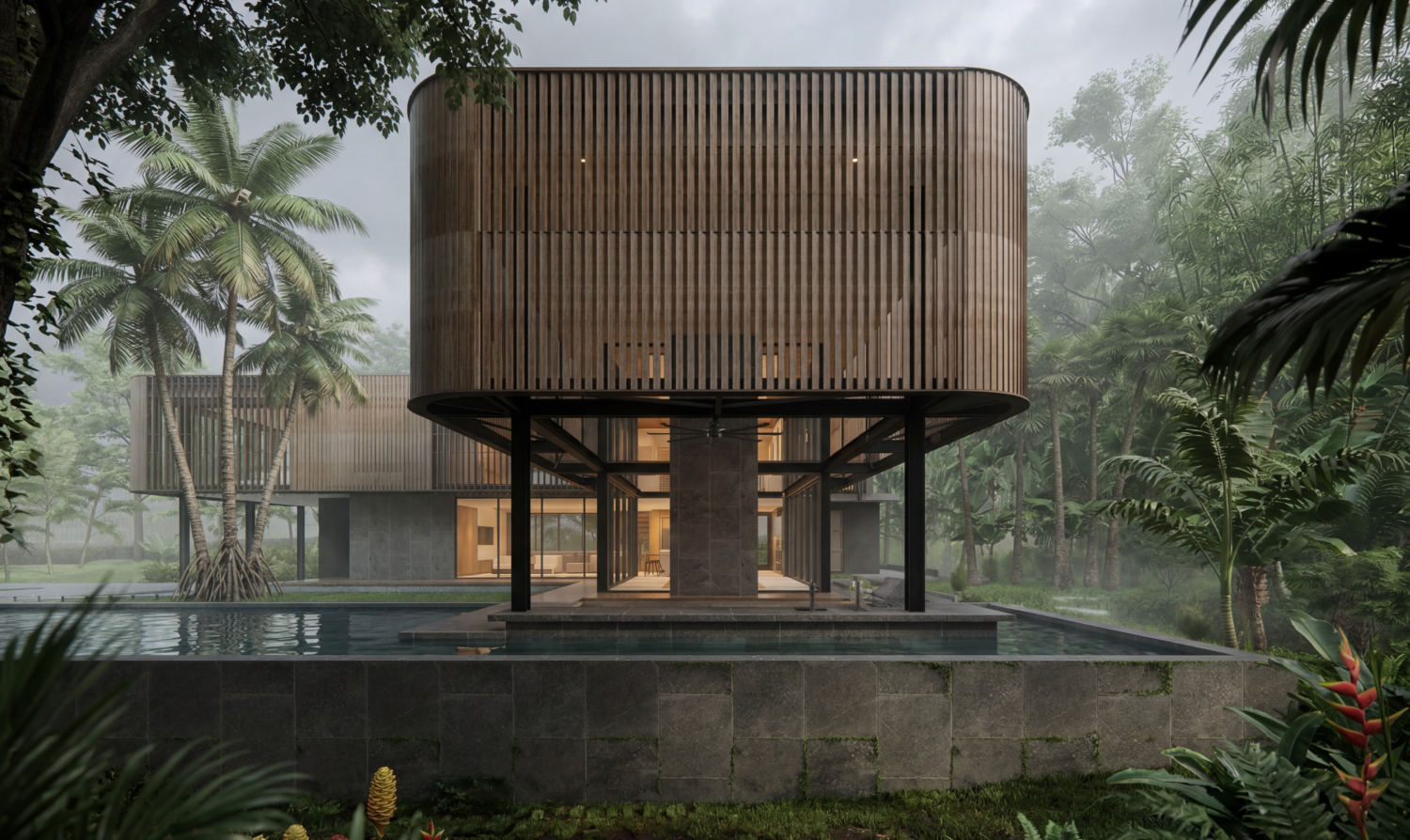
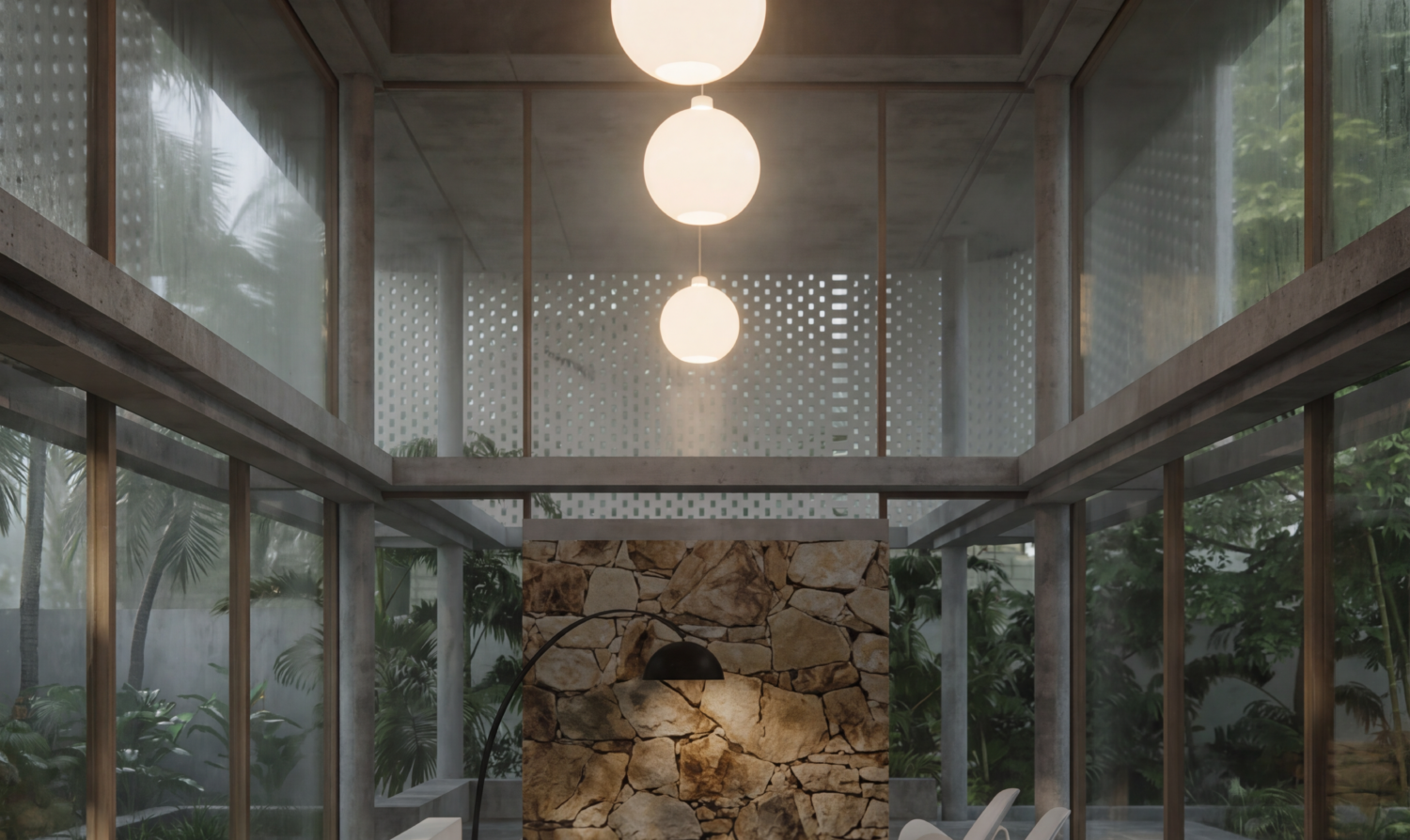
Lae House is a tropical family home located in the second city of Papua New Guinea. The residence sits within a tropical coastal environment defined by high humidity, heavy rainfall and strong seasonal variation & seismic activity. The design responds directly to these conditions, using climate as the primary driver of form, layout and material selection.
Rather than resisting the environment, the architecture works with it. The design prioritises ventilation, shading, elevation and durability to create a home that performs naturally in a demanding tropical climate. Every aspect of the building is shaped by the need for comfort, airflow and long-term resilience.
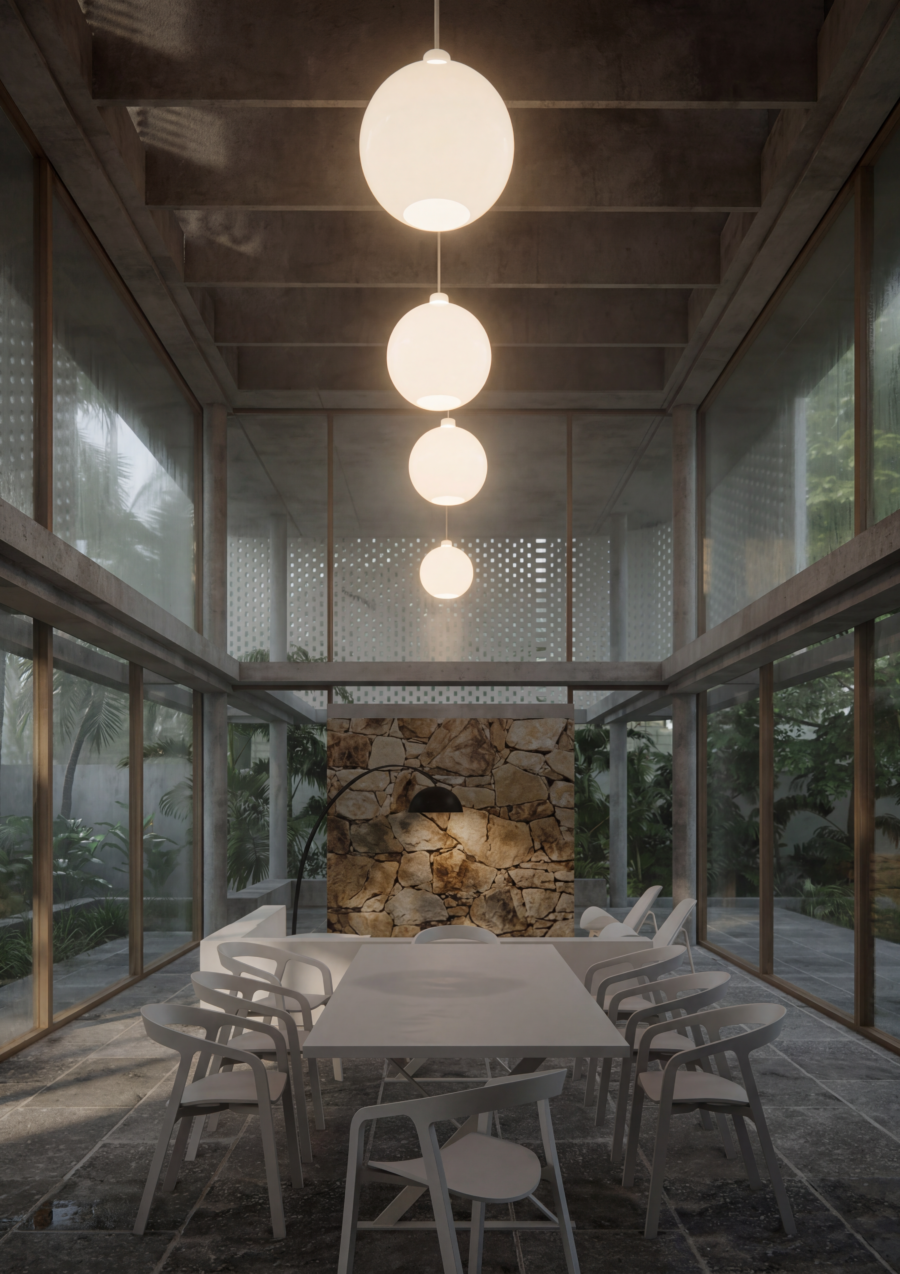
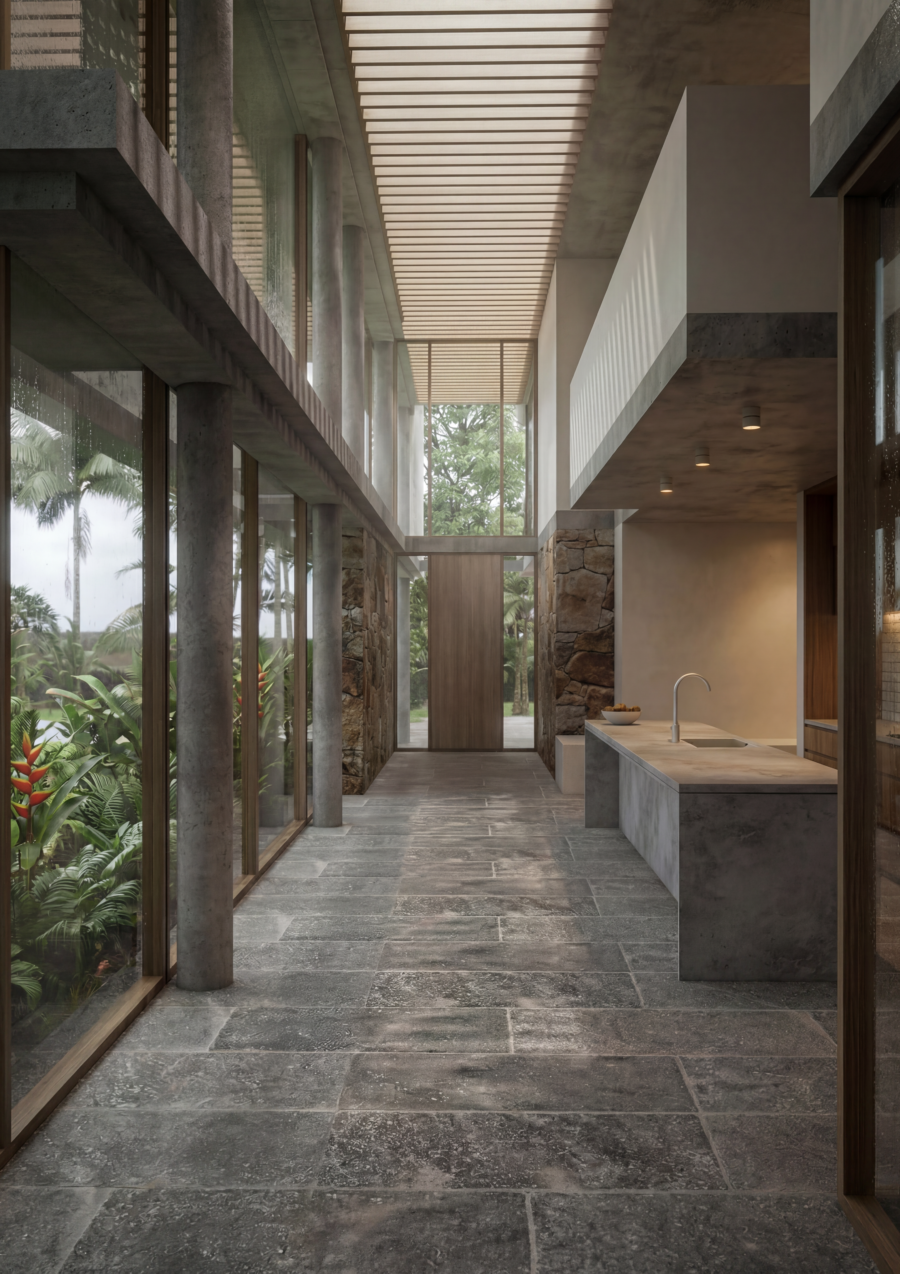
The spatial organisation encourages continuous movement of air throughout the home. Large openings, cross ventilation paths and permeable edges allow the building to breathe. This passive cooling strategy reduces heat build-up and improves comfort without relying heavily on mechanical systems.
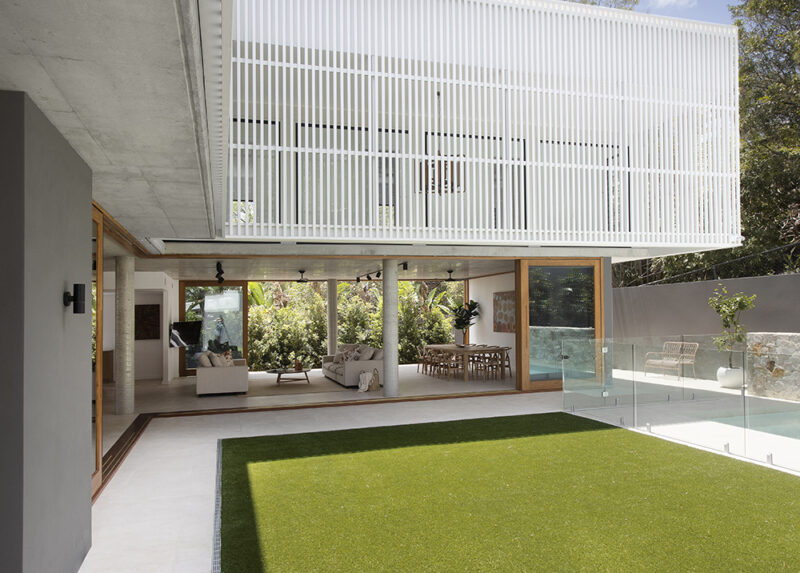
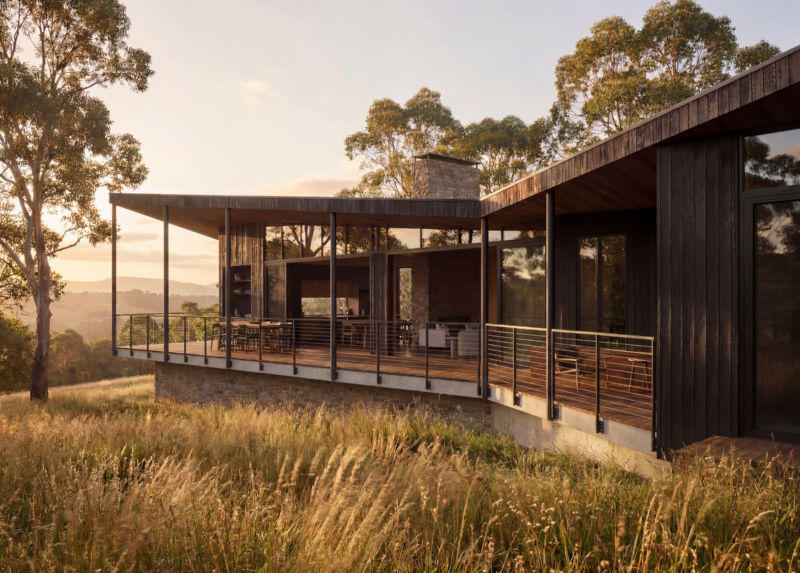
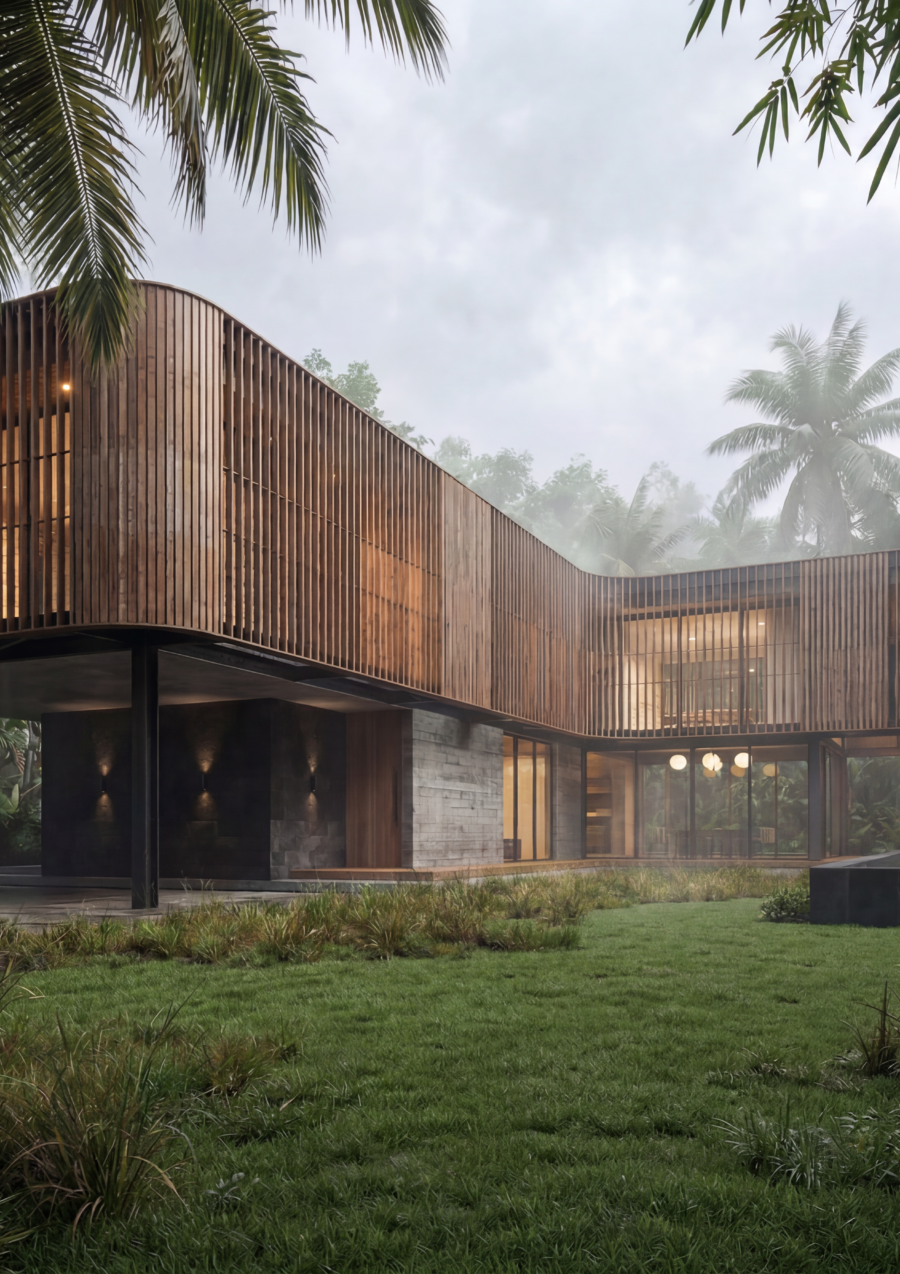
Deep roof overhangs play a key role in shaping the architecture. They provide shade, protect openings from heavy rainfall and create sheltered outdoor spaces. These layered thresholds blur the boundary between inside and outside, allowing the home to operate as a flexible, open system.
The plan is organised to strengthen the relationship between interior spaces, landscape and sky. Living areas extend outward and function as semi-outdoor rooms. Rather than being fully enclosed, these spaces remain visually and physically connected to the surrounding environment. This approach supports a fluid way of living that adapts to changing weather conditions throughout the day.
Outdoor living is central to the design. Verandas, terraces and shaded platforms expand the usable area of the home and encourage daily life to move outside. This reflects the cultural and climatic context of tropical living, where indoor and outdoor spaces operate together rather than separately.
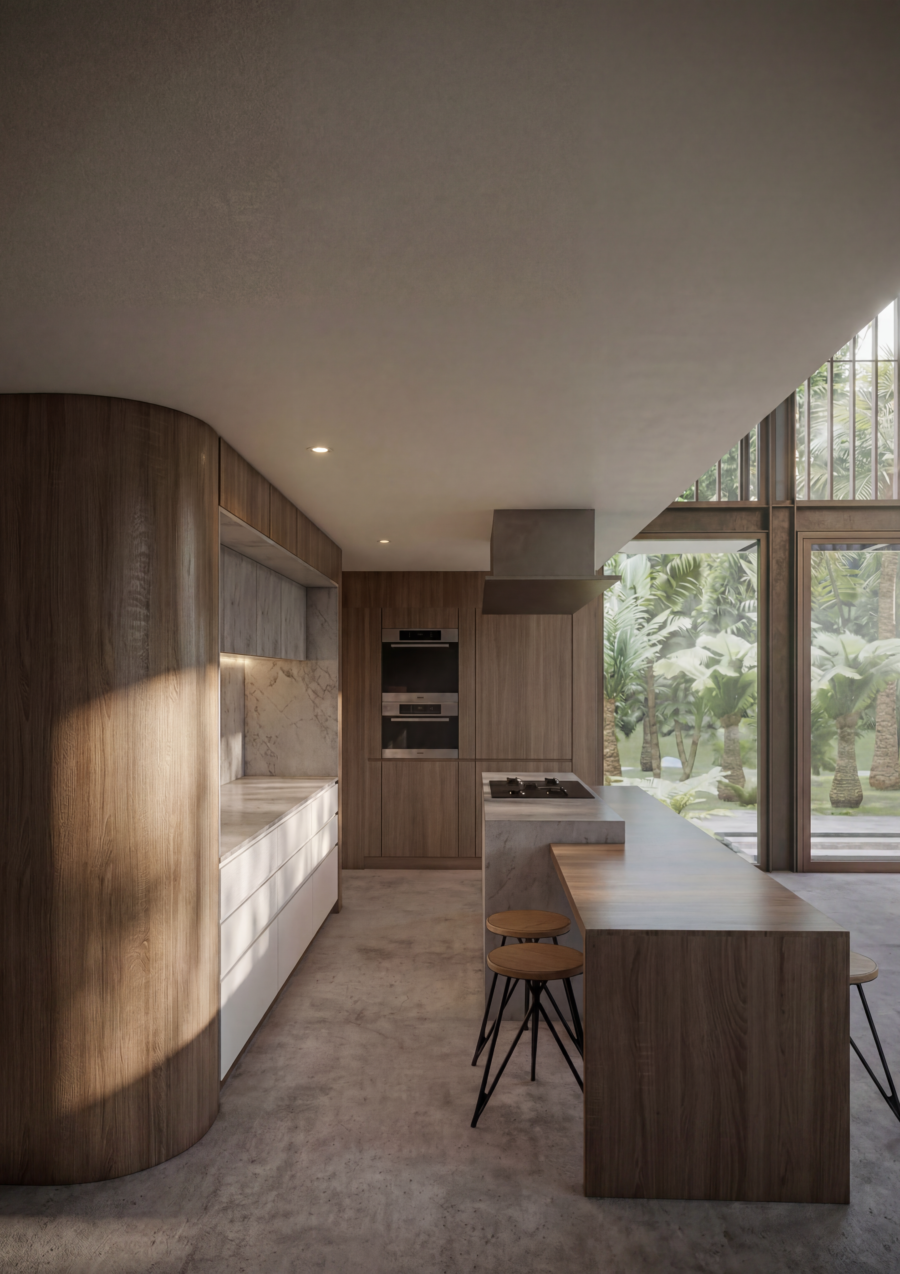
Material selection focuses on strength, durability and low maintenance performance. The tropical environment demands materials that can withstand heavy rainfall, humidity and long-term exposure. Surfaces are chosen for their ability to age naturally and perform over time without excessive upkeep.
Rather than resisting weathering, the design embraces it. Materials develop character as they respond to the climate, reinforcing the connection between building and place. This approach ensures the home remains resilient while maintaining a strong architectural identity.
The structure is carefully detailed to support long-term performance. Joints, connections and roof systems are designed to manage water efficiently and protect key building elements. These technical strategies are integrated into the overall architectural expression.
Natural light is carefully controlled throughout the day. Shading devices and deep reveals reduce glare and heat gain while maintaining bright, open interiors. This balance ensures comfortable living conditions even in intense tropical sunlight.
The home is designed to operate as a continuous spatial system rather than a series of closed rooms. This allows occupants to move easily between shaded outdoor areas and interior zones, supporting a flexible and adaptive lifestyle.
Landscape is treated as an extension of the architecture. Vegetation surrounds the building, providing shade, privacy and cooling benefits. The relationship between built form and nature is continuous, reinforcing the immersive quality of the tropical setting.
Lae House demonstrates how a climate responsive architecture tropical home can be shaped by environmental conditions rather than controlled against them. Through passive design, durable materials and open spatial planning, the project creates a resilient and highly liveable tropical residence that responds directly to its place and climate.
Project details
Status
Project Type
Location
Floor area
Photography
Architectural Team
Engineering Team
Materials
Exploring Site and Concept Option 1#
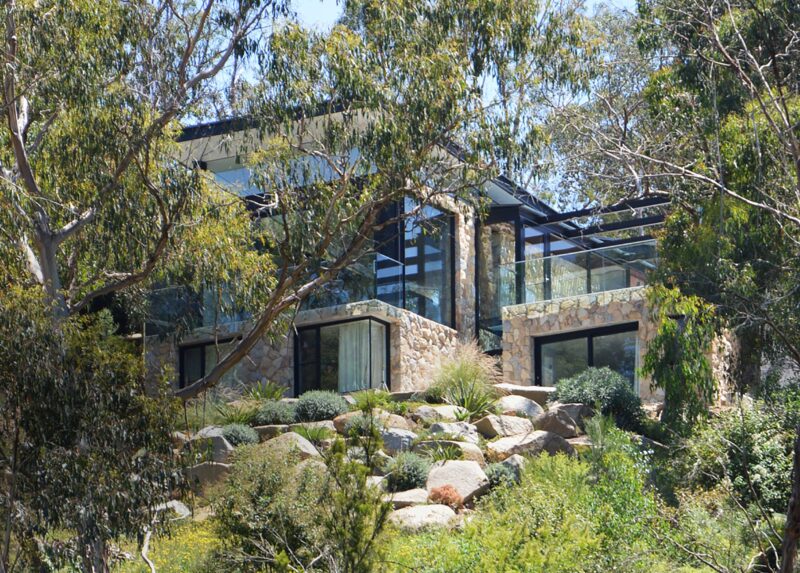
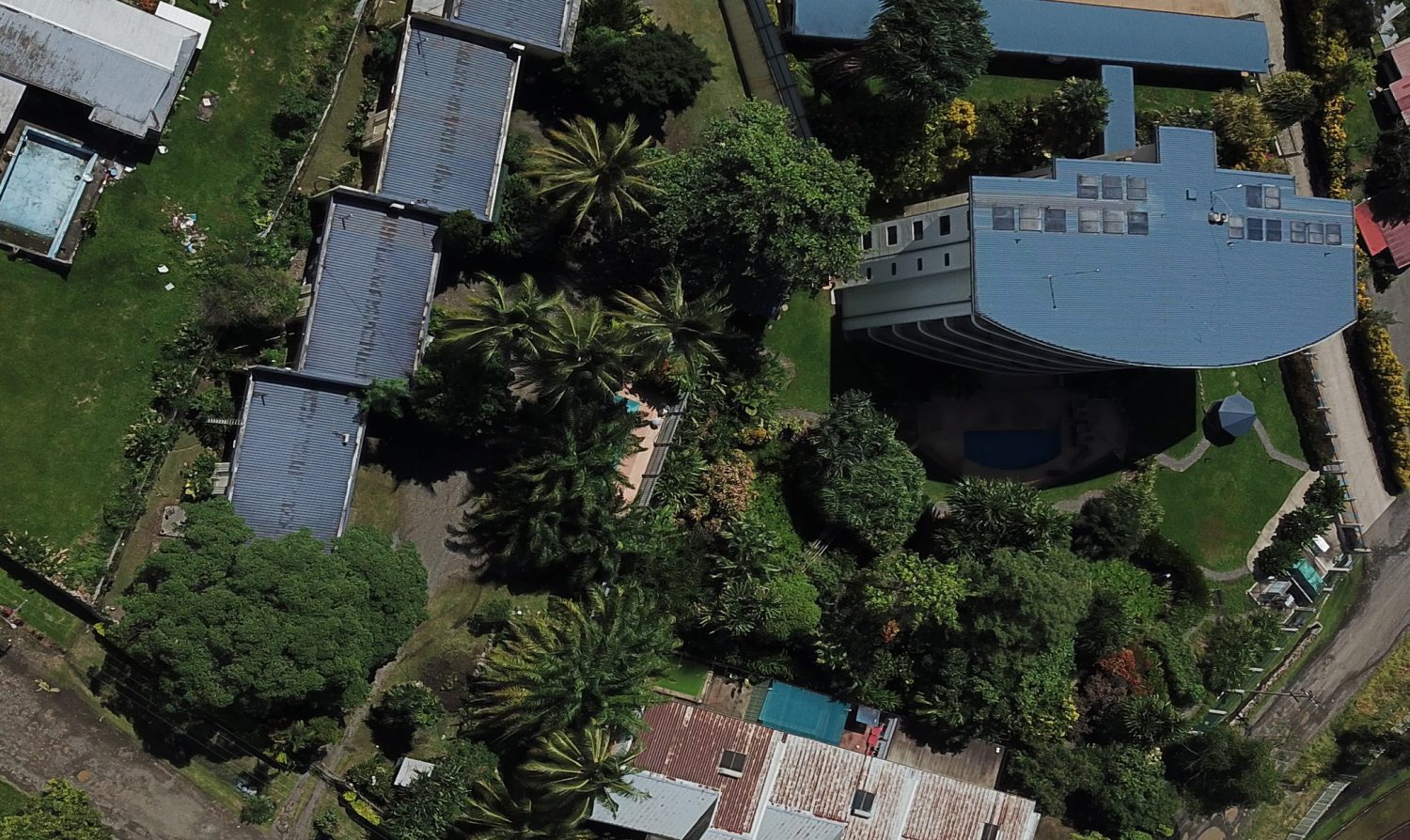
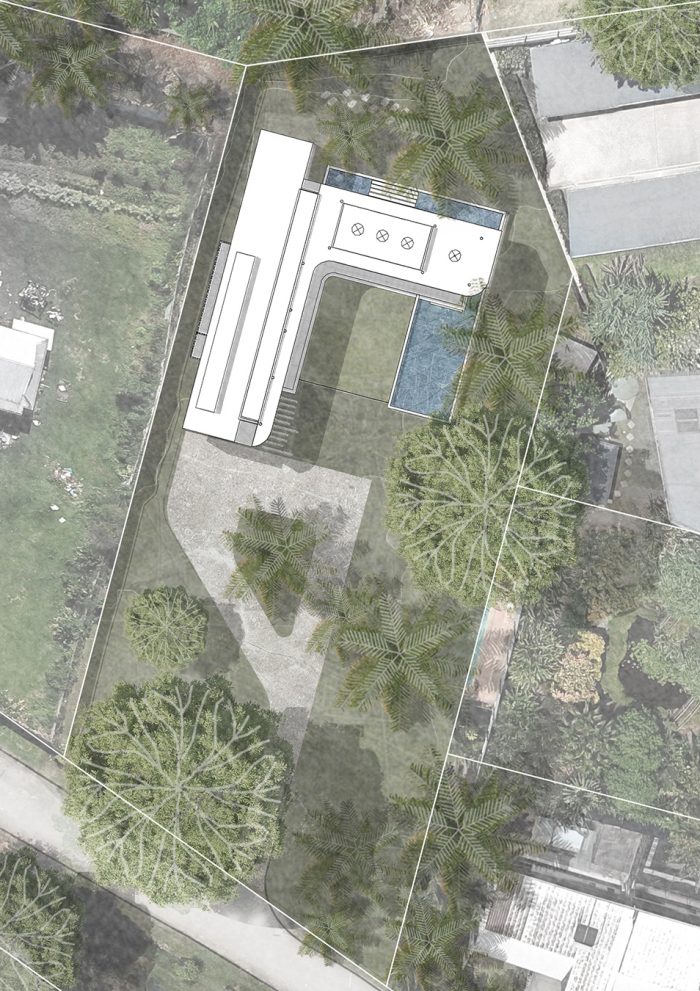
Concept 1 proposes a two-storey configuration that establishes a clear vertical gradient of privacy and security across the dwelling. The building is positioned high on the site and articulated as an L-shaped form, defining its relationship to the driveway and establishing a strong geometric response to the topography. This arrangement separates public and private functions across levels while reinforcing the building’s presence within the landscape through a controlled and elevated siting strategy.

Exploring the Site; Concept Option 2#
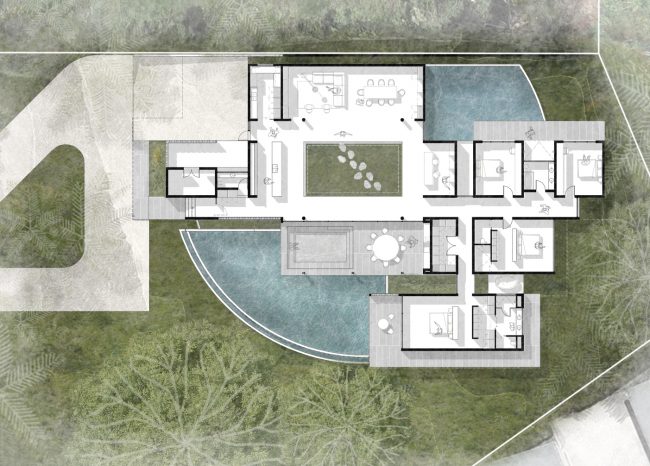
Concept 2 proposes a single-storey arrangement that explores how privacy and security can be achieved within a horizontal spatial configuration. The architecture is organised as a series of pavilions distributed within the landscape, drawing on local vernacular references and reinterpreting them through a contemporary architectural language. A clear spatial hierarchy defines the plan, with functions arranged to transition progressively from public to more private conditions as one moves through the sequence of spaces.