Ellis
Heritage Renovation Melbourne l Hawthorn




Ellis Project Details
Completed 2021
Traditional Lands of the Wurundjeri Woi Wurrung people
Project Type
Alterations & Additions
Location
Hawthorn, Victoria
Floor area
200sqm
Photography
Ben Hosking
Architectural Team
Alexandra Buchanan with Jimi Connor & Richard Valle
Construction Team
Materials
Masonry. Timber. Glass
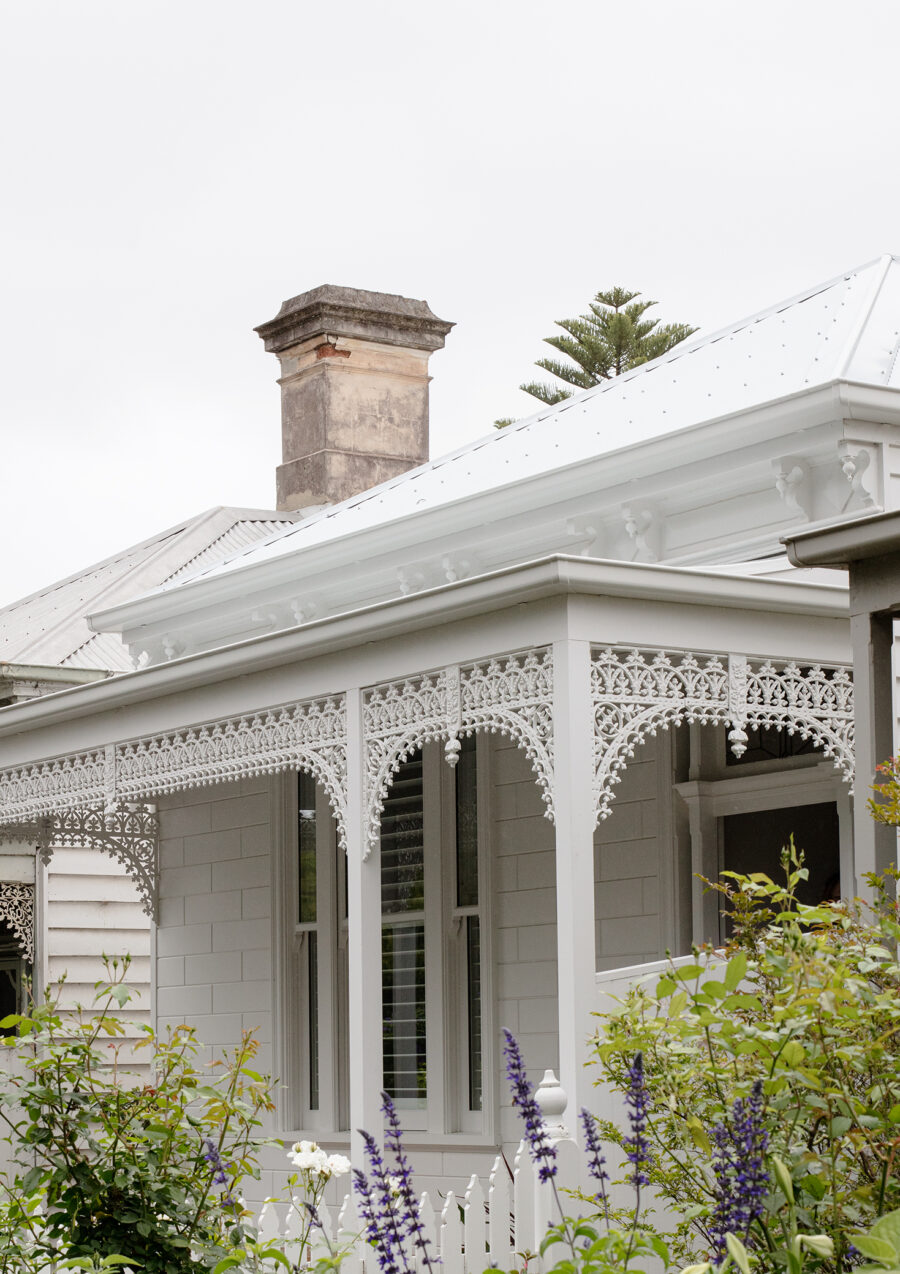
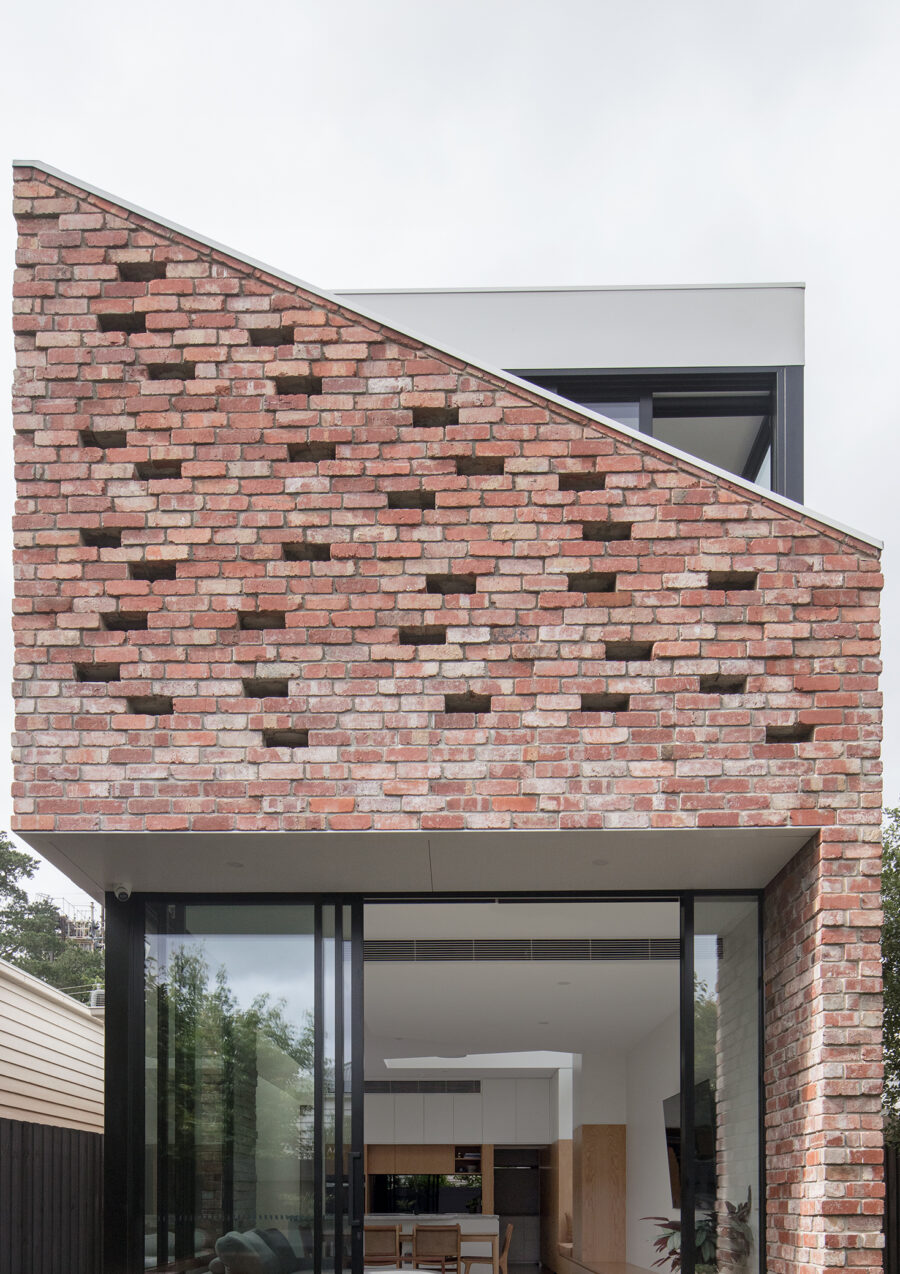
Designed for a growing family of five, the driving idea behind the Ellis House renovation was to ‘open up’ the building to the garden and pour as much light into the spaces as possible.
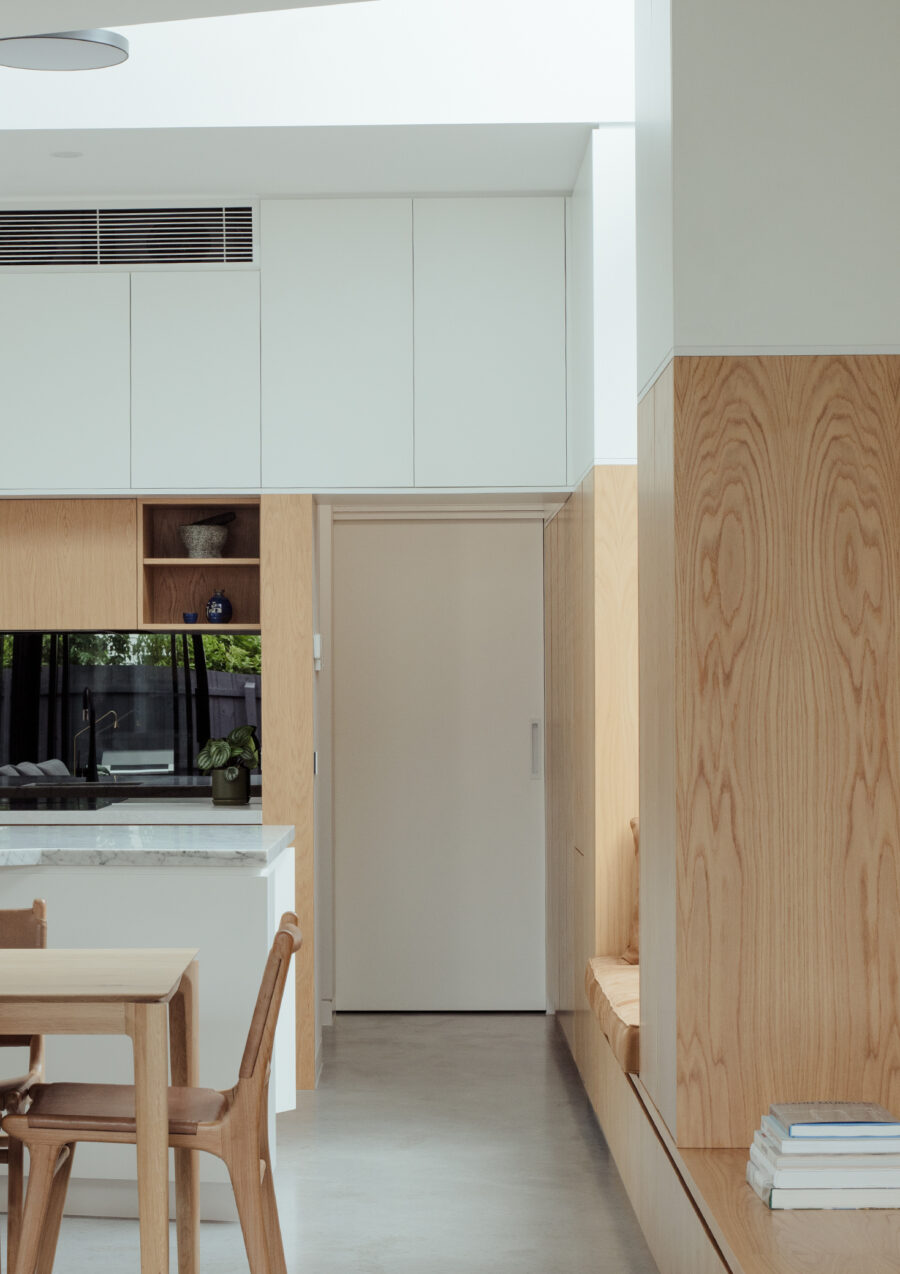
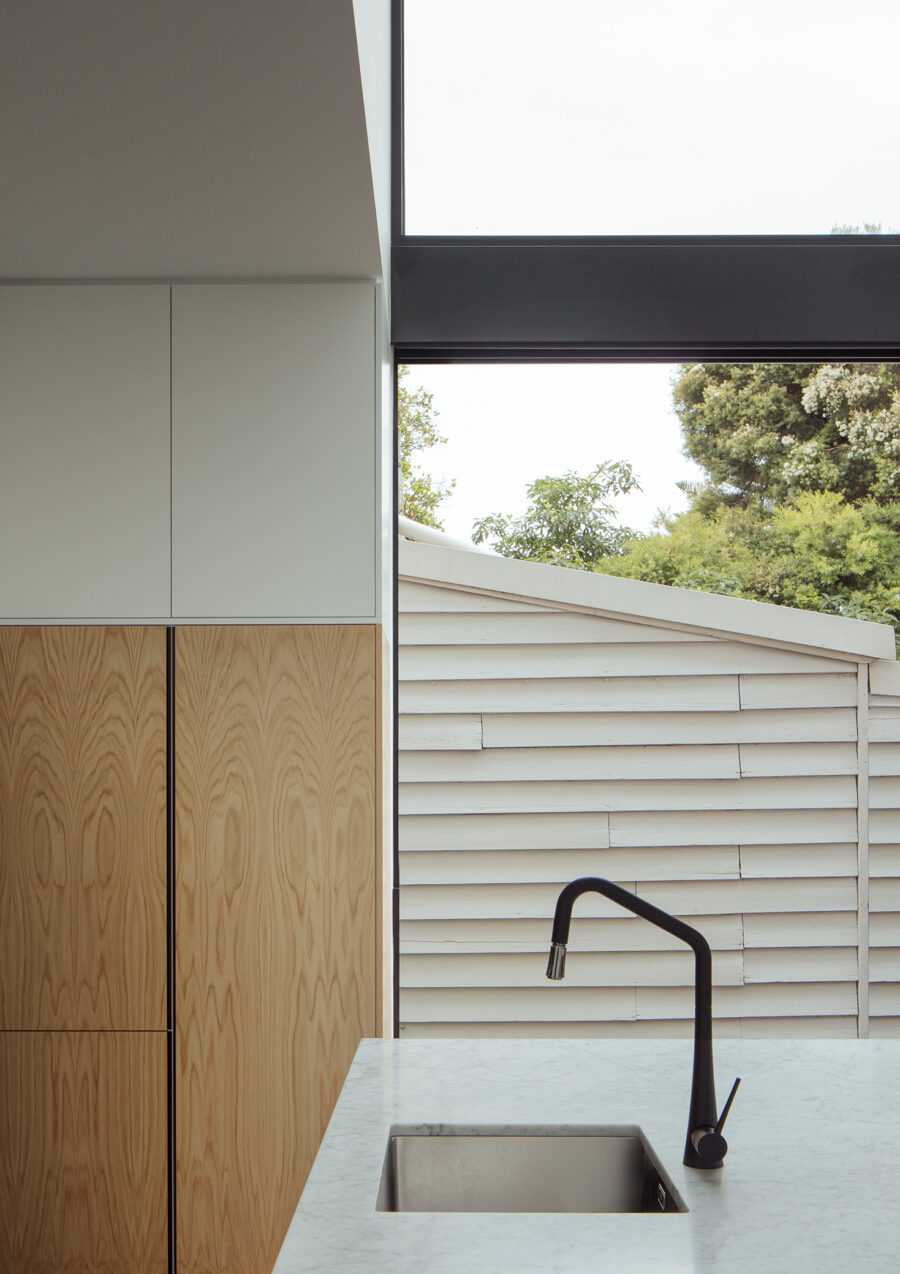
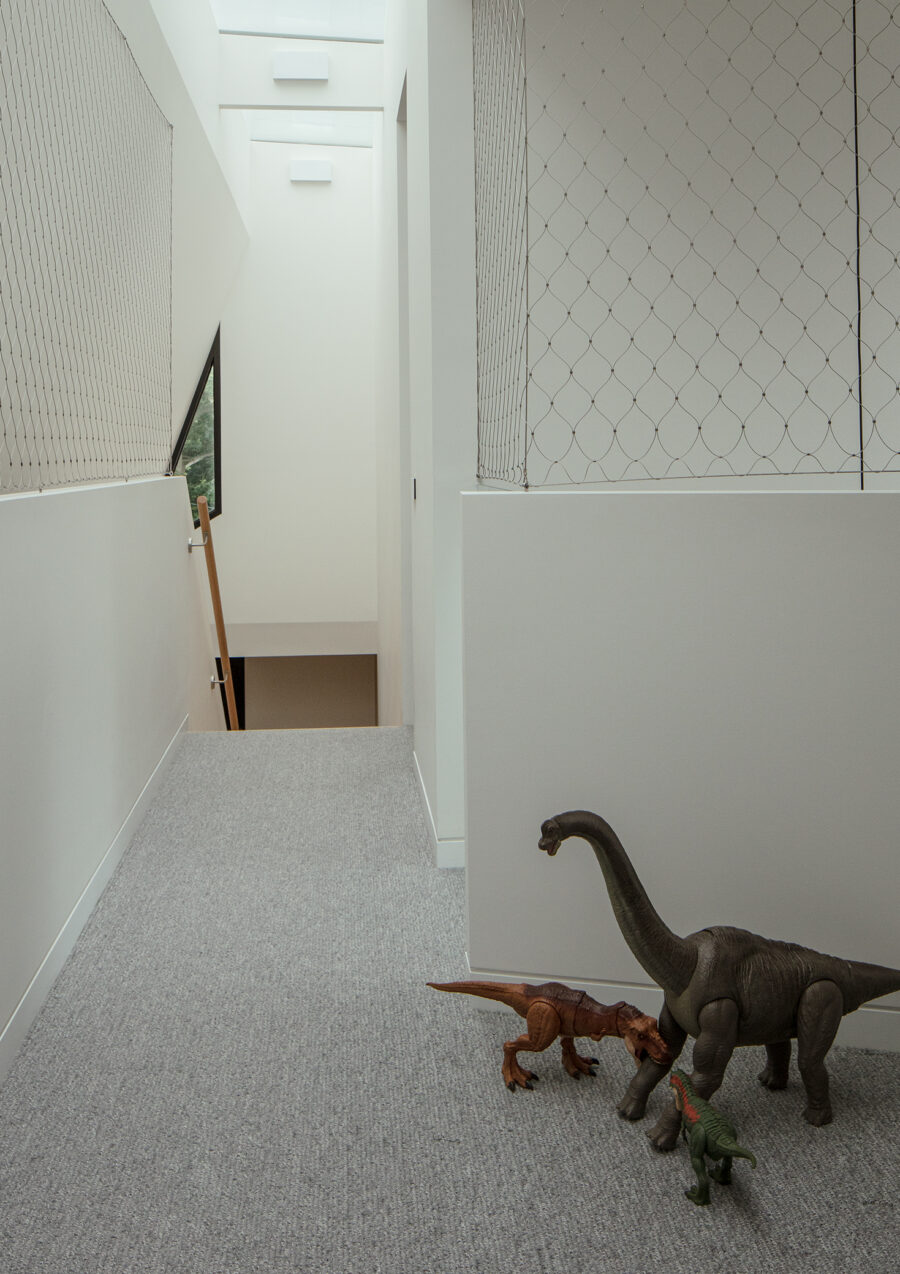
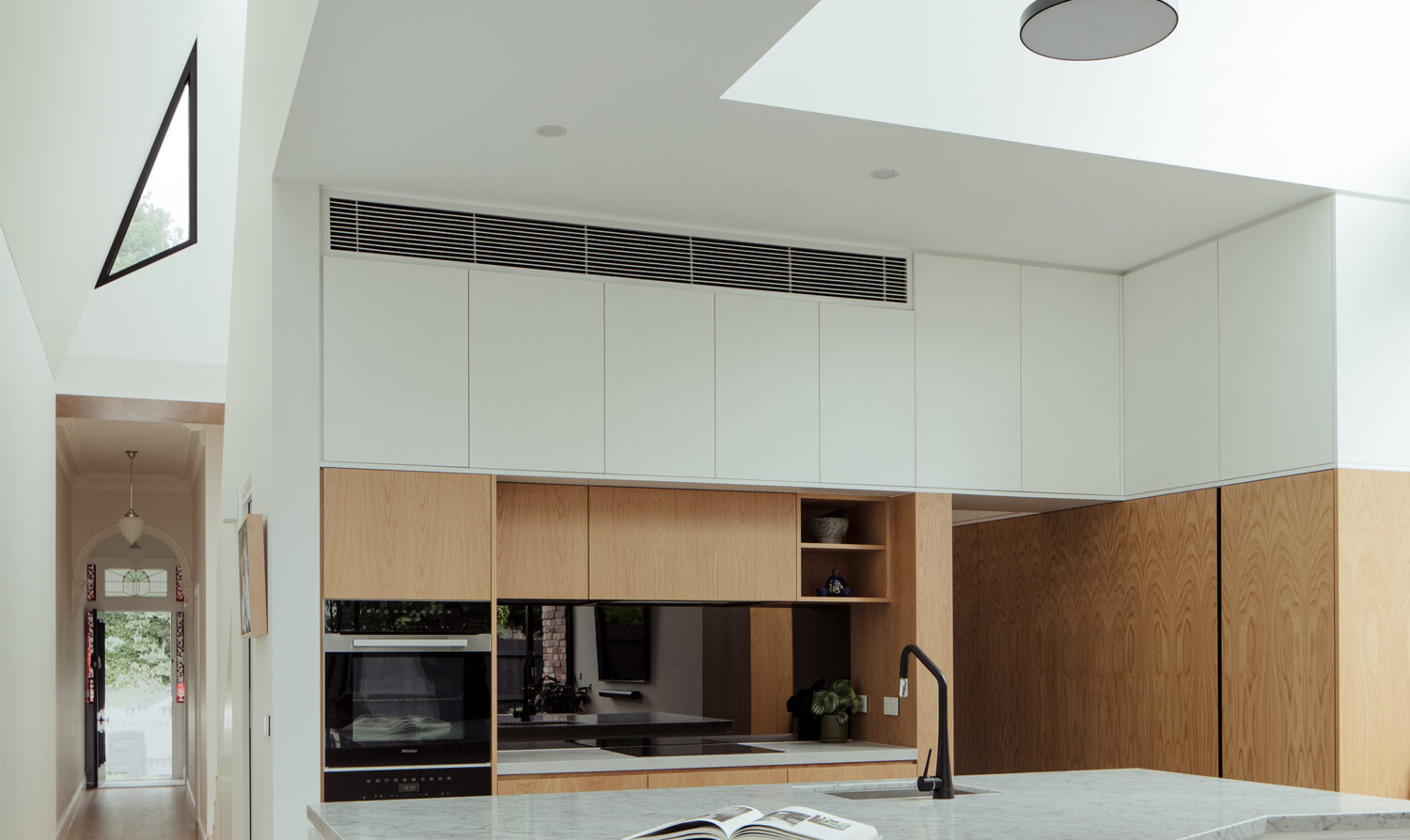
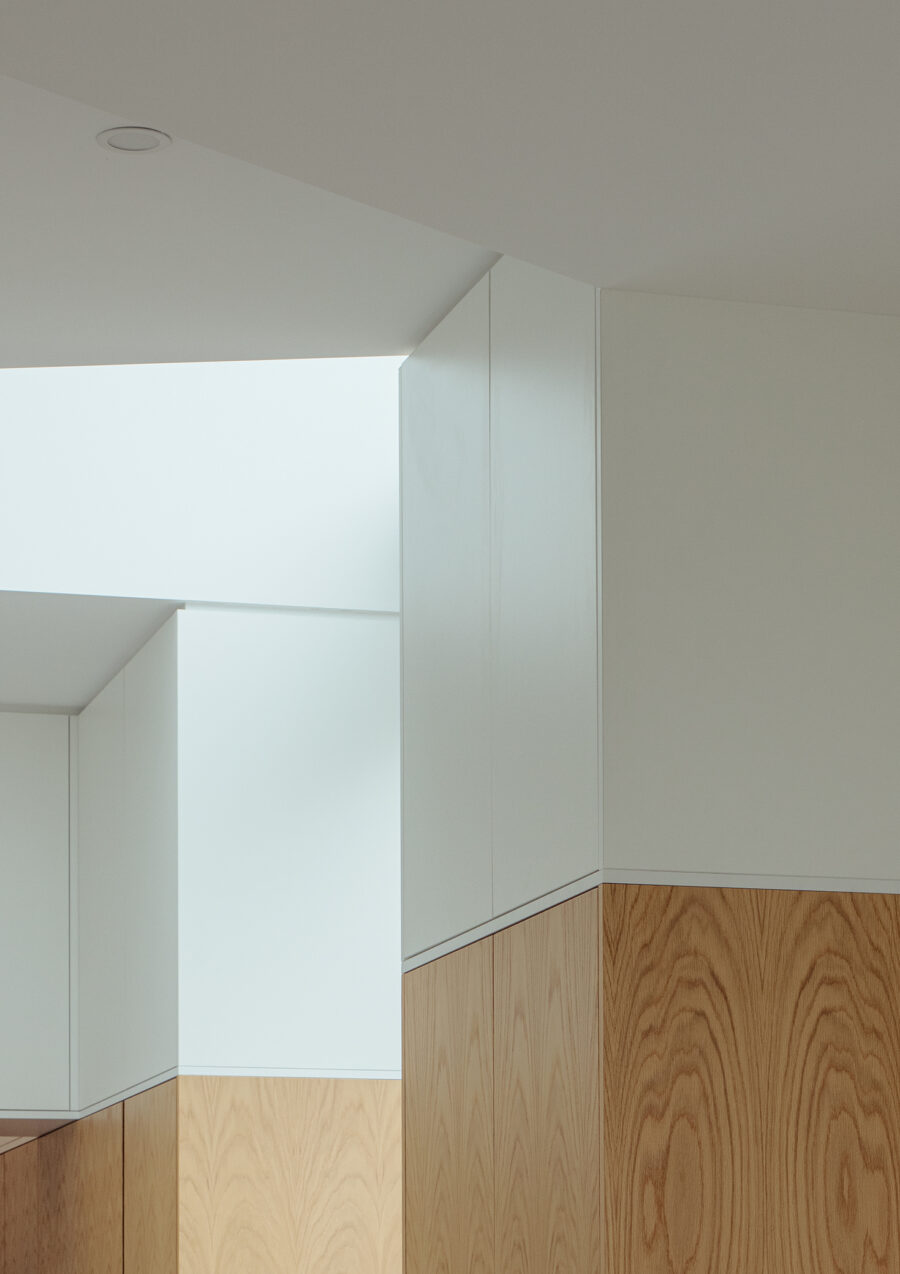
A linear ‘light shaft’ punctuates the minimal rectilinear form, running the full length of the proposed extension and channelling natural light right through to the ground floor.
Initial Concepts
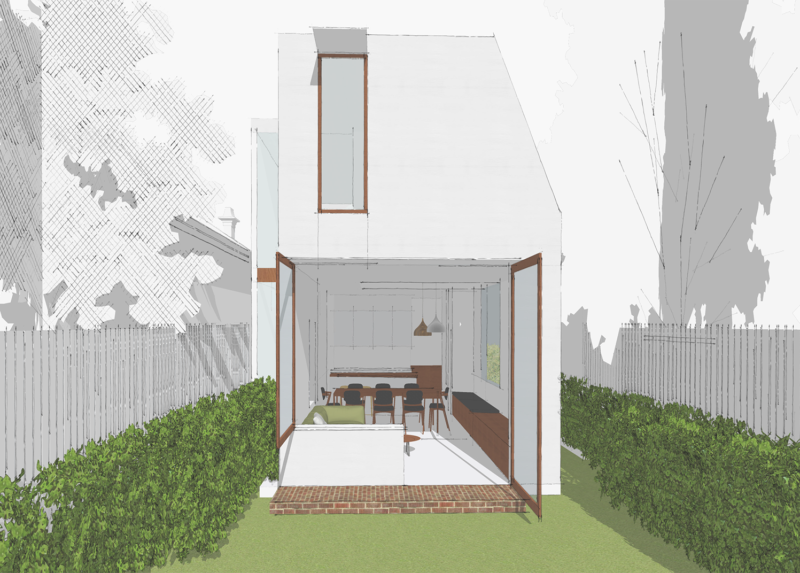
Telling and illustrating the story is important to us at concept stage to ensure that we can fully translate all of the subtleties of an idea.
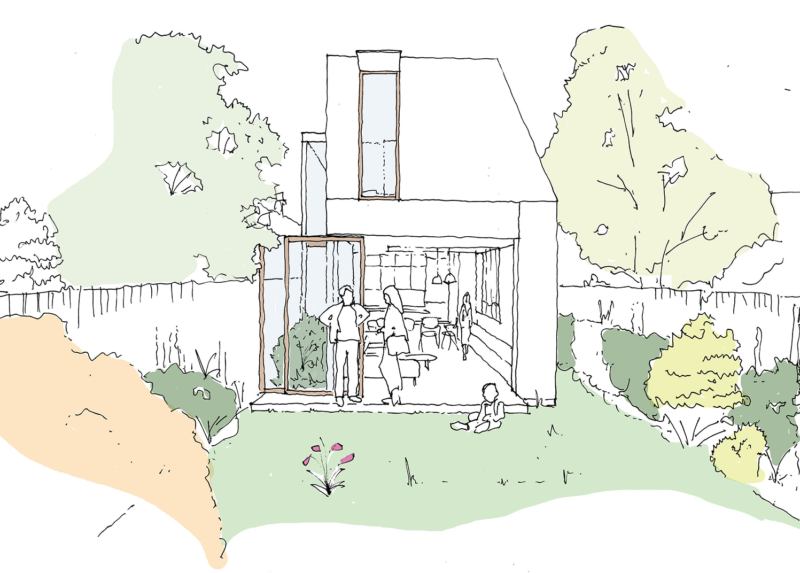
Setting the Scene
Setting the scene and describing daily activities through drawing, start to bring life to the spaces but allow clients to engage and inform the process and the spaces without them being too designed or rigid...
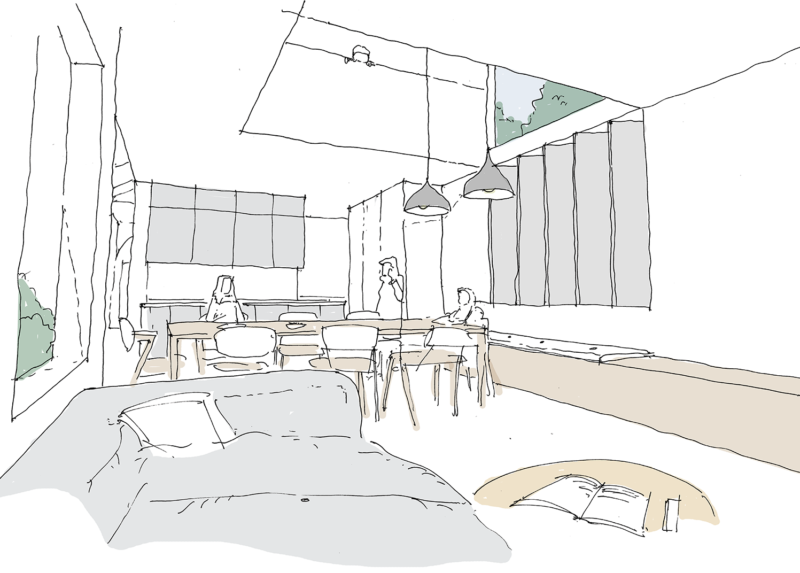
Translation to CAD
As we work through concept the design starts to become more developed with more detail and materiality added