Alexandra Buchanan Architecture

Clayfield House

Character Renovation Clayfield, Brisbane

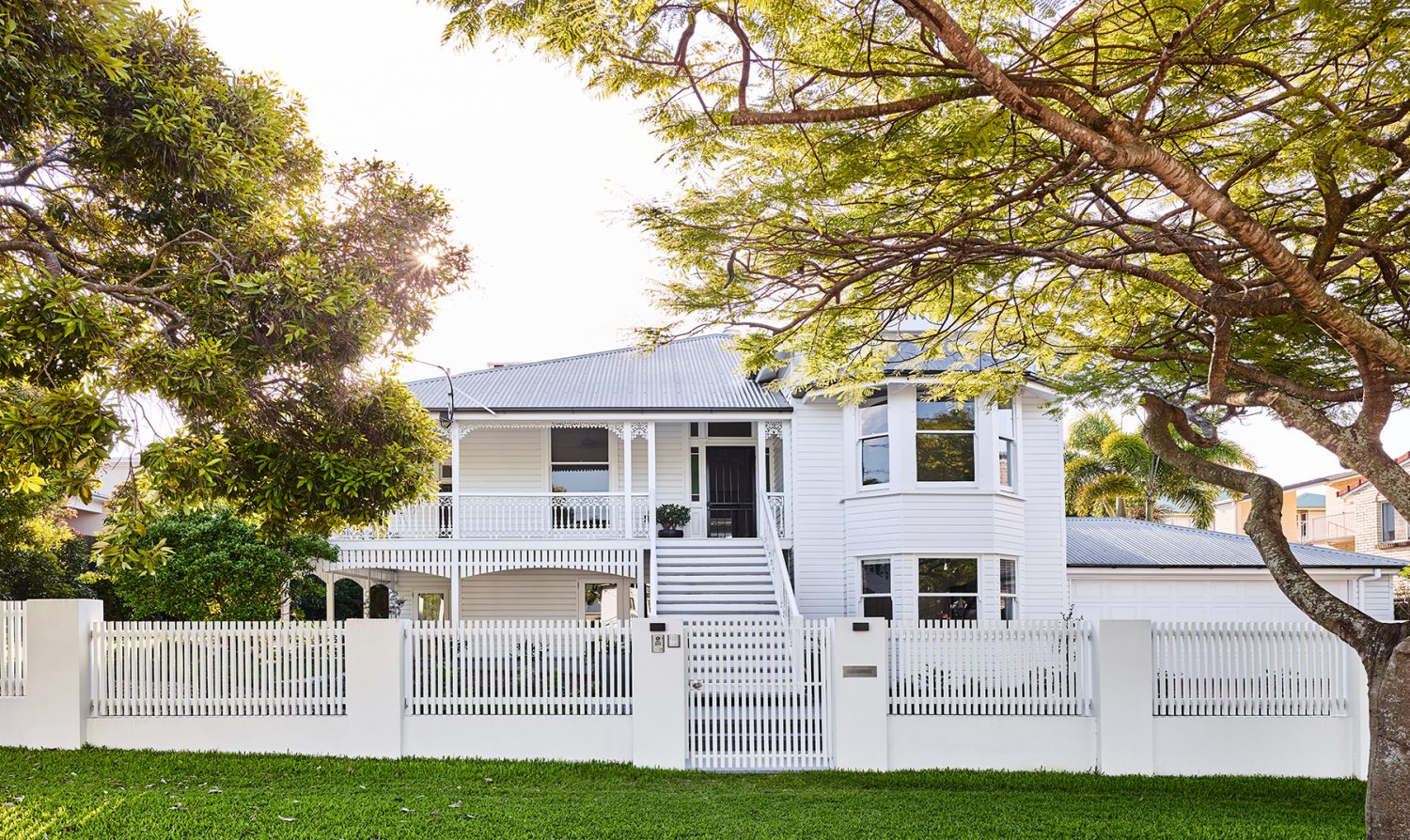
Clayfield House is a heritage renovation and contemporary extension of a historic family home in Clayfield, Brisbane, completed by Alexandra Buchanan Architecture. The project reworks the original Queenslander to improve liveability, strengthen spatial flow, and deepen the connection between house and landscape. It preserves the character of the existing home while introducing a contemporary layer that supports modern family life and subtropical living.

The original residence holds the qualities that define many of Brisbane’s enduring character homes. However, the original plan limits connection to the garden and restricts natural light within key living areas. The design responds by opening the home to its outdoor setting and repositioning daily life around landscape, light, and air.

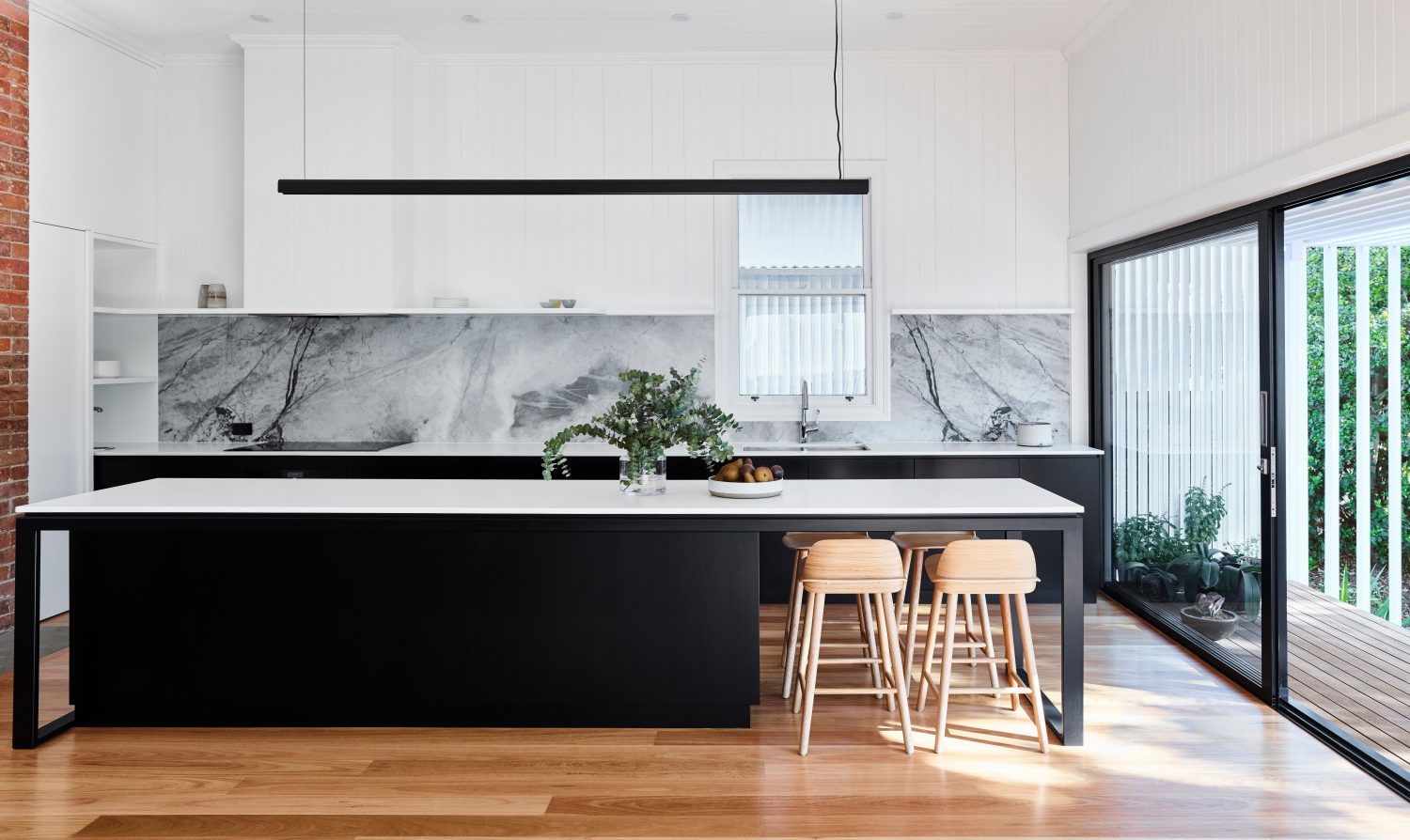
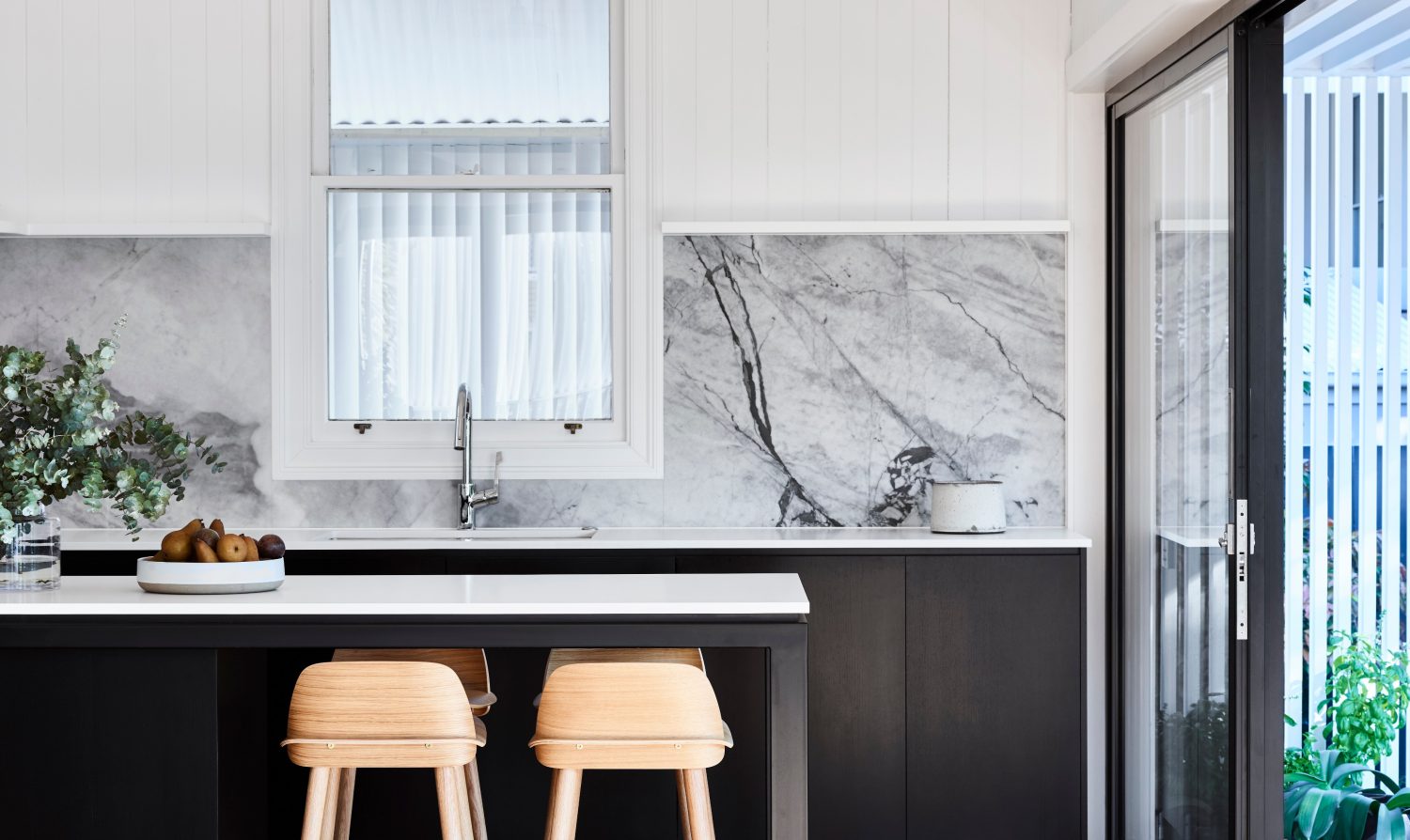
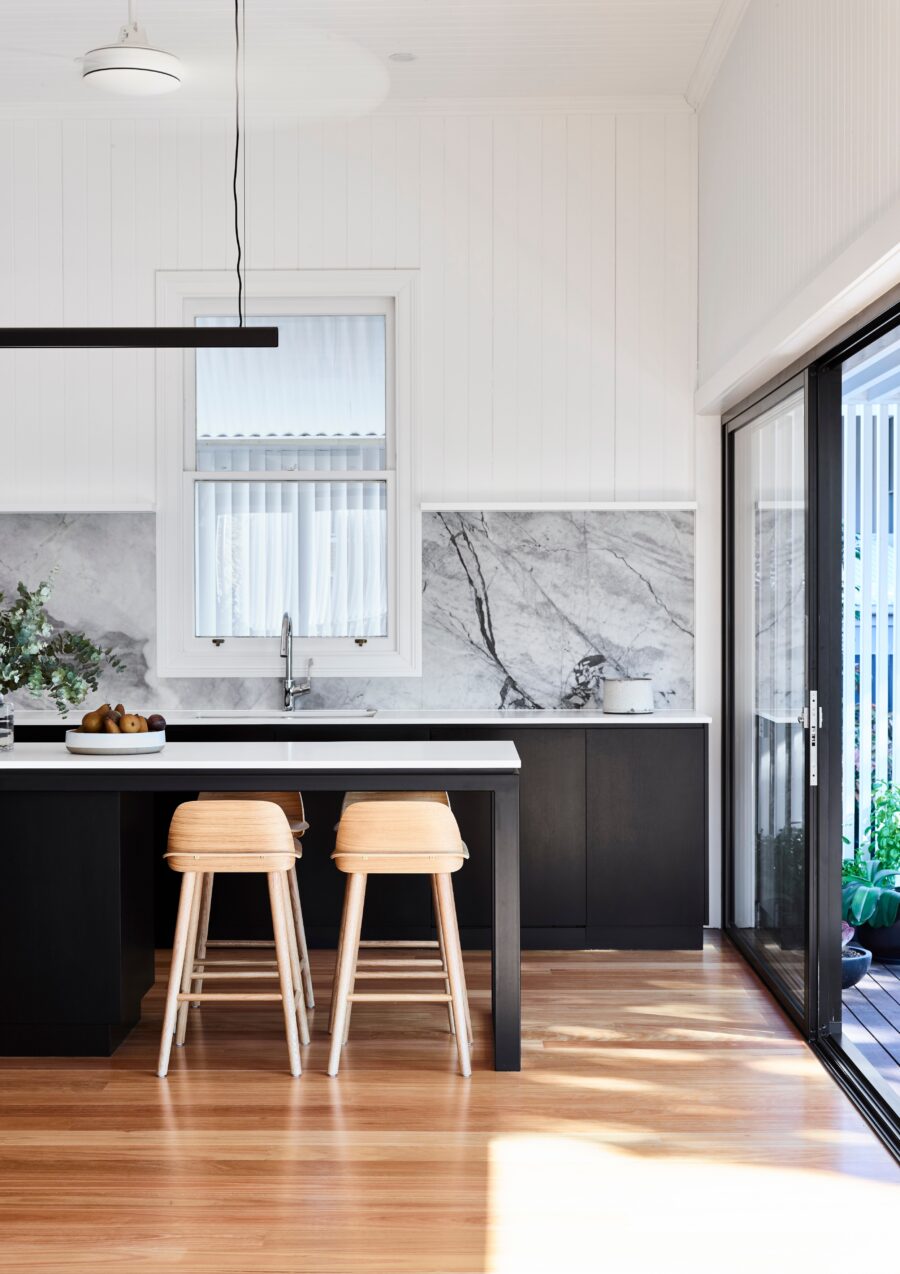
A key intervention reorganises the internal layout. The kitchen, dining, and living areas now sit at the rear of the home. This shift places family life directly alongside the garden. It strengthens the relationship between interior space and outdoor living and improves circulation throughout the house. The new arrangement creates a clear hierarchy between private rooms and shared social spaces.

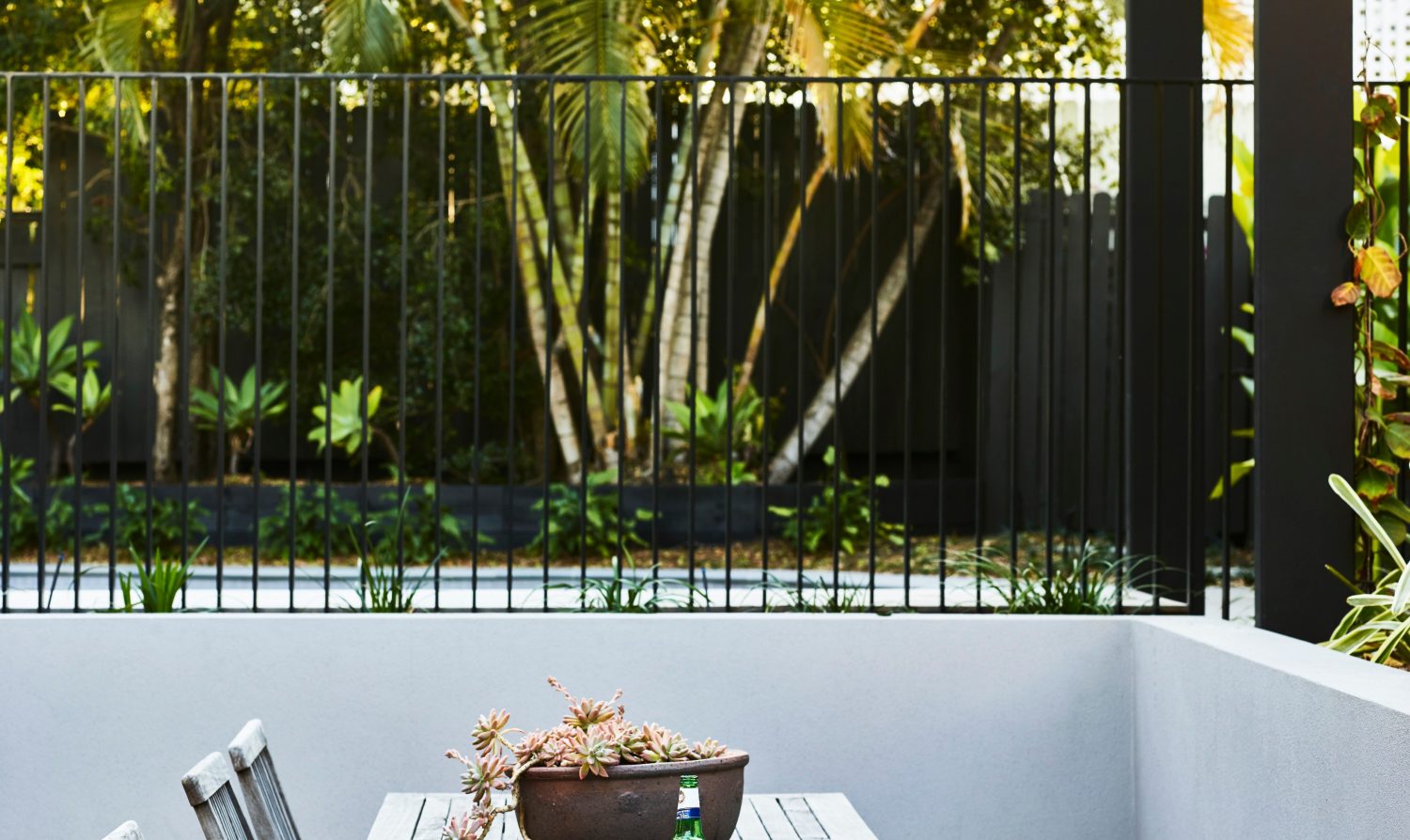
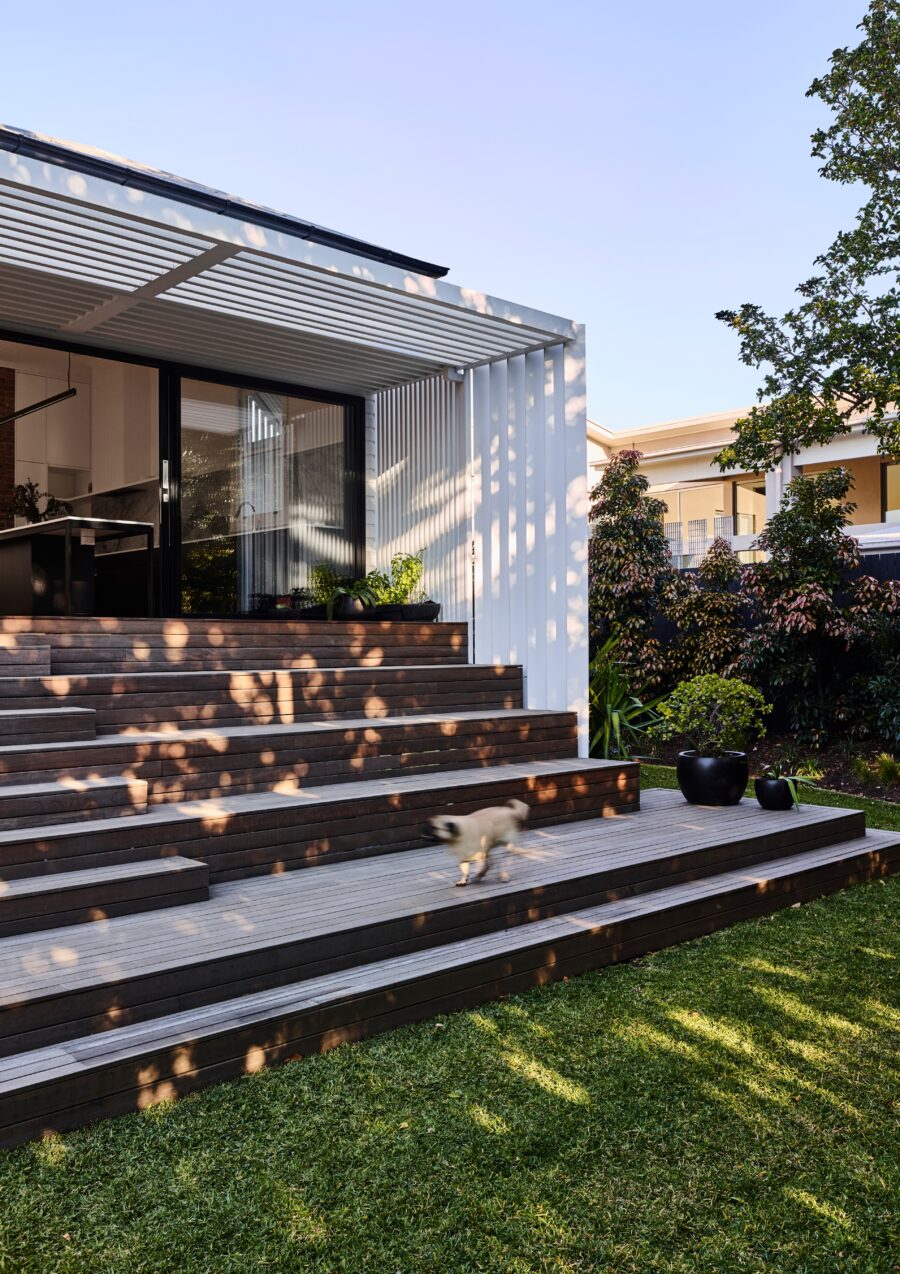
The outdoor room forms the architectural centre of the extension. Positioned at the rear of the house, it establishes a sheltered threshold between interior spaces and the garden. The space remains open to light and air while offering protection from sun and rain. This balance supports year-round use and reinforces a distinctly Brisbane approach to indoor-outdoor living.

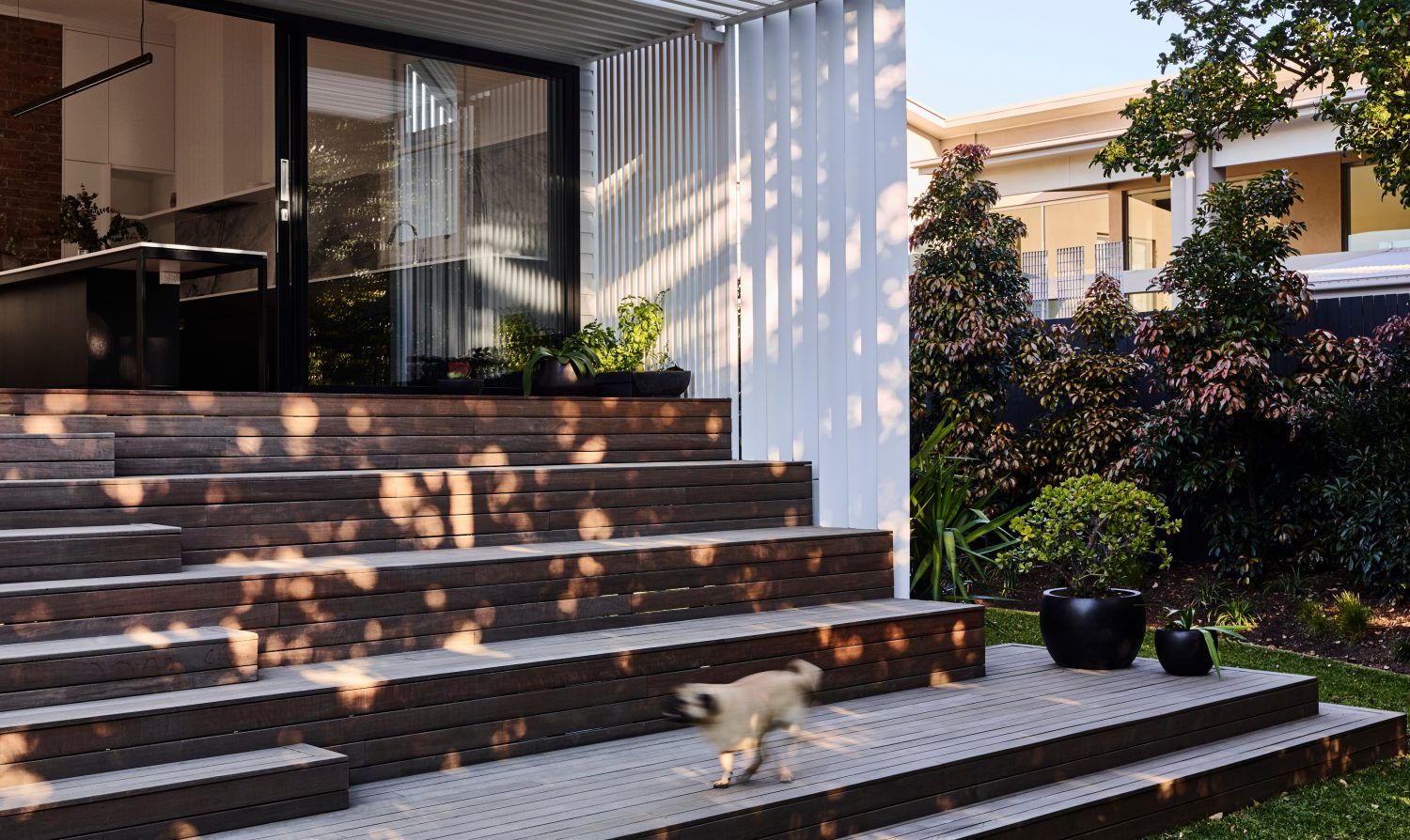
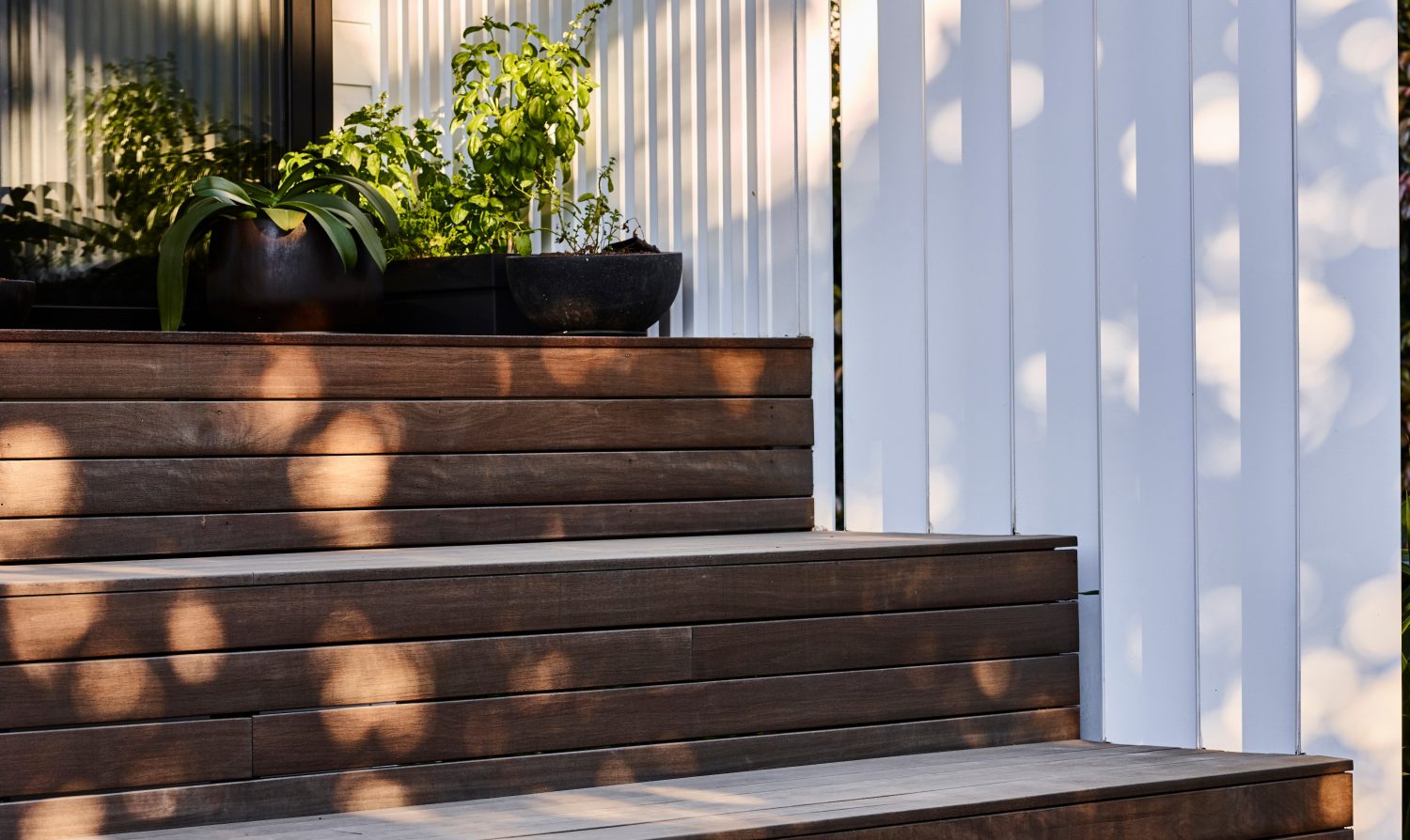
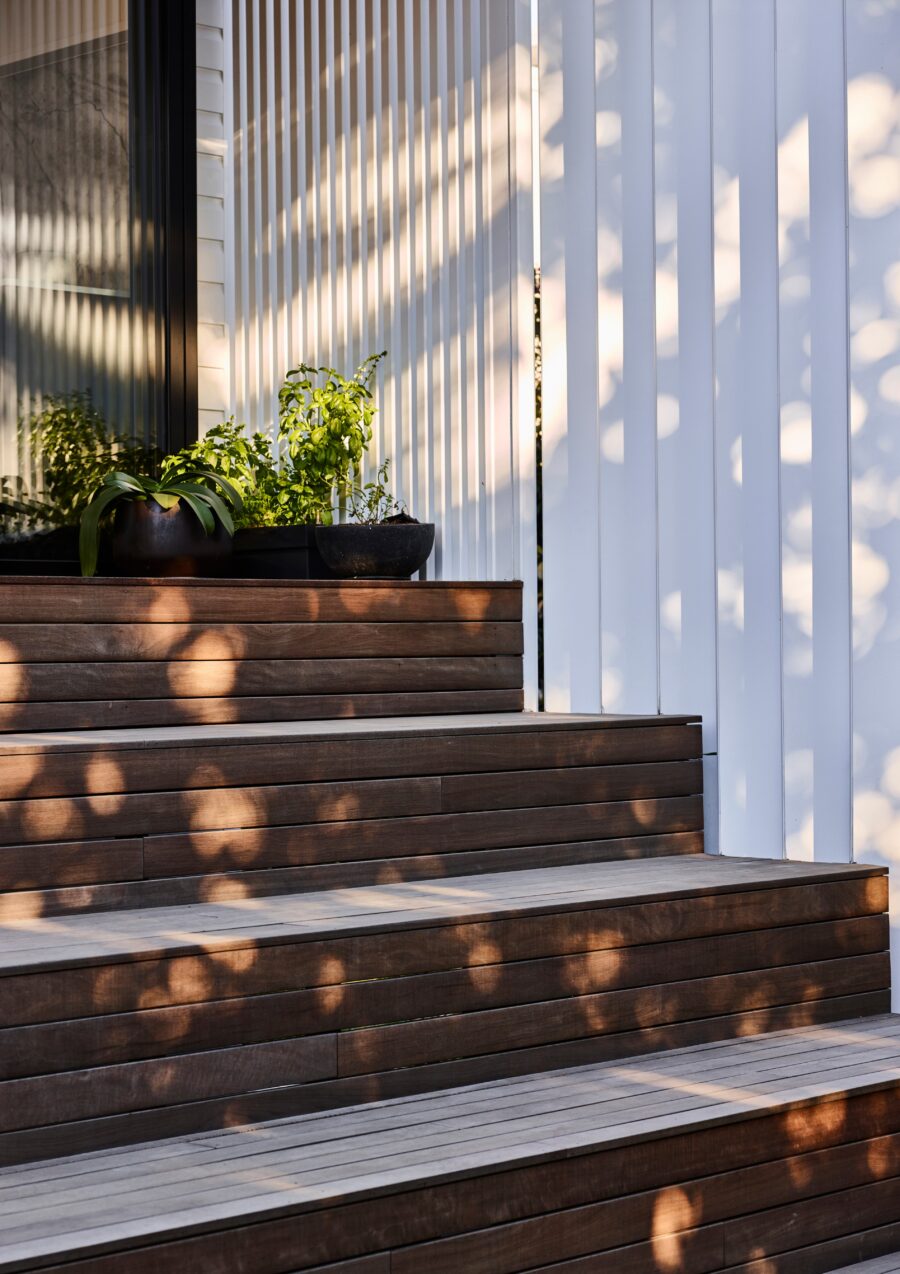
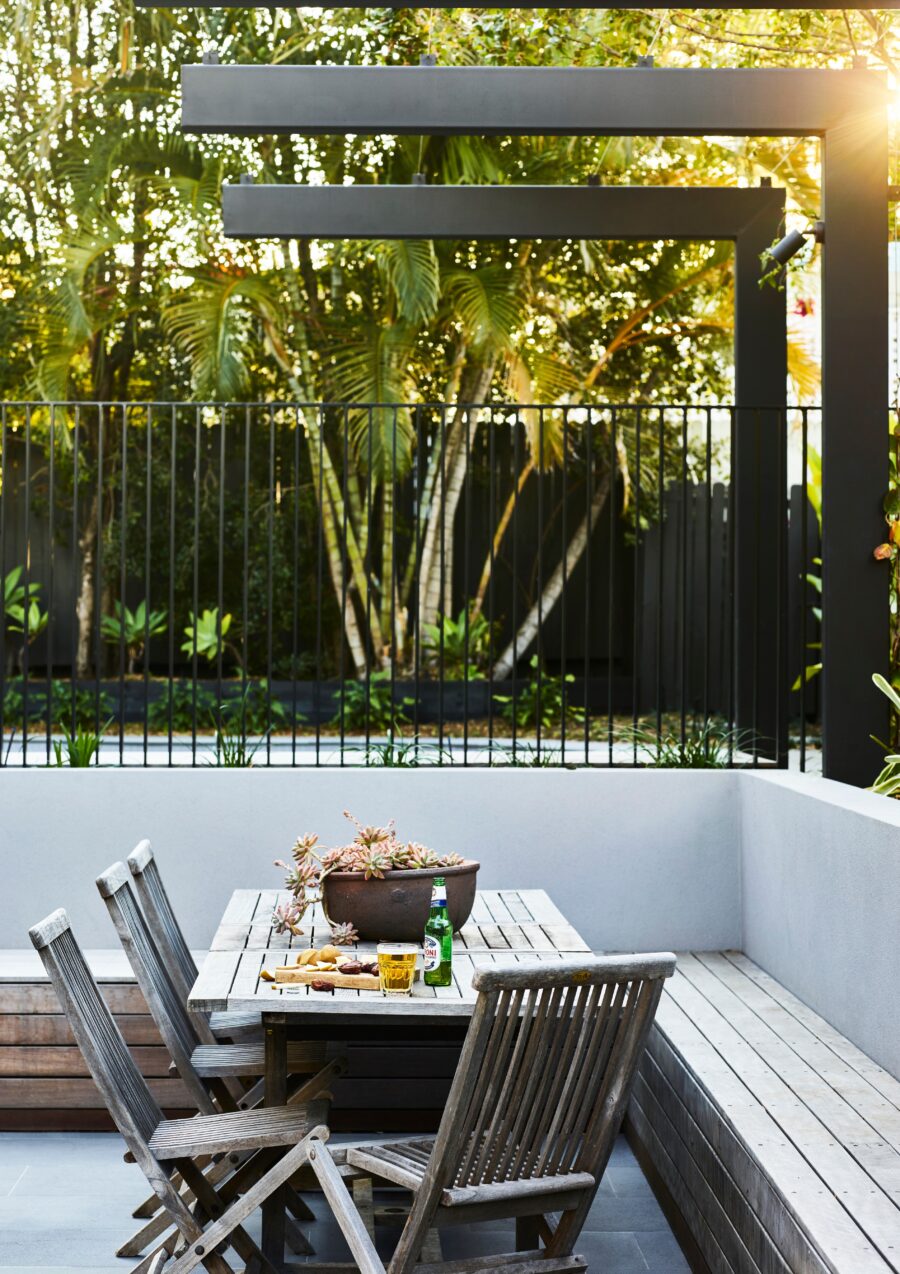
The design uses dark-stained timber to define the new addition. This material choice sets up a clear contrast with the original weatherboard house. The outdoor room extends onto timber terraces that continue living spaces into the landscape. These terraces support dining, entertaining, and everyday family routines while encouraging movement between inside and outside.

Large openings bring daylight and ventilation deep into the home. The design frames views towards planting and garden spaces, strengthening the connection between architecture and landscape. This relationship reduces the boundary between house and garden and creates a constant awareness of the surrounding environment.

Pivoting timber screens add flexibility and control to the outdoor room. These elements allow occupants to adjust privacy, light, and outlook throughout the day. As the screens move, they shift the character of the façade and create a dynamic architectural expression that responds to climate and use.

The renovation also improves internal flow. The design simplifies circulation and creates clearer relationships between rooms. Spaces connect more directly, which improves movement and supports daily routines. This clarity enhances the sense of openness without removing areas for privacy or retreat.

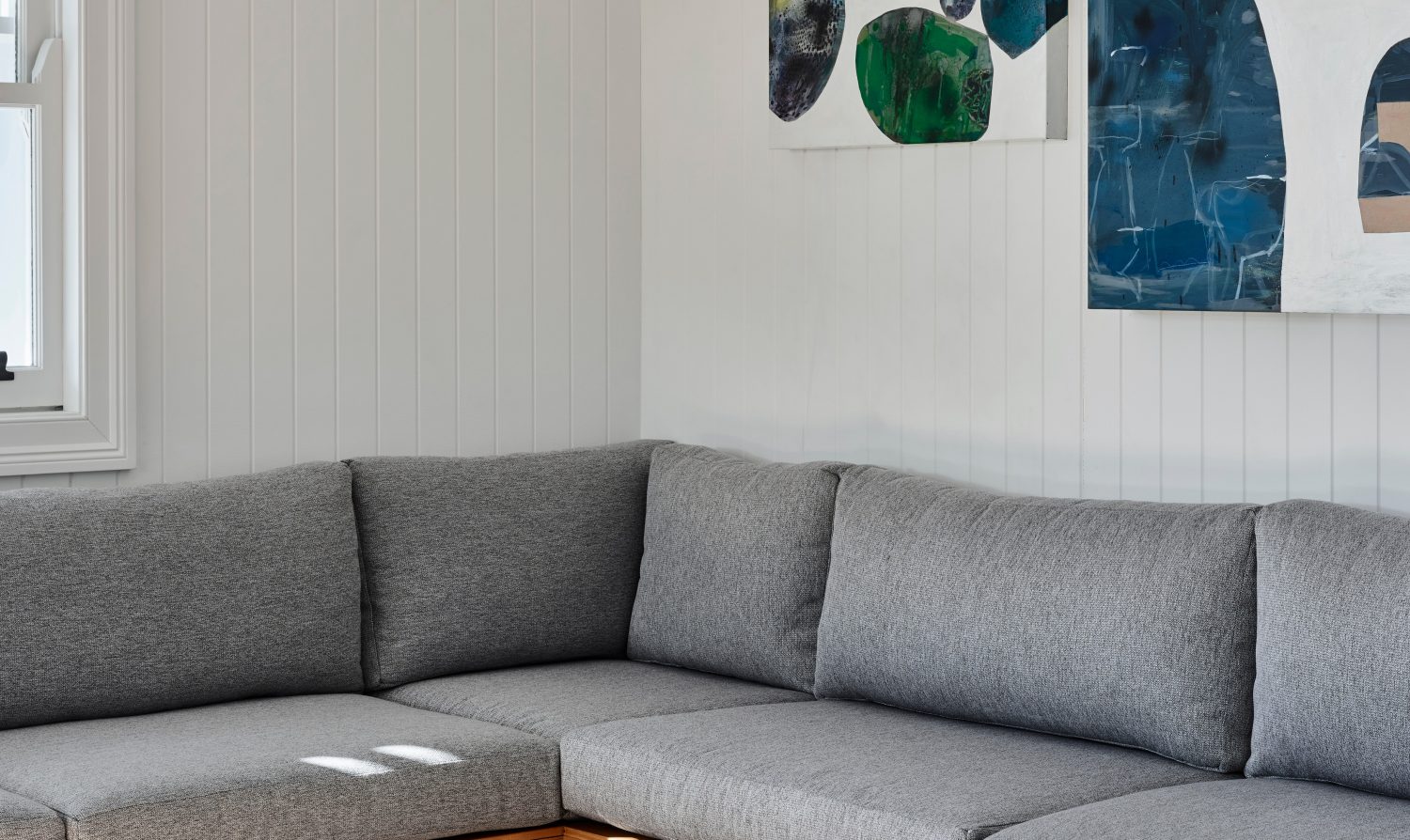
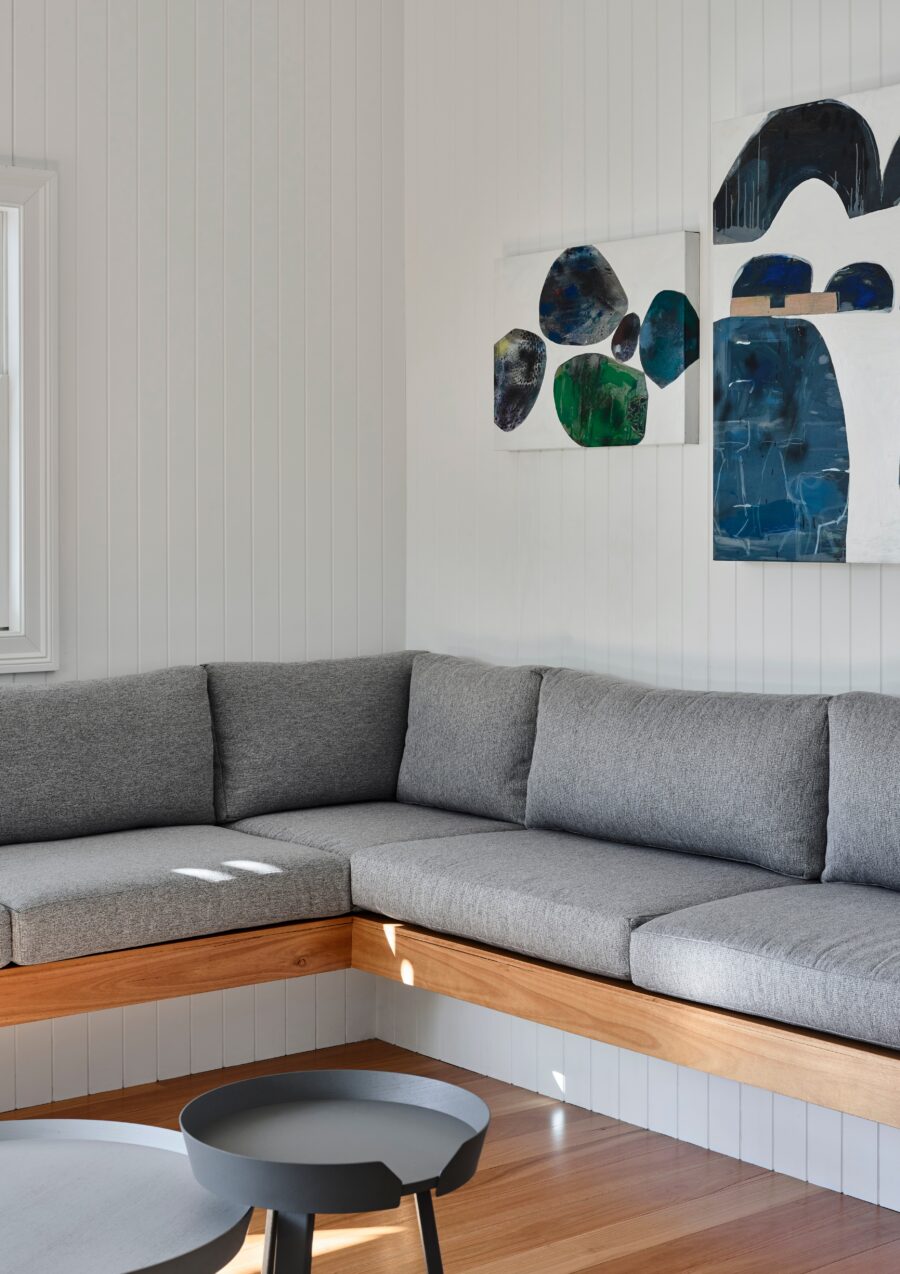
The home offers a range of living environments that support different ways of occupying space. Smaller rooms provide quiet and separation. Larger open-plan areas support gathering, entertaining, and shared family activity. This balance allows the home to adapt to changing needs across the day and over time.

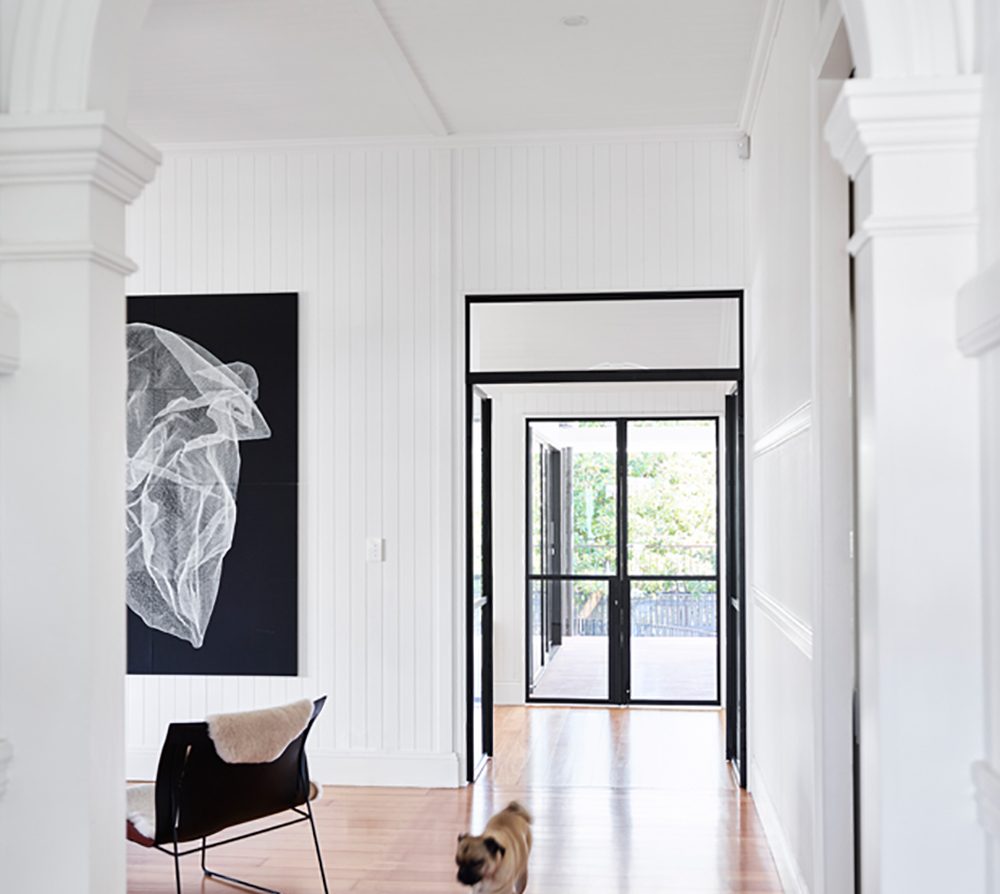
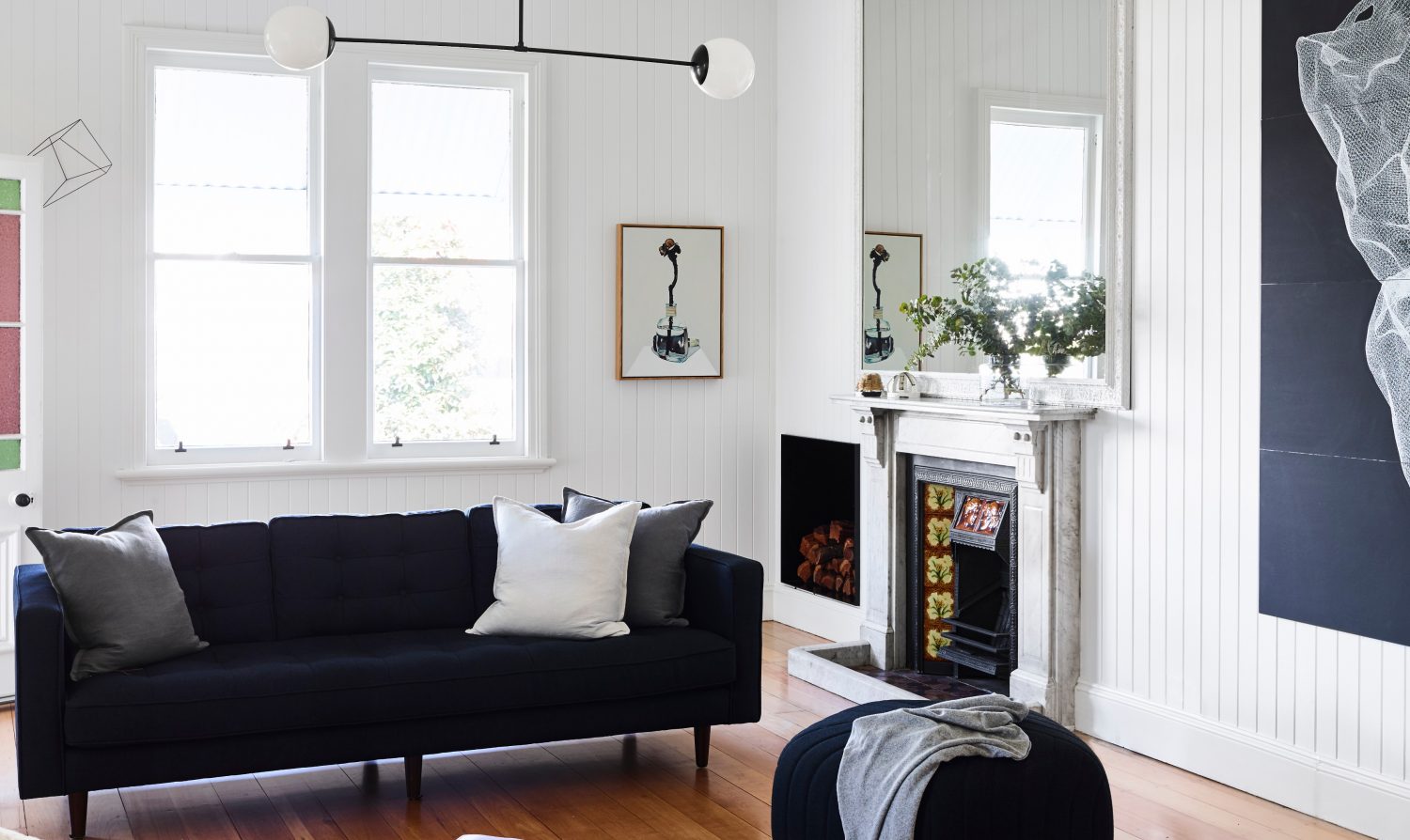
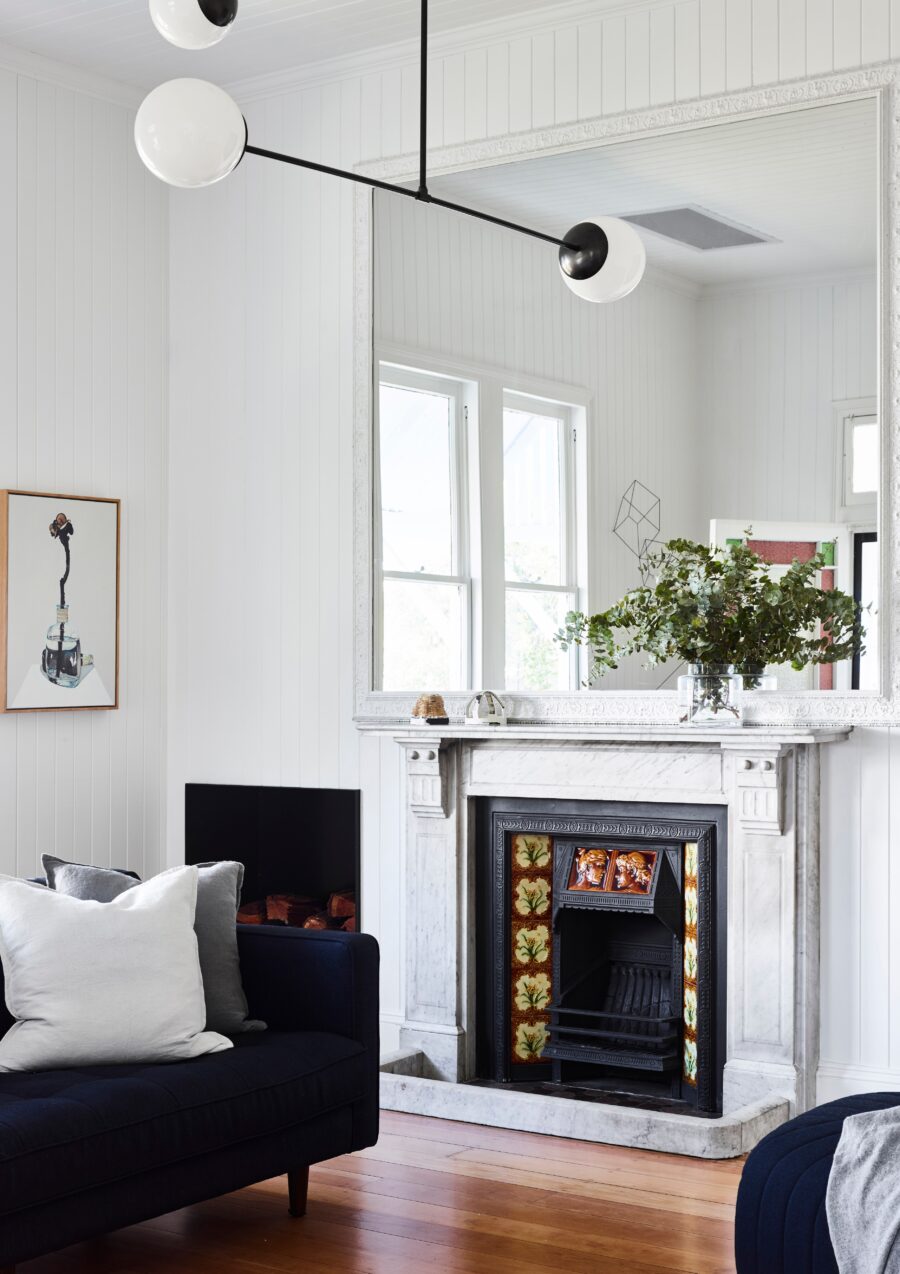
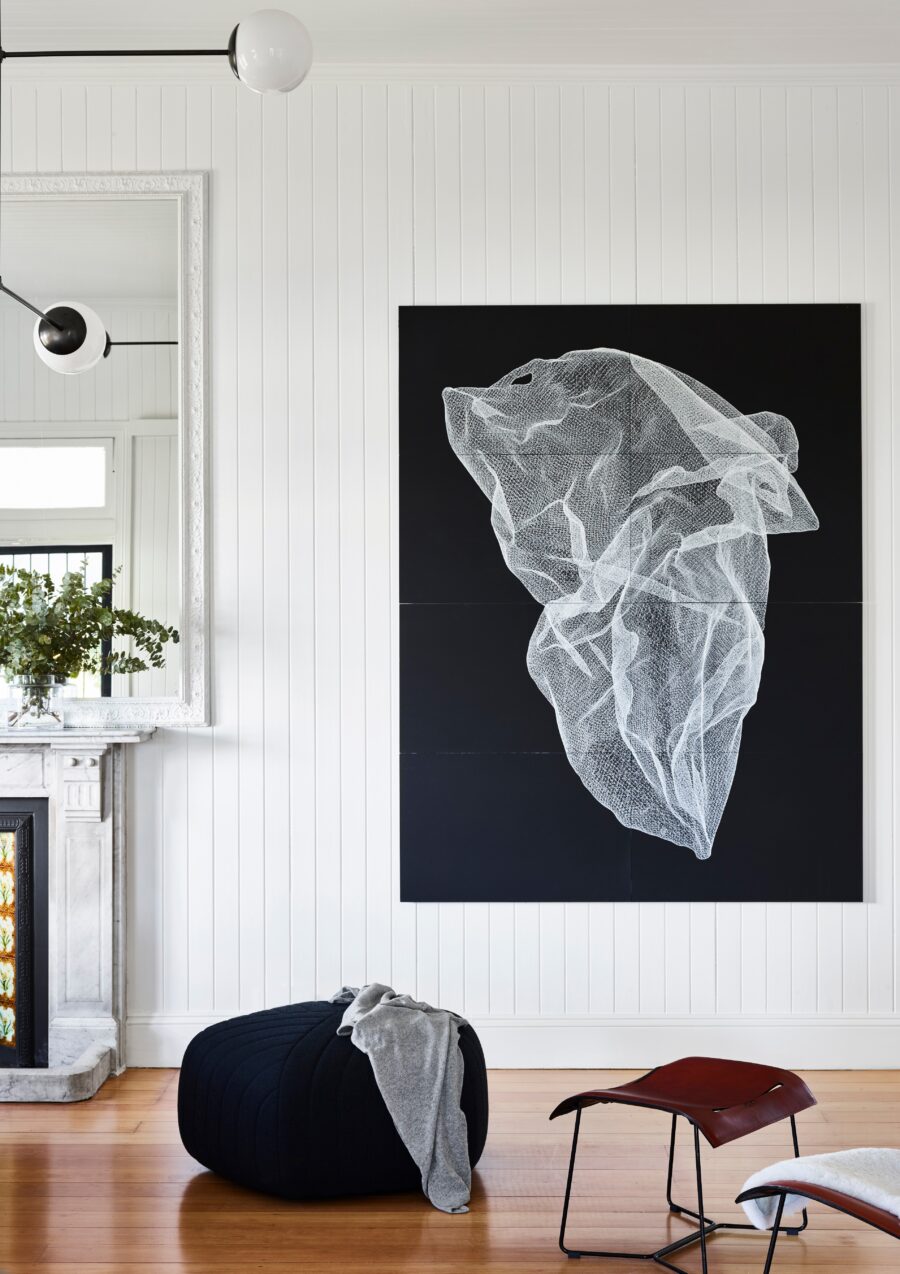
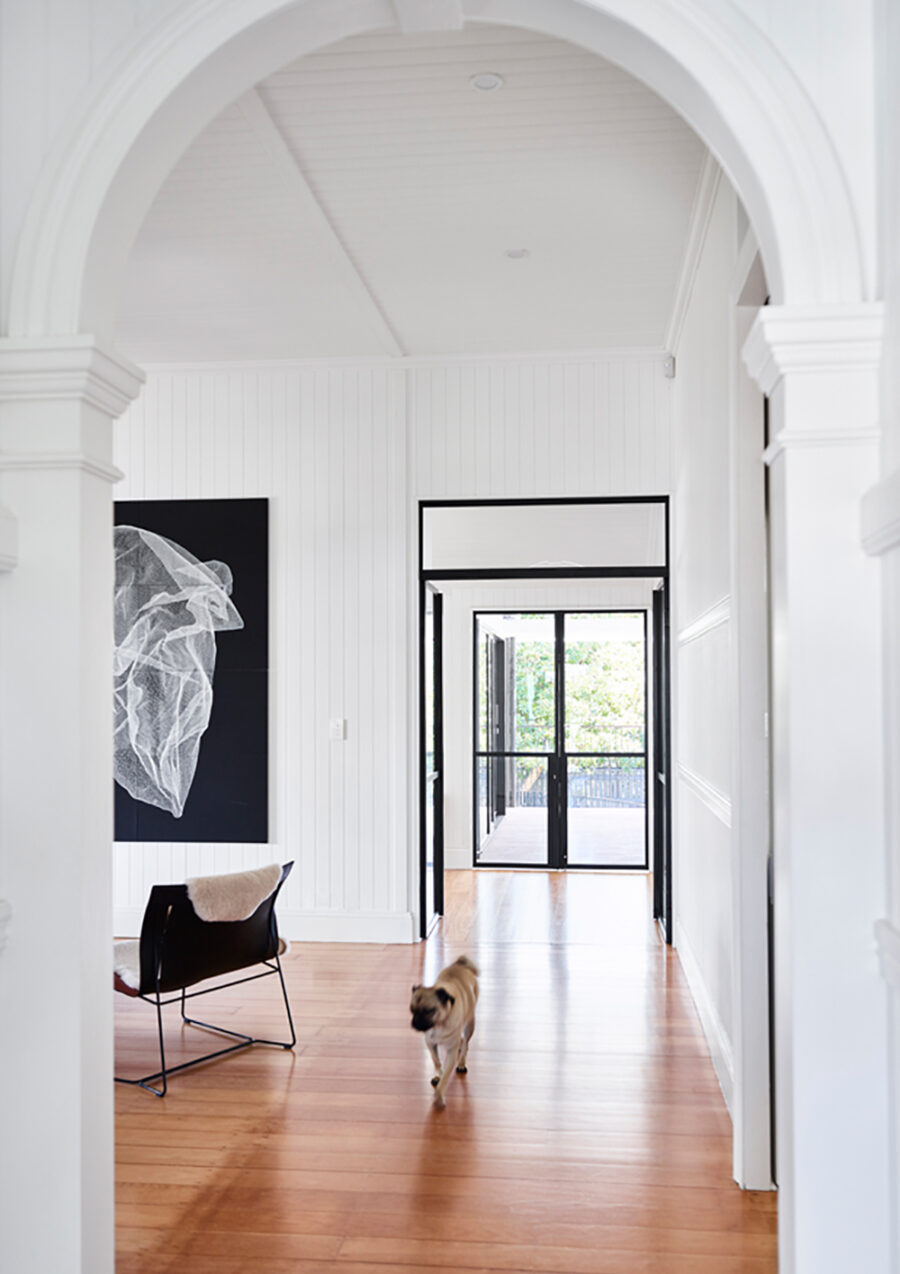
Materiality defines the relationship between existing and new. The original Queenslander remains expressed in a light palette that highlights its heritage character. The new intervention introduces darker tones of stained timber and steel. This contrast clarifies the distinction between old and new while maintaining a consistent architectural language across the project.

Each part of the house retains its own identity. The extension does not imitate the original structure. Instead, it complements it through scale, proportion, and material clarity. This approach creates a confident dialogue between heritage and contemporary architecture, rather than a blended or replicated form.

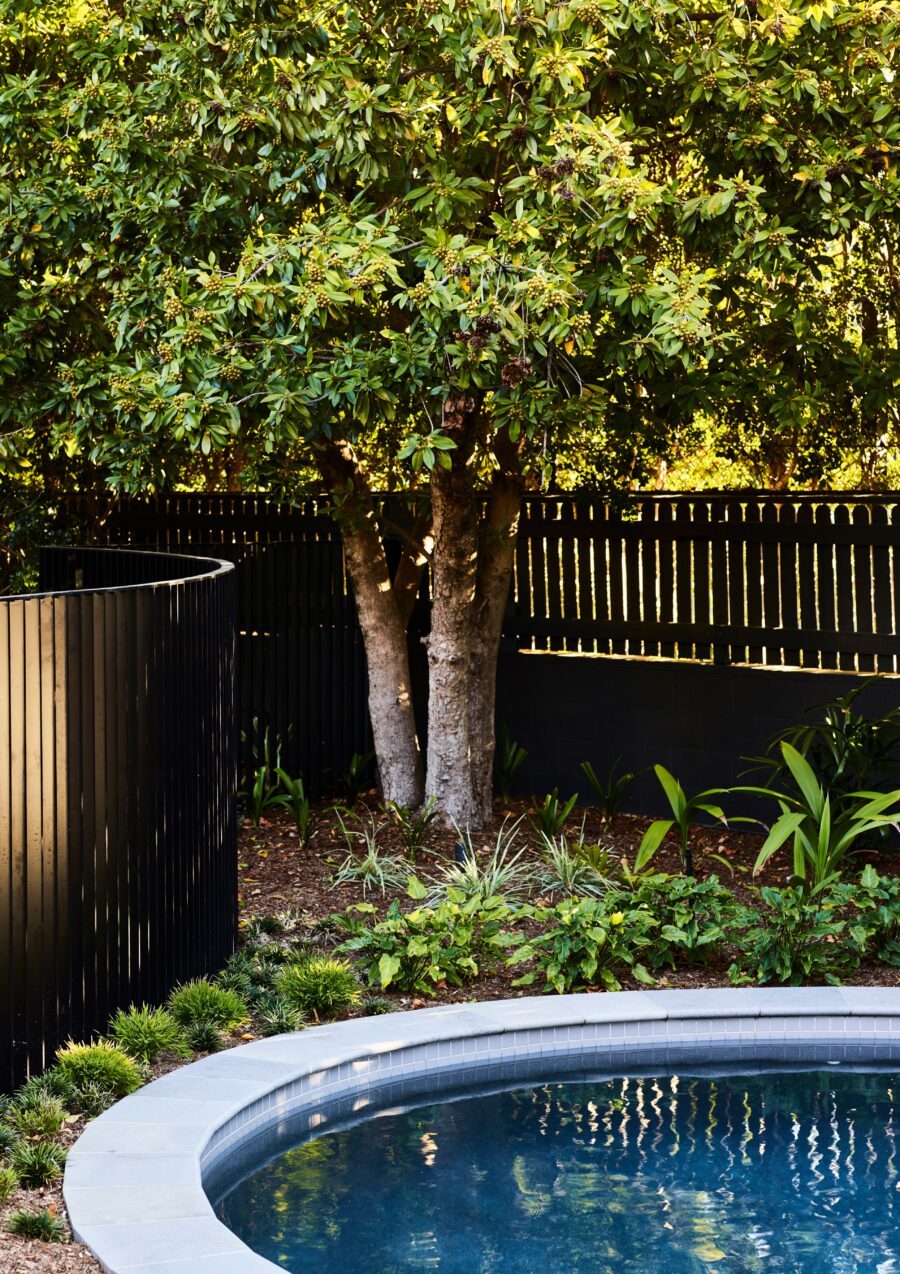
Landscape plays a central role in the experience of the home. The garden extends the living spaces and becomes an active part of daily life. Views towards planting soften the architecture and reinforce the subtropical qualities of the site. The house and garden operate as a single connected environment.

Clayfield House demonstrates how a character home renovation in Brisbane can improve liveability while respecting heritage fabric. The project shows how thoughtful planning, strong indoor-outdoor relationships, and clear material distinction between old and new can produce a contemporary family home that remains grounded in its history and its landscape context.

Clayfield House Project Details

“We engaged Alex and her team to open up the back of our house (a Queenslander) and redesign the use of spaces internally. The spaces are fantastic and suit our family perfectly.”
“Alex engages in your specific requirements and style to deliver a home specifically for you rather than a style of her own.”
Testing Materials

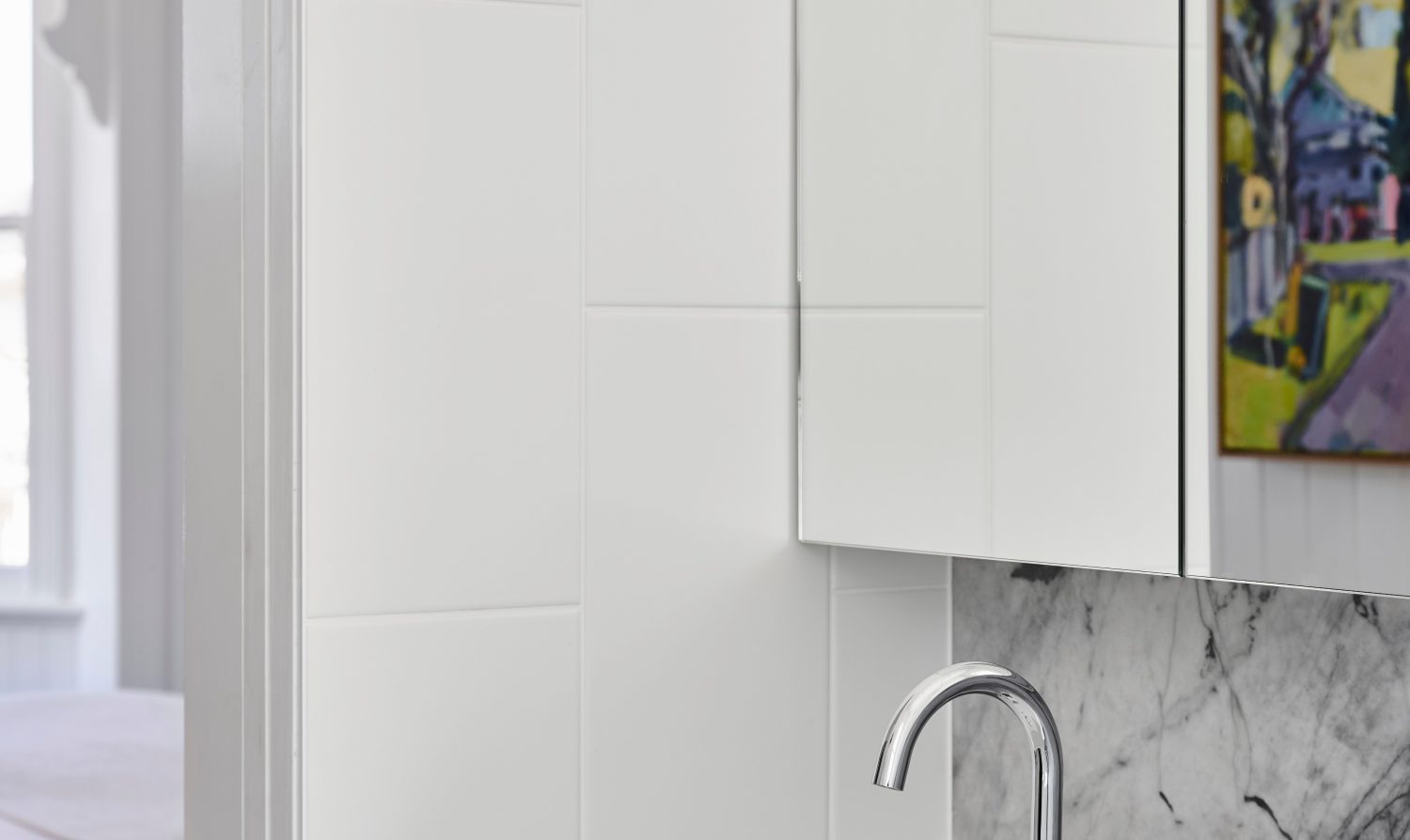
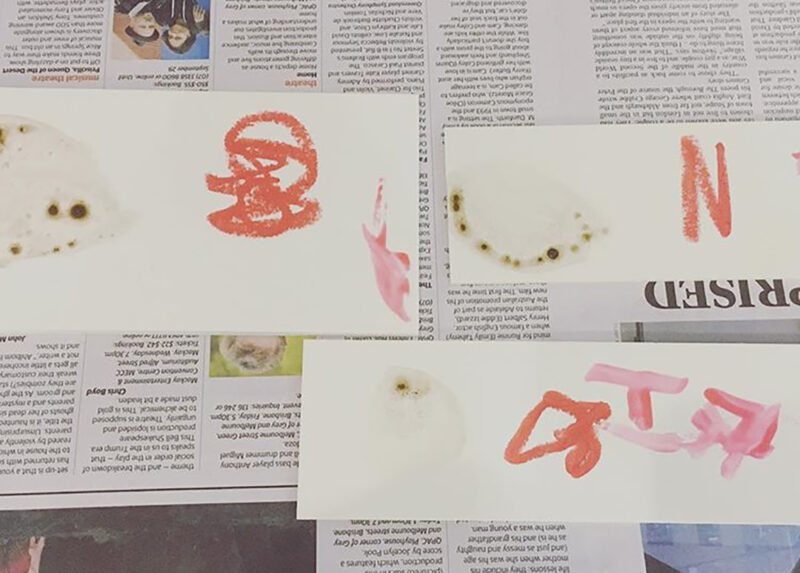
As a hard working home to Six people, including Four kids and a dog the material selections for our Clayfield House needed to work hard and be incredibly practical! We put numbers of the samples for the house to a robust teenager test (lipstick, nail polish, fake tan!) to ensure what we were selecting was going to stand the test of time.
Alexandra Buchanan Architecture Clayfield1

Interior Accents

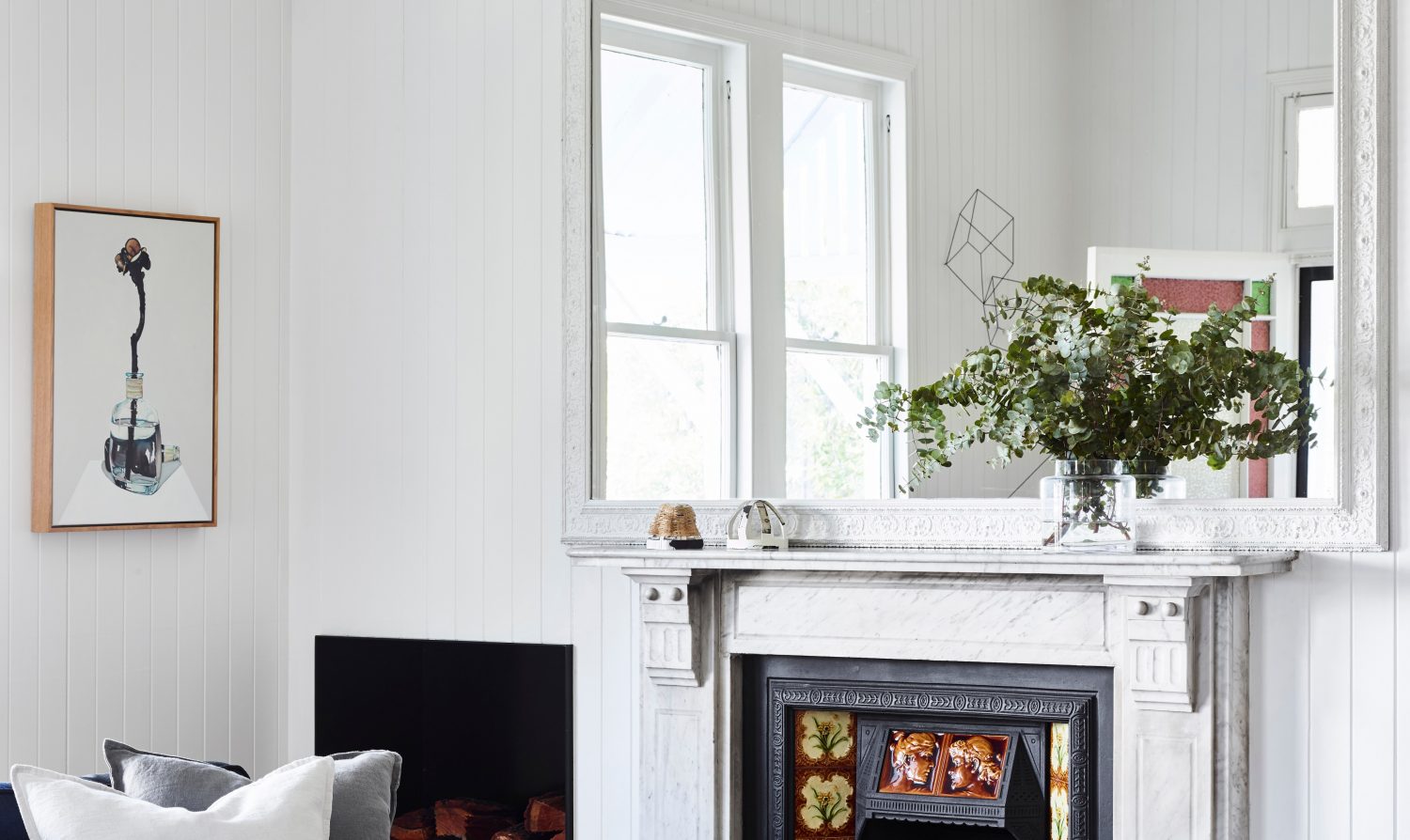
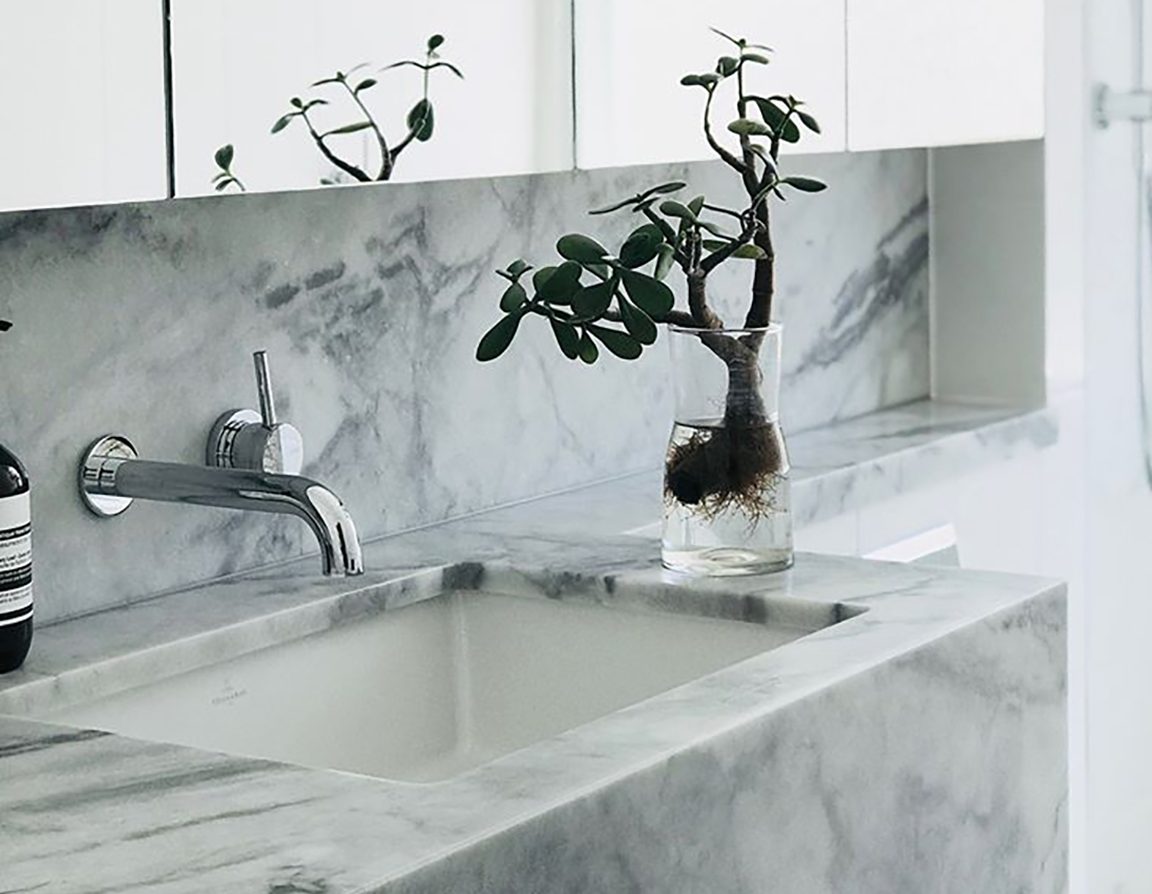
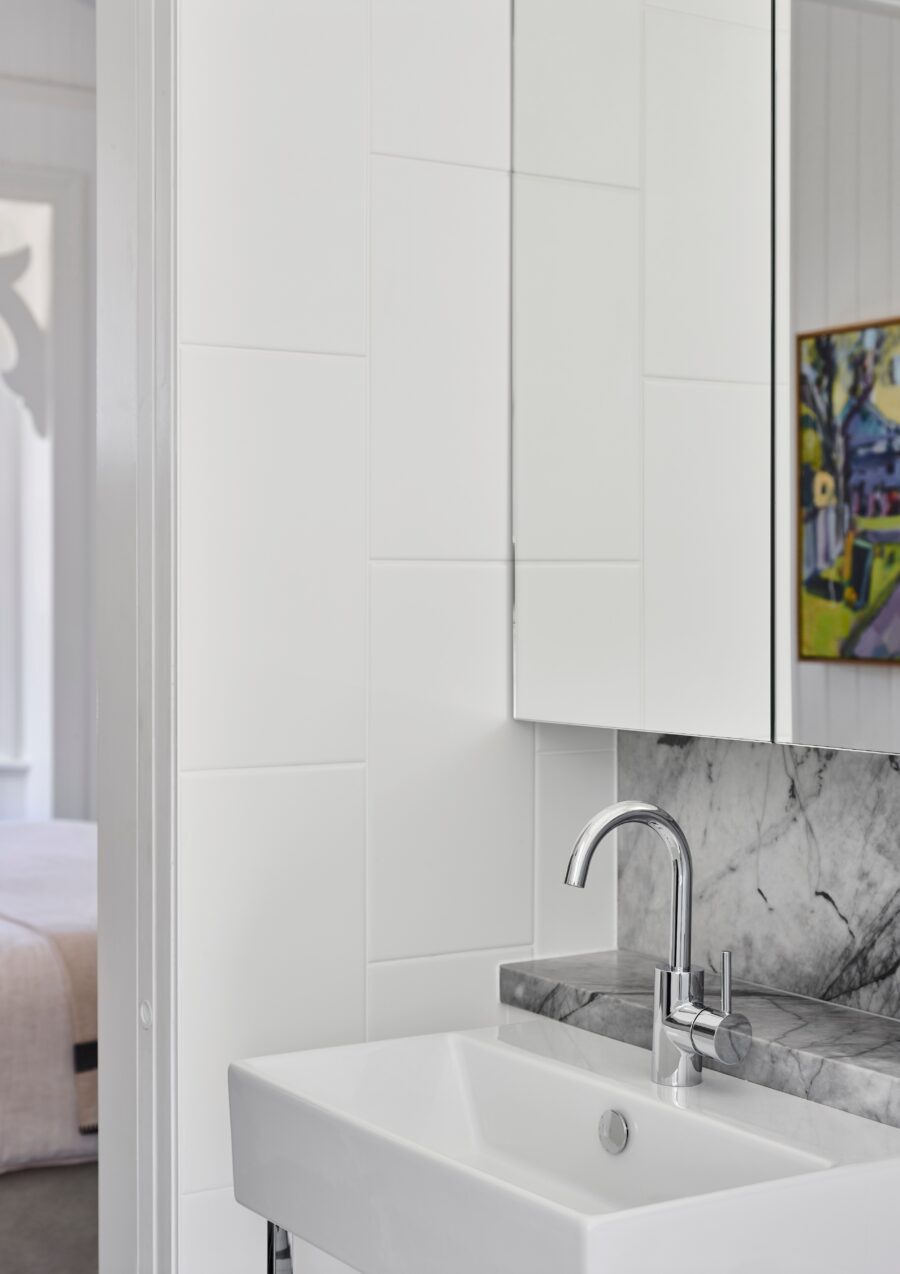
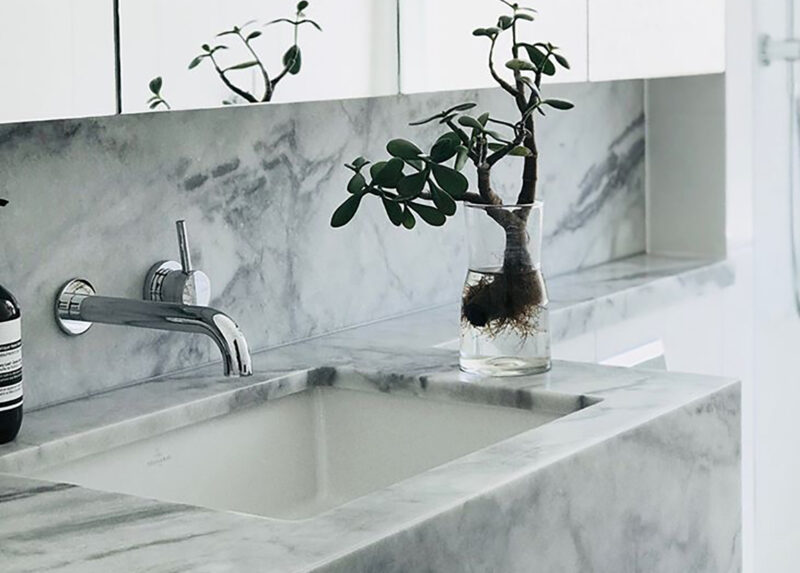
Among the restrained palette for this house was this spectacular Stone, beautifully crafted by our joiners and stonemasons.
Alexandra Buchanan Architecture Clayfield

Related Projects

View all projects