Alexandra Buchanan Architecture

Kent House

Queenslander Renovation, Teneriffe, Brisbane

 Kent House is a renovation and addition to a 1925 Queenslander in Teneriffe, Brisbane, completed in 2024 by Alexandra Buchanan Architecture. The project transforms a compact inner-urban site with steep topography, tight boundaries, and an established residential context. The design retains the original cottage and adds a contemporary extension that expands space, improves environmental performance, and enhances everyday family life.

The project sits within a wider discussion about how Brisbane’s historic housing stock can evolve. The design team avoids treating the Queenslander as a static object. Instead, the team extends its life through adaptation and addition. The design balances heritage character with contemporary living needs.

On a site that presents clear constraints. The narrow allotment limits horizontal expansion. The steep slope challenges conventional planning. Close neighbours restrict outlook and privacy. These constraints shape a more precise approach to planning, section, and spatial organisation. The design team responds with spatial clarity and careful calibration.

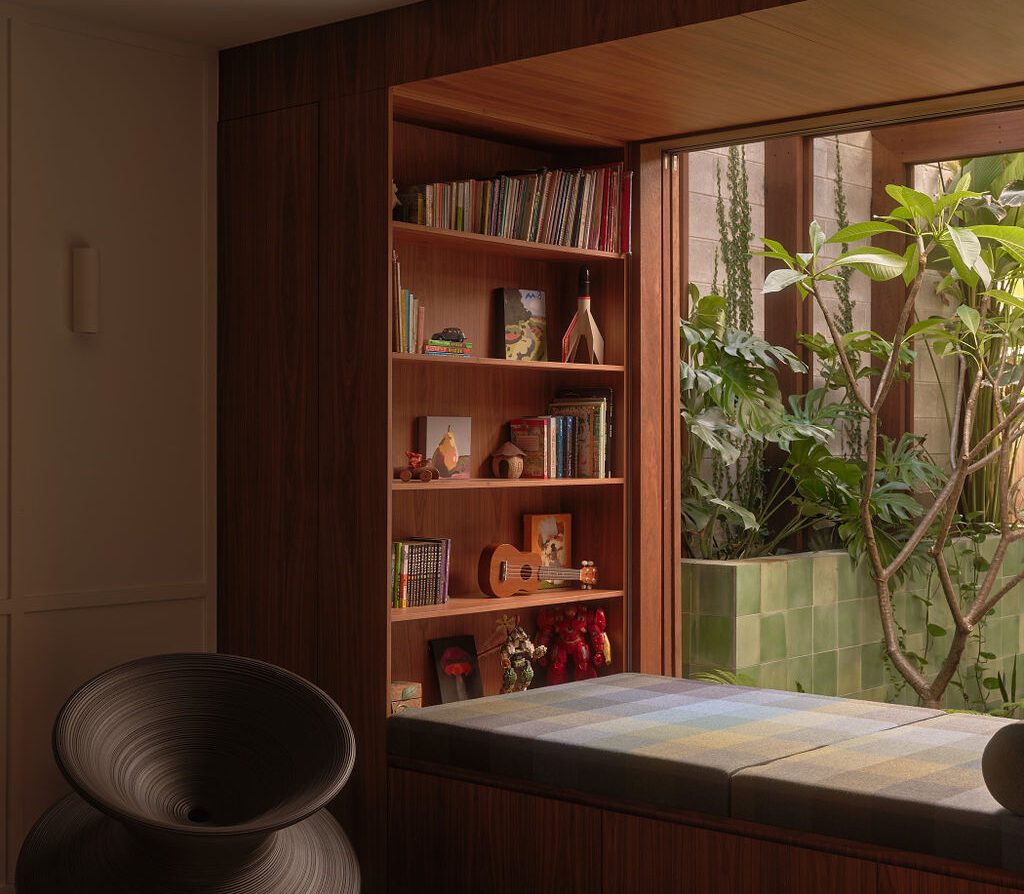
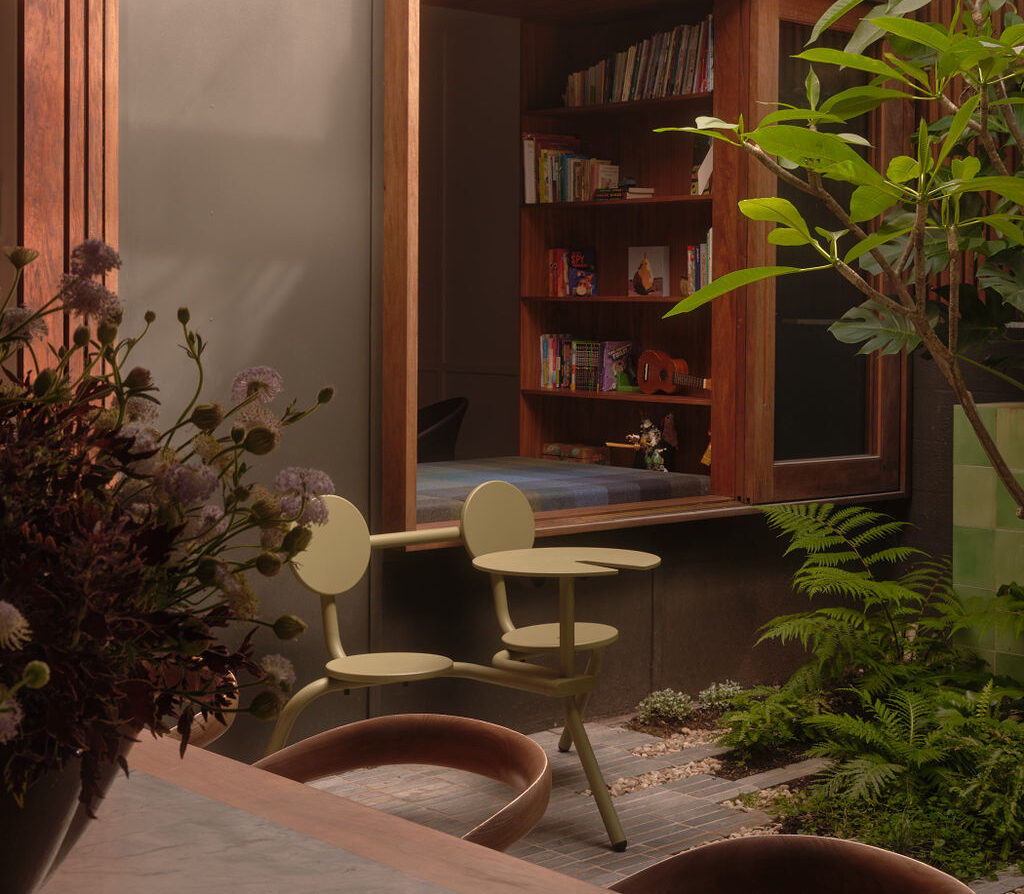
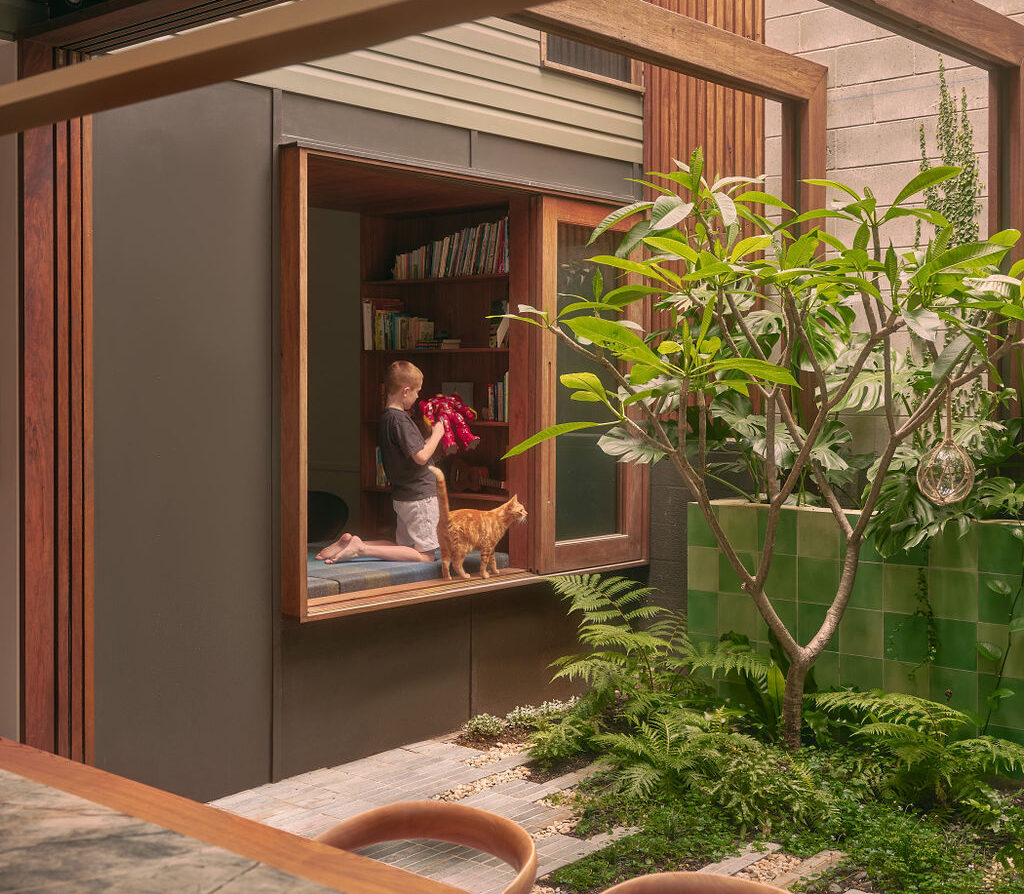
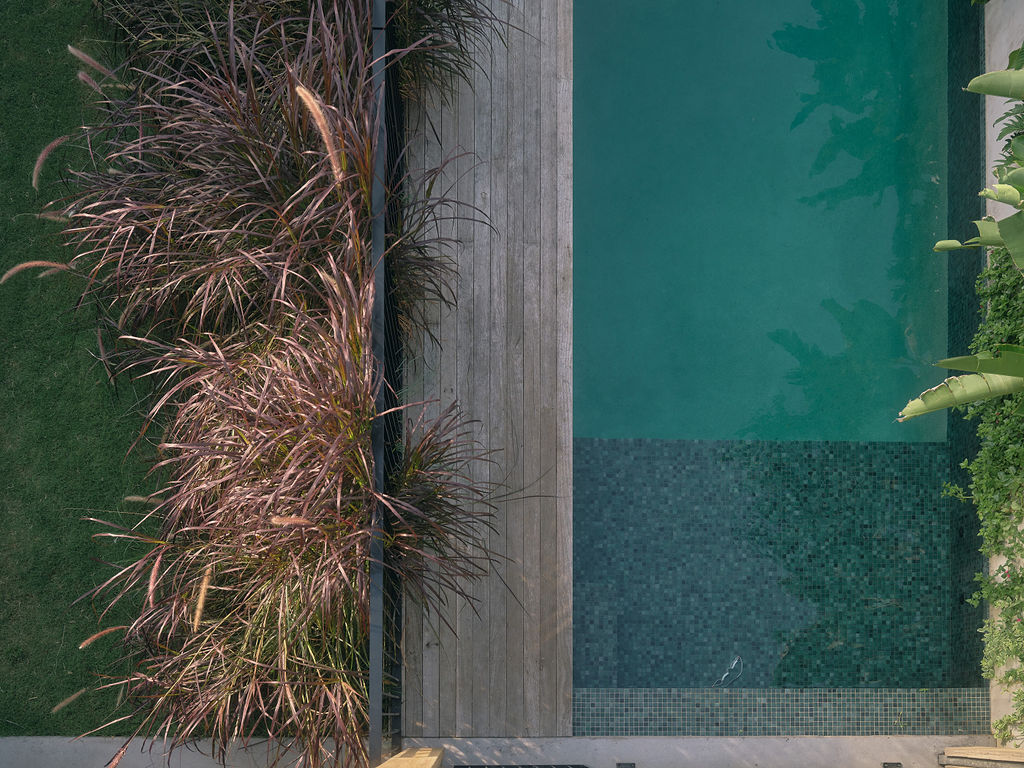
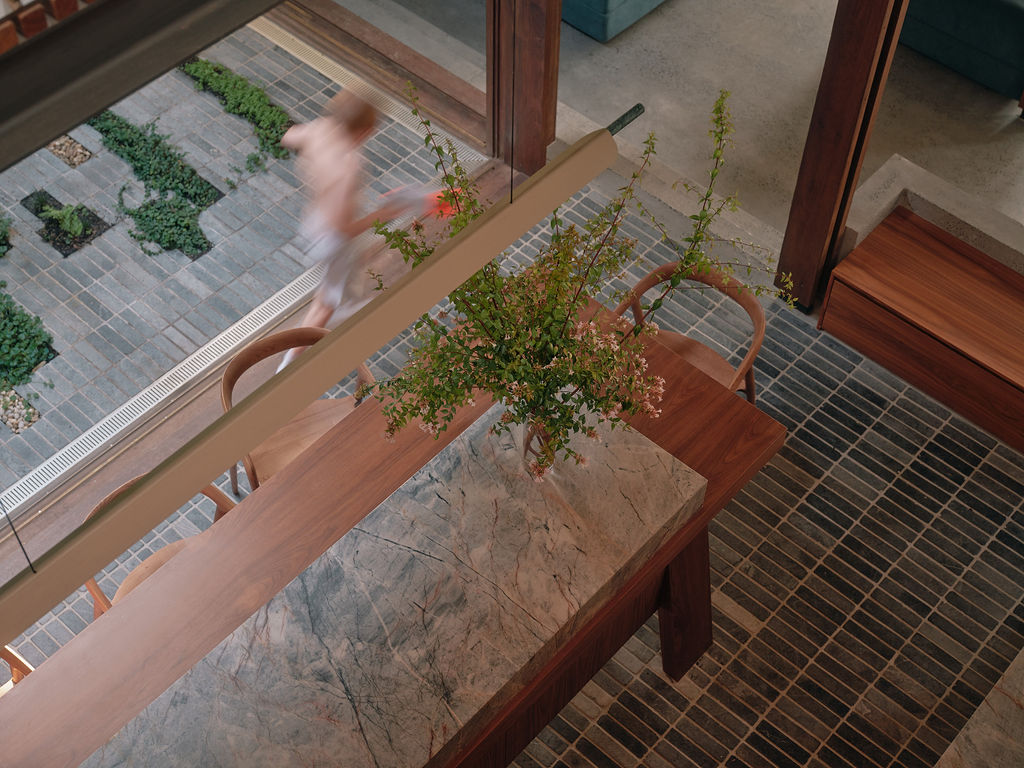
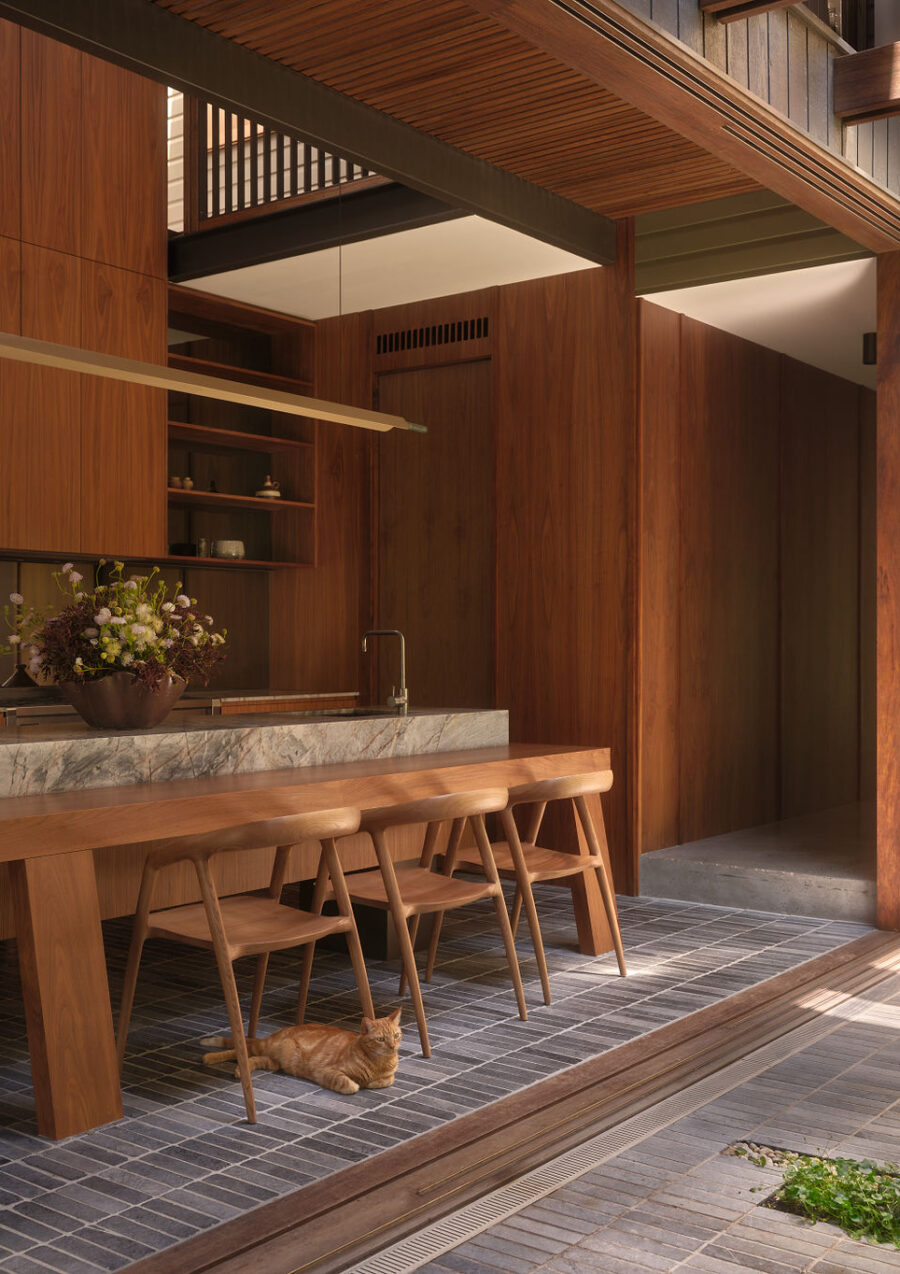
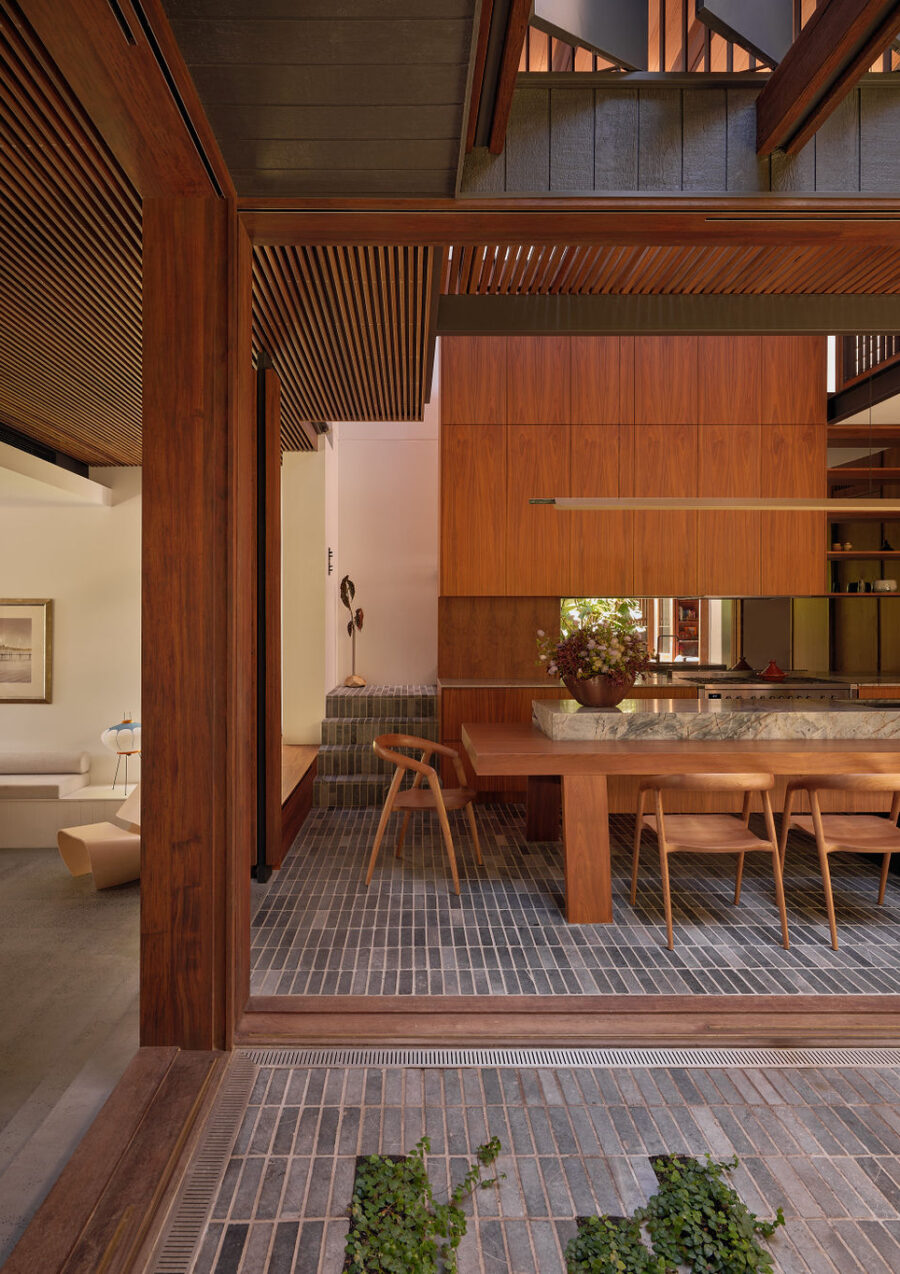
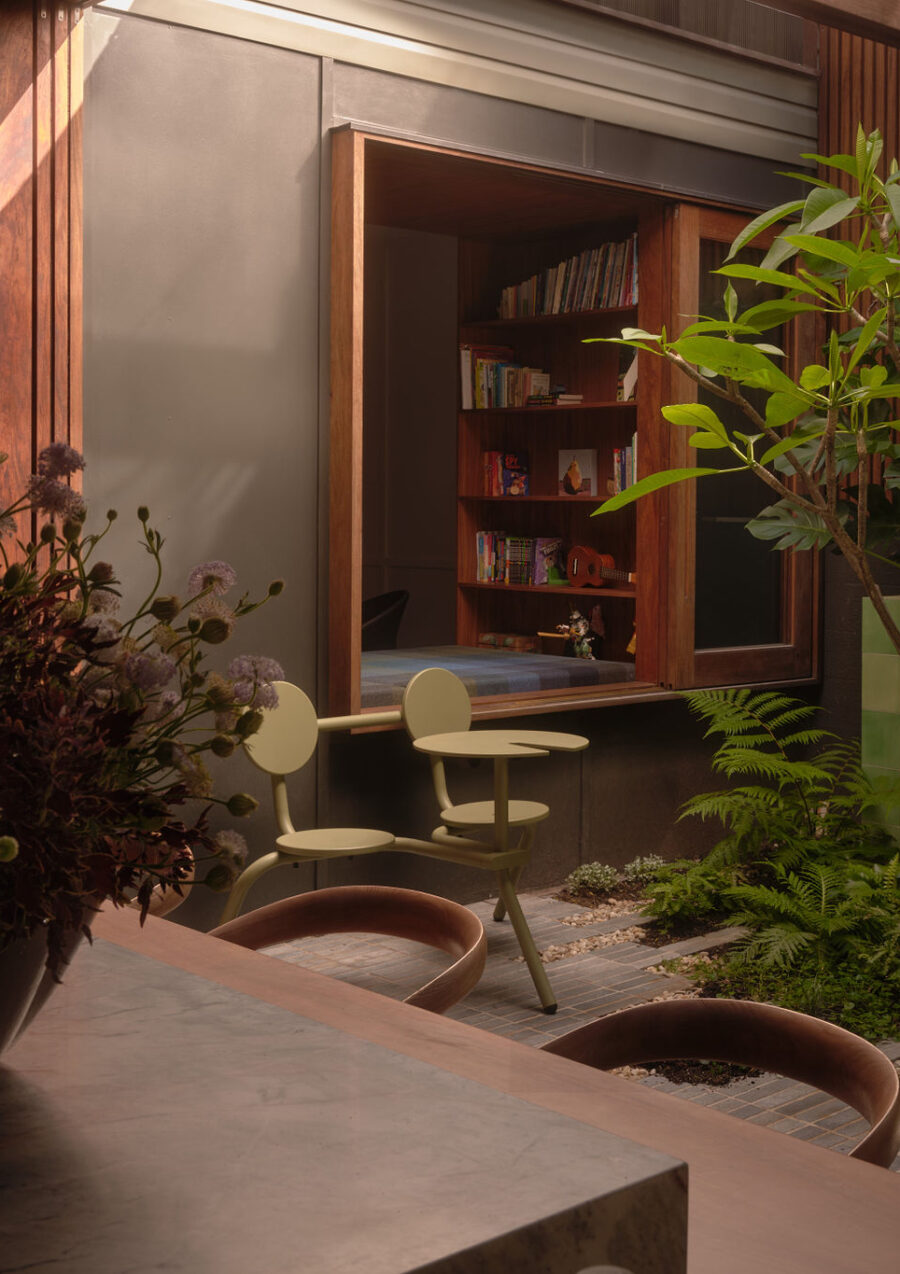
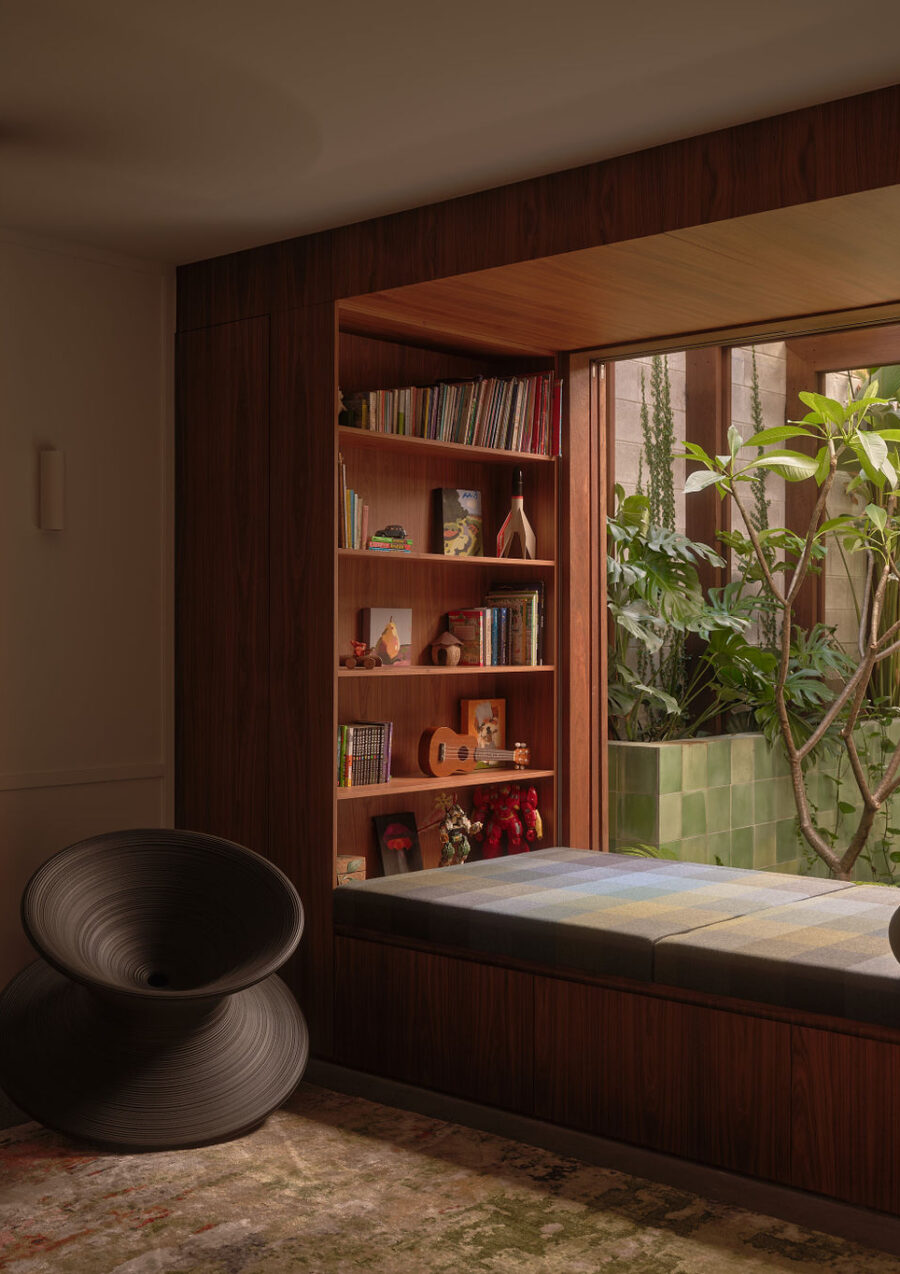
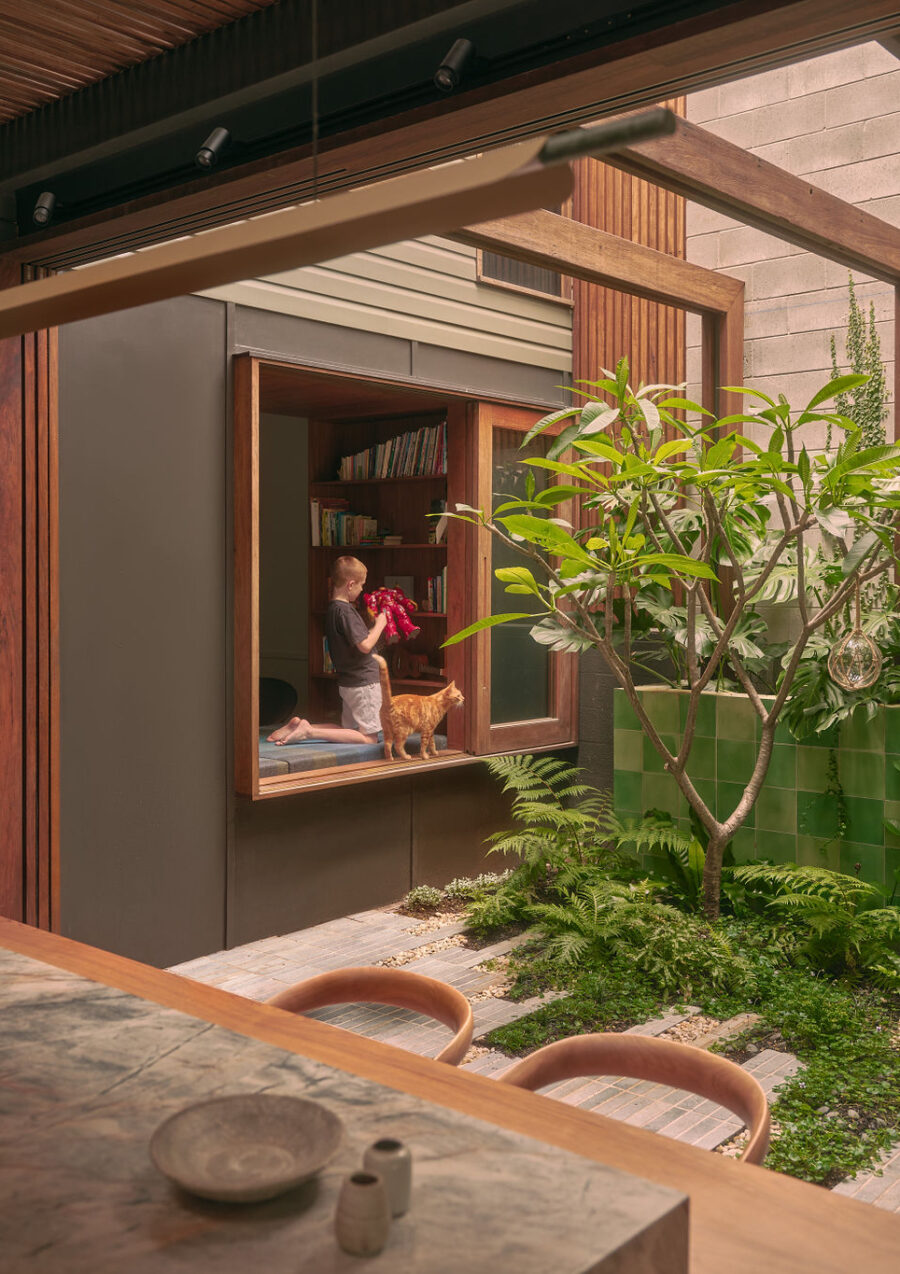
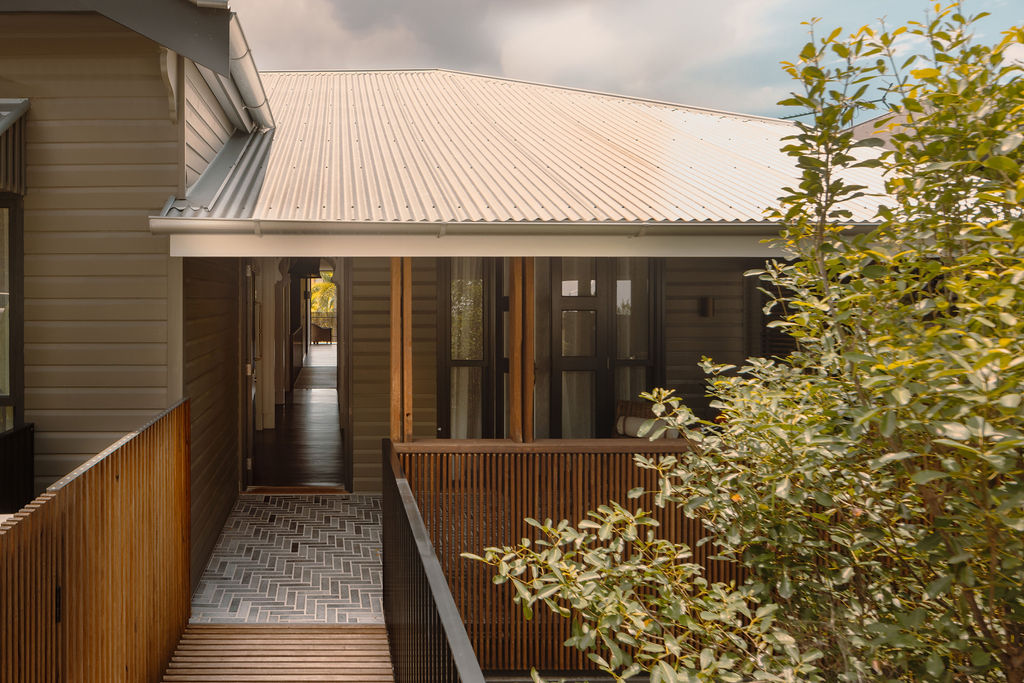
A central courtyard forms the heart of the home. The courtyard drives the plan and defines circulation. It brings daylight deep into the house. It supports cross-ventilation across both old and new spaces. It also maintains a constant visual link between interior rooms and landscape. The courtyard responds directly to Brisbane’s subtropical climate.

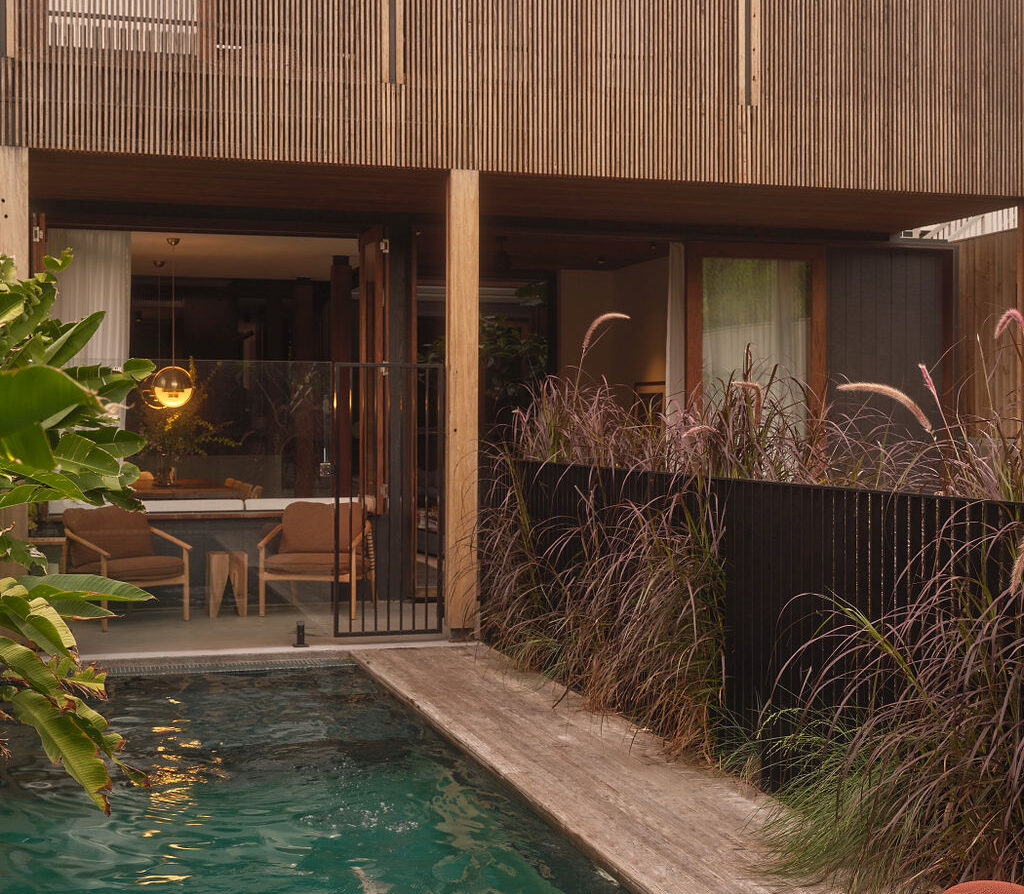
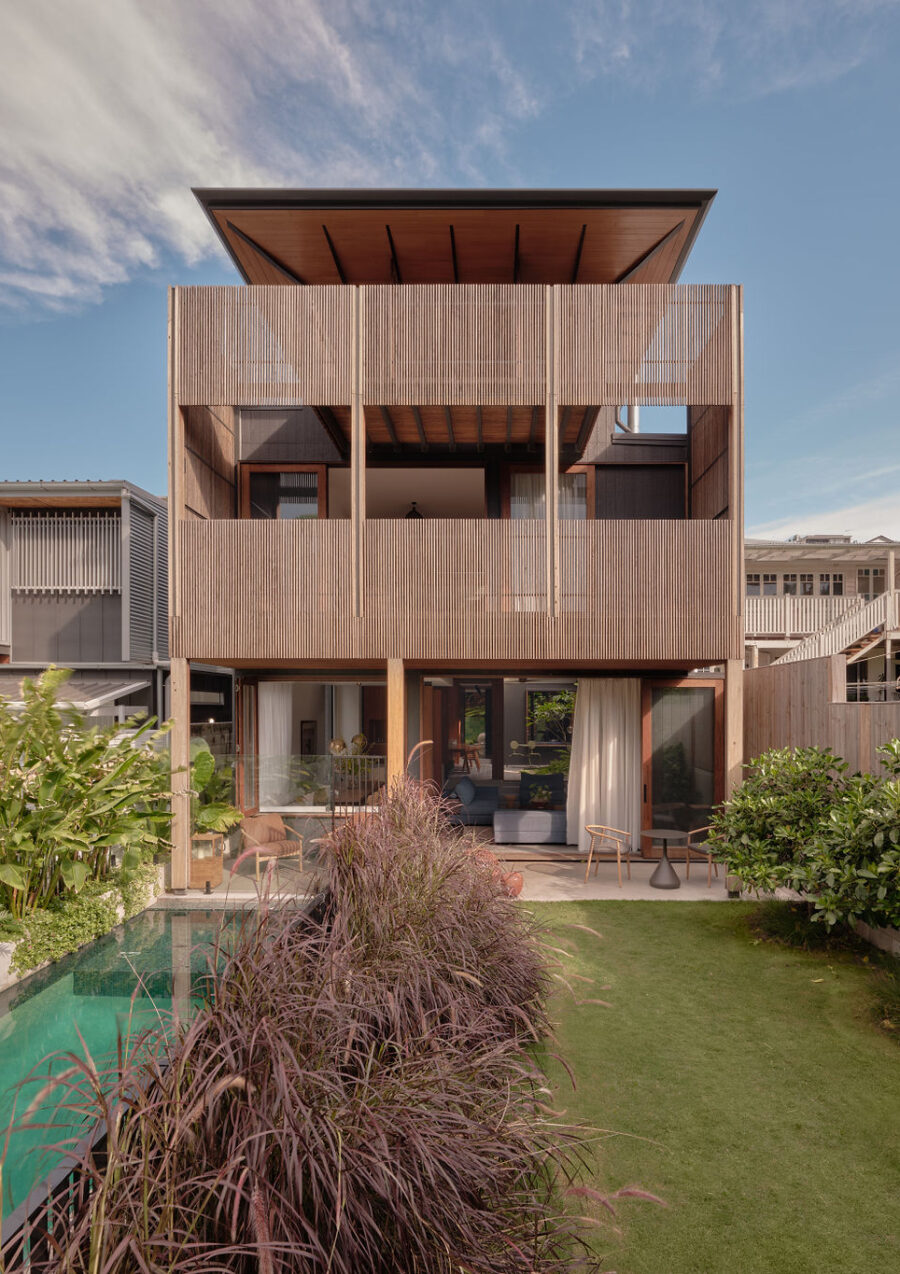
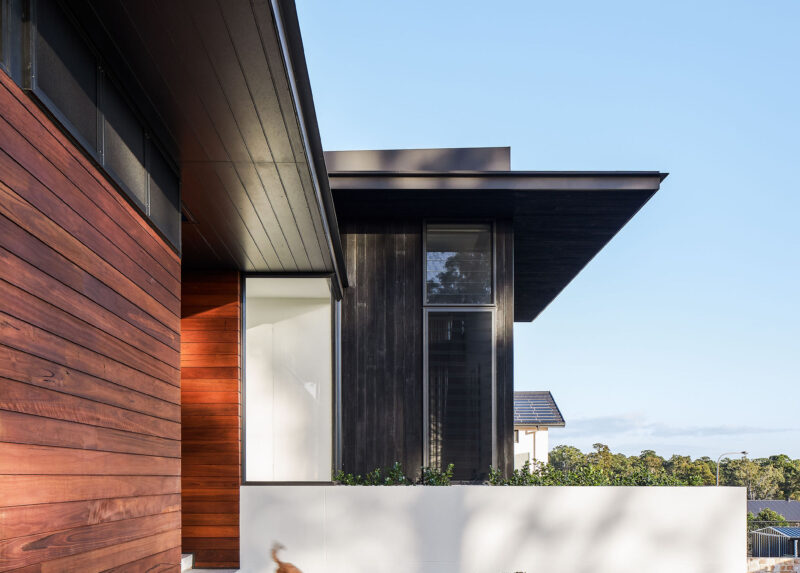
Kent separates old and new into two clear volumes. The original Queenslander remains intact and legible. The new addition sits alongside it with equal clarity. Both volumes sit above a continuous landscaped ground plane. The composition respects the existing home while allowing contemporary expansion.

There is a priority for clarity over complexity. The original cottage retains its form and identity. The new addition avoids imitation. Instead, it presents a contemporary architectural response. The two parts sit in dialogue without merging into a single expression.

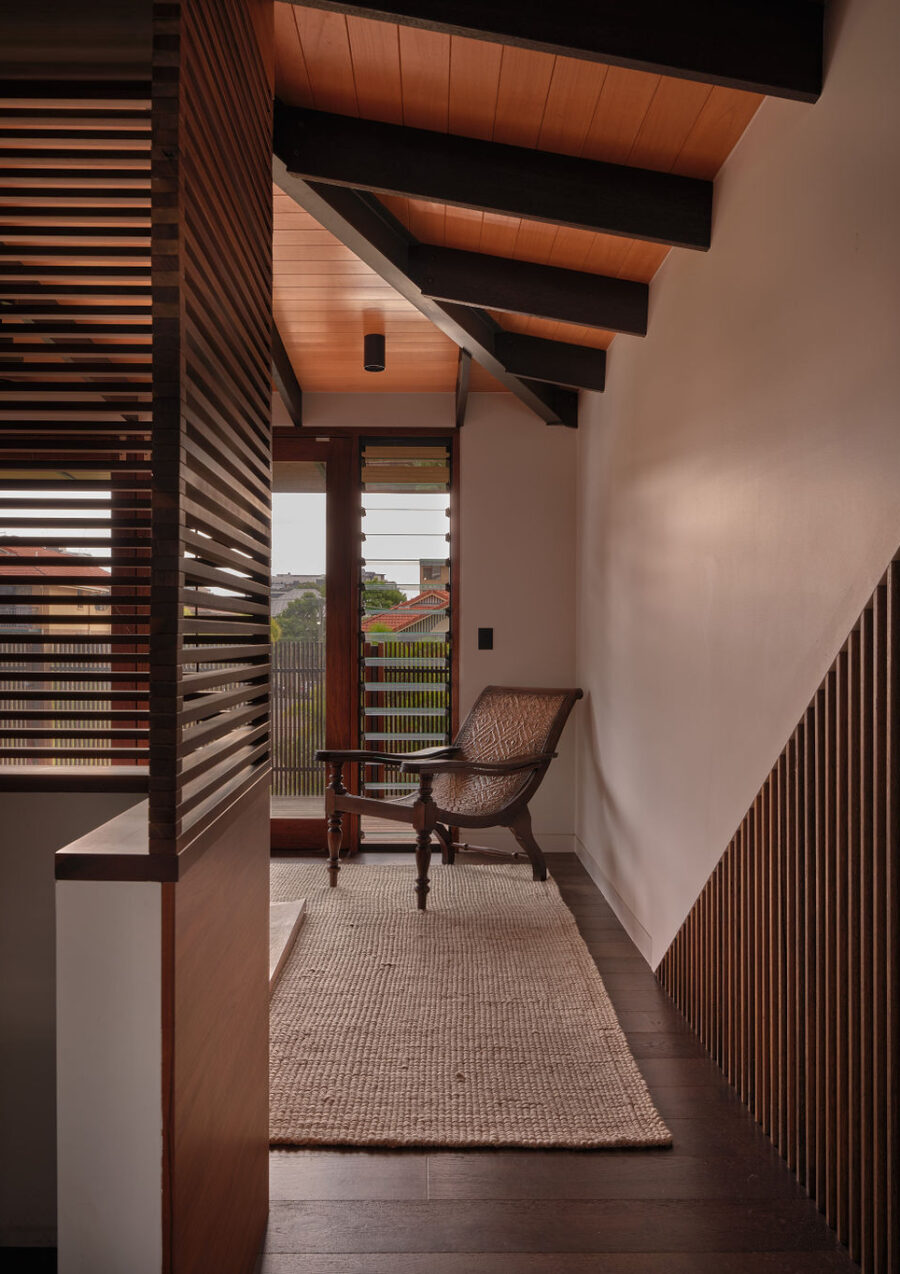
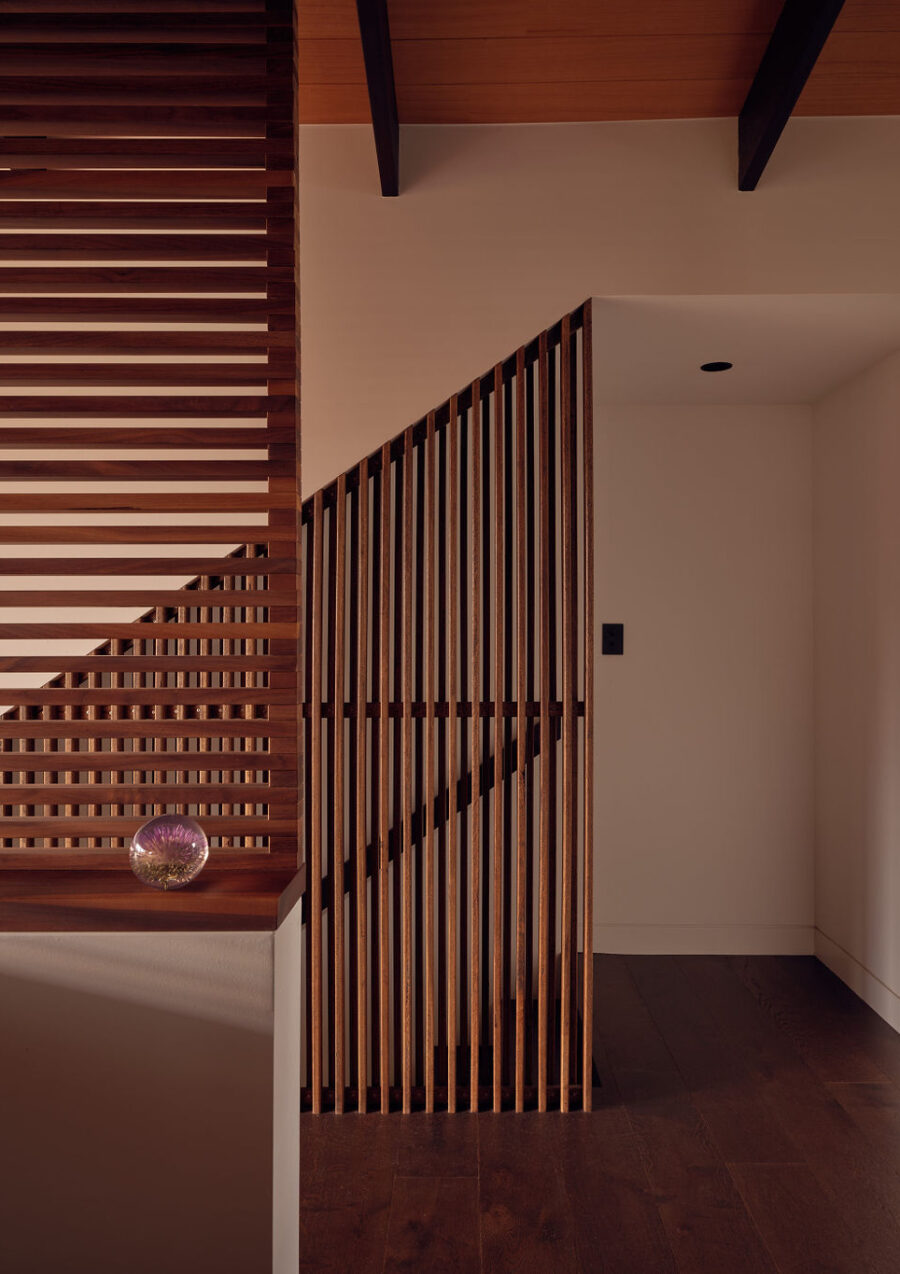
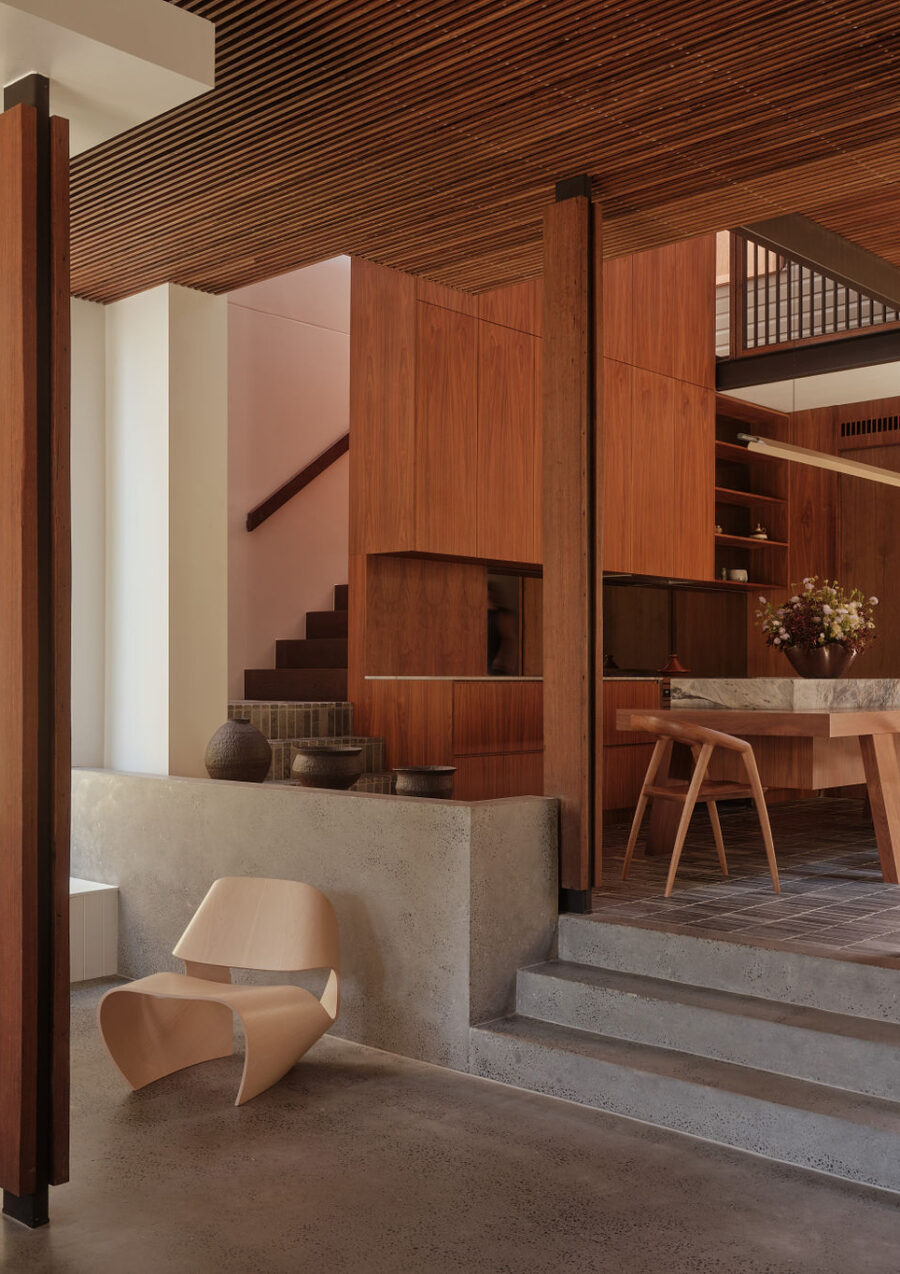
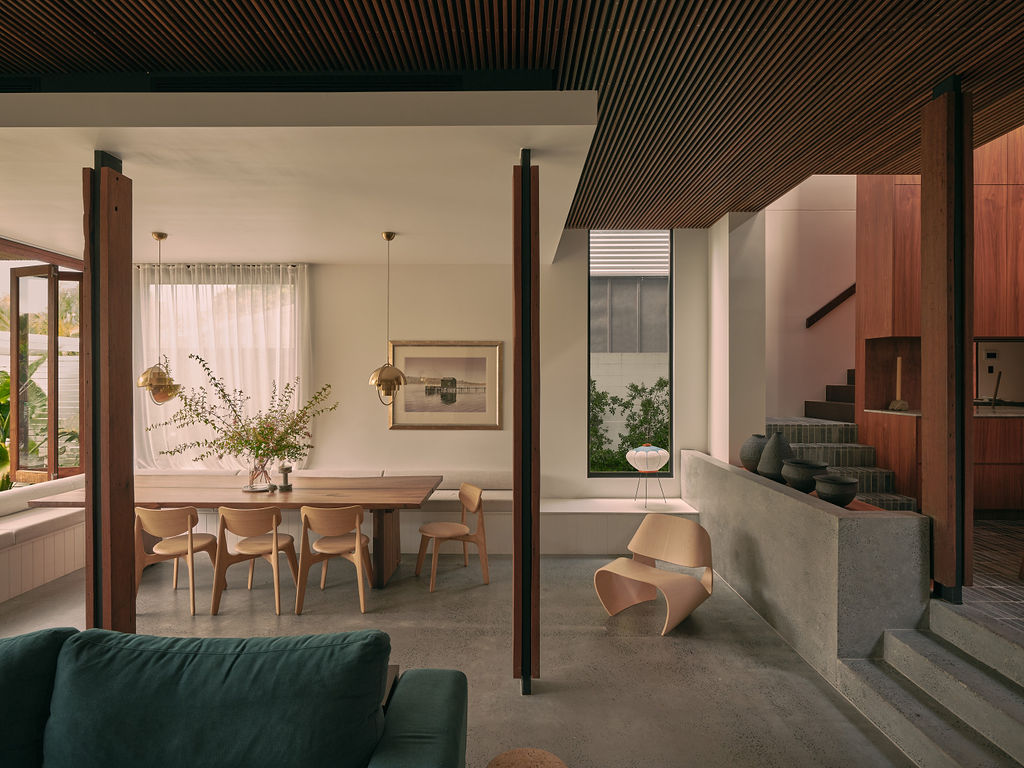
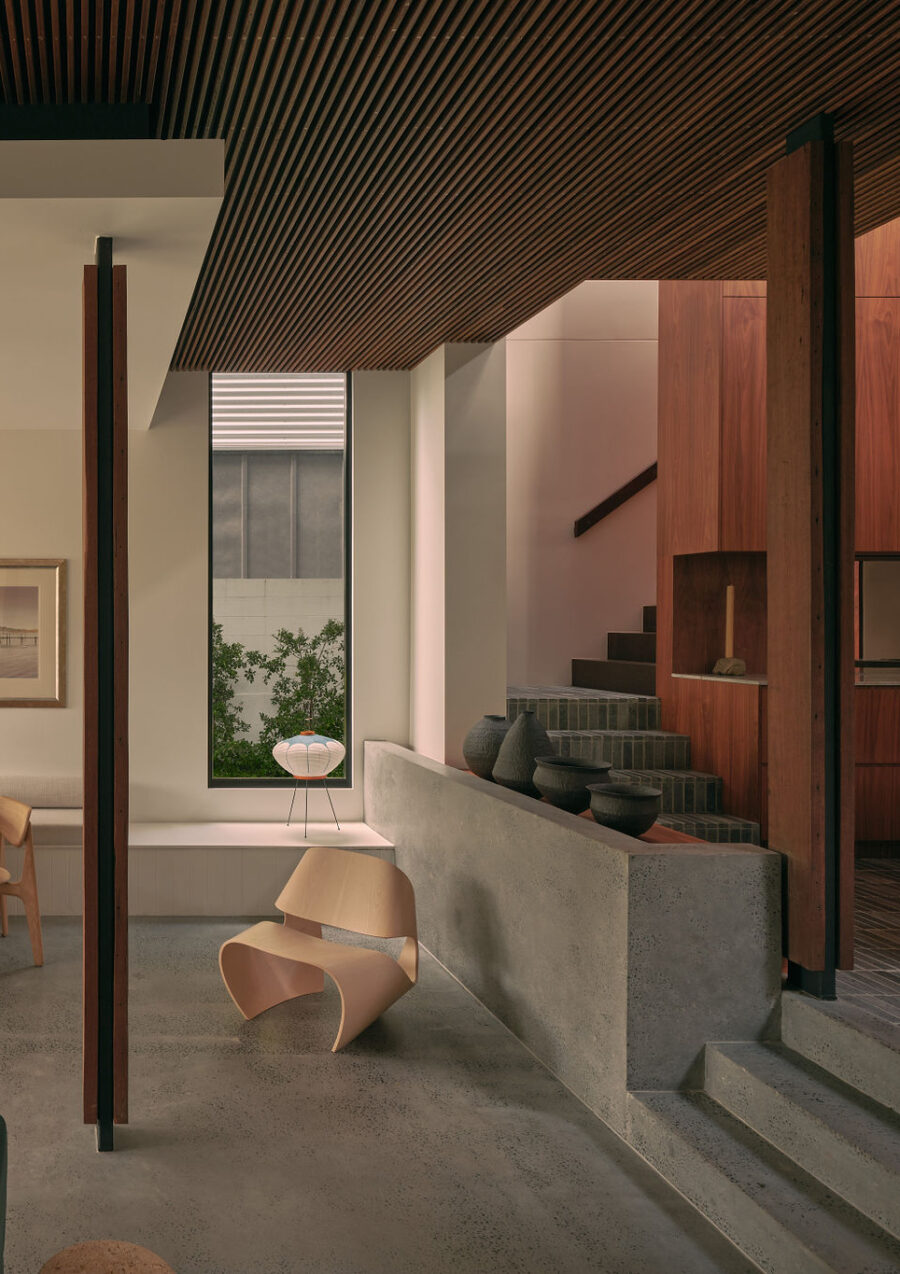
The site slope shapes the section. The design uses level changes to guide movement. Spaces unfold gradually through the home. Each level shift creates a distinct spatial moment. This approach improves orientation and flow. It also connects the home more closely to the landscape.

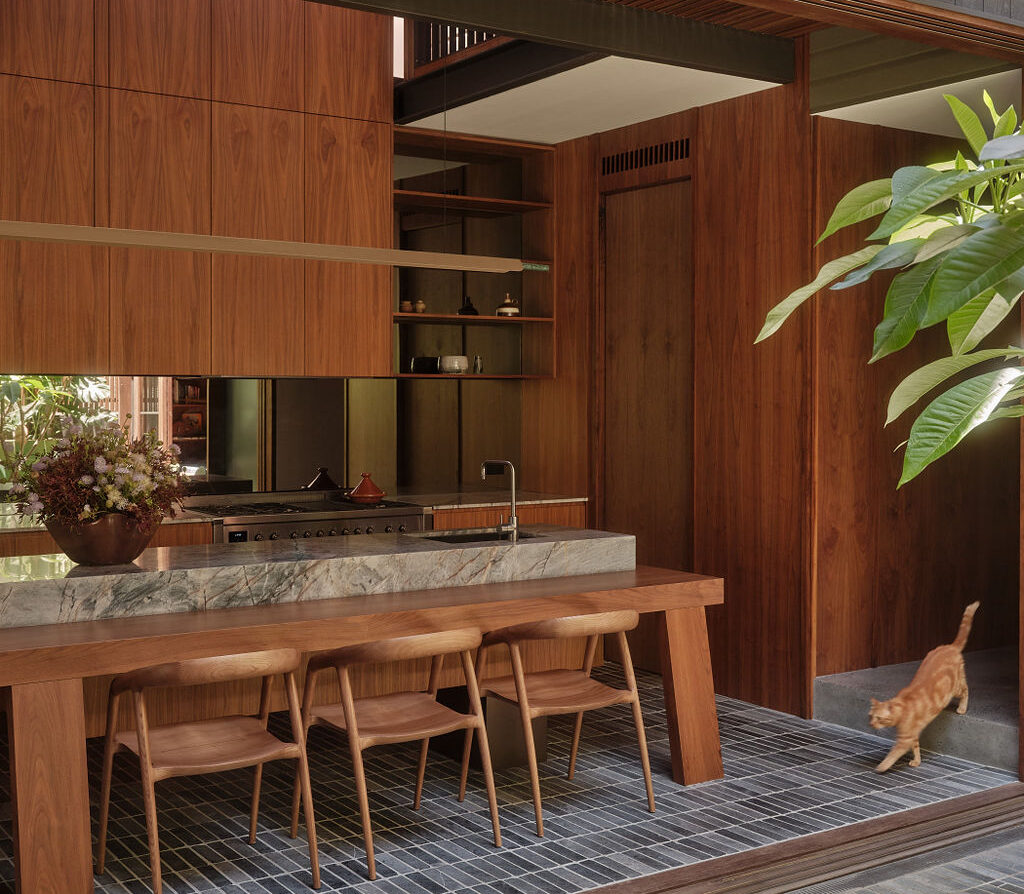
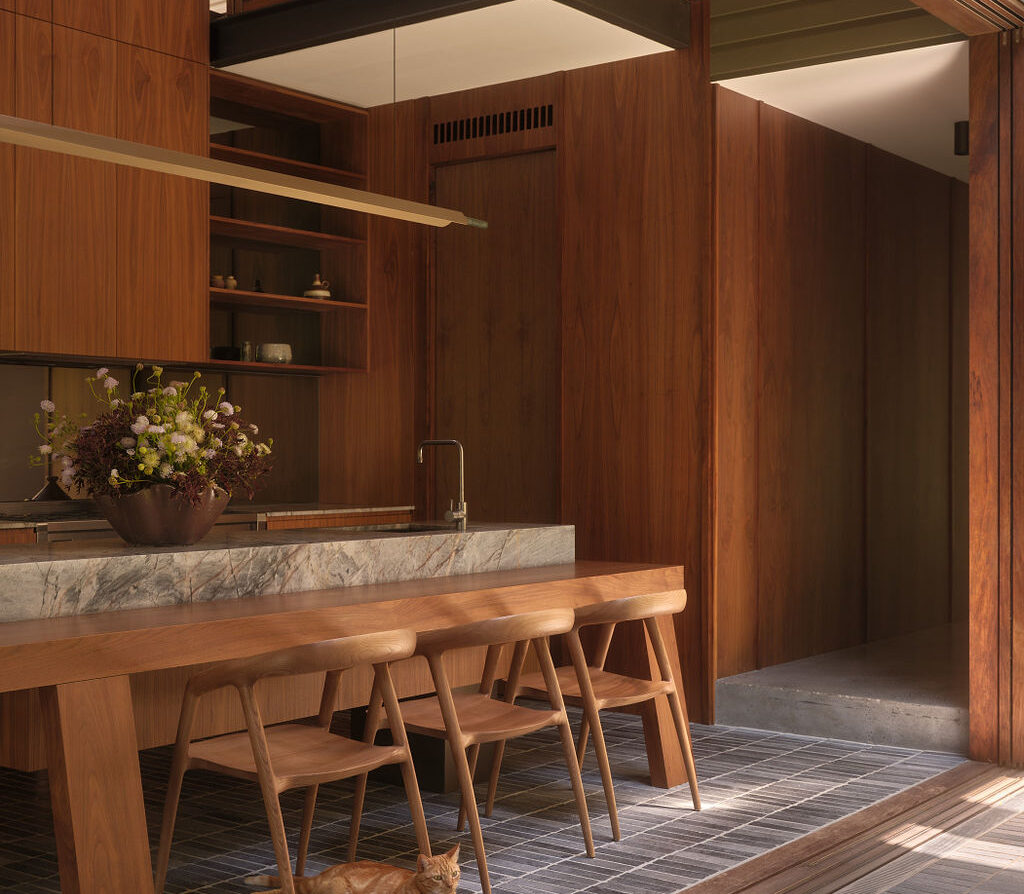
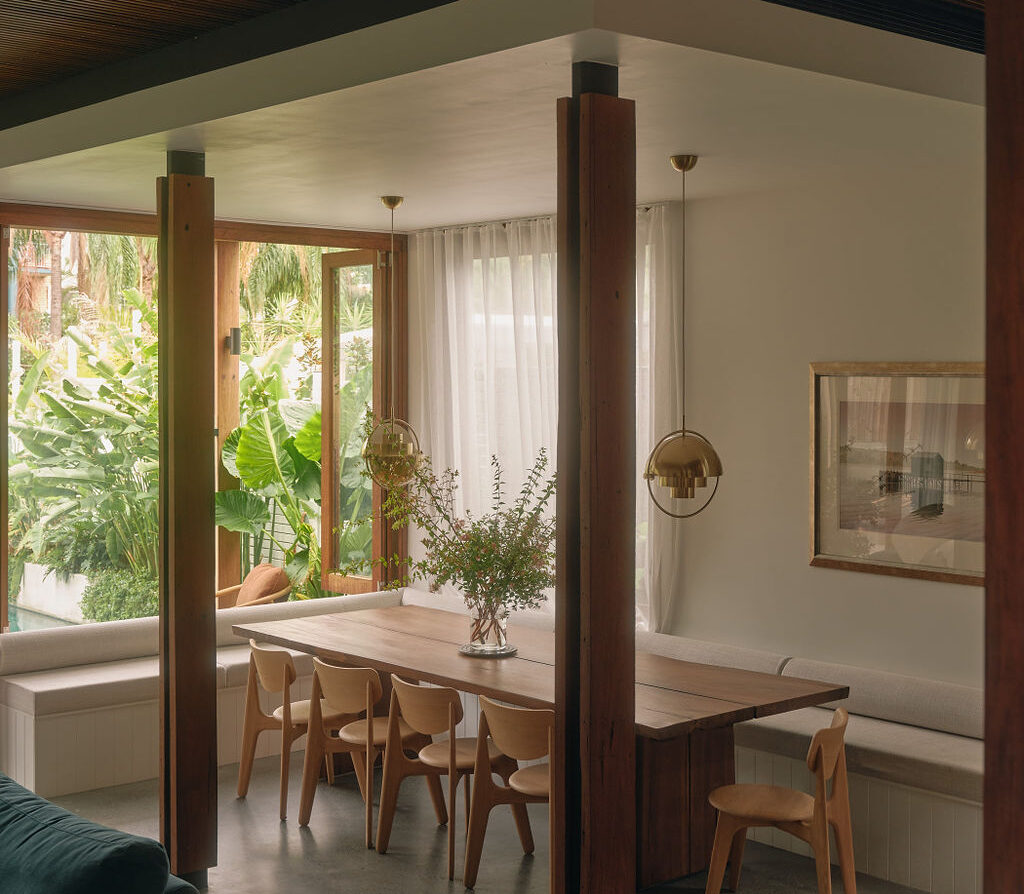
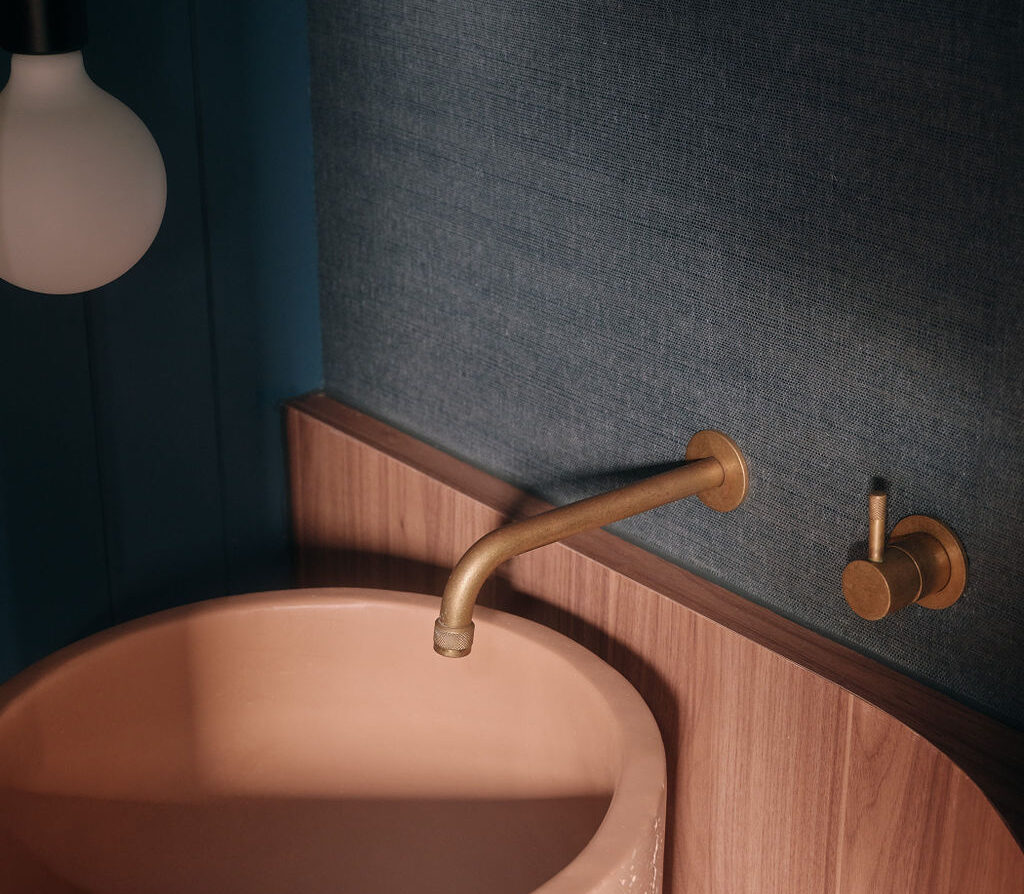
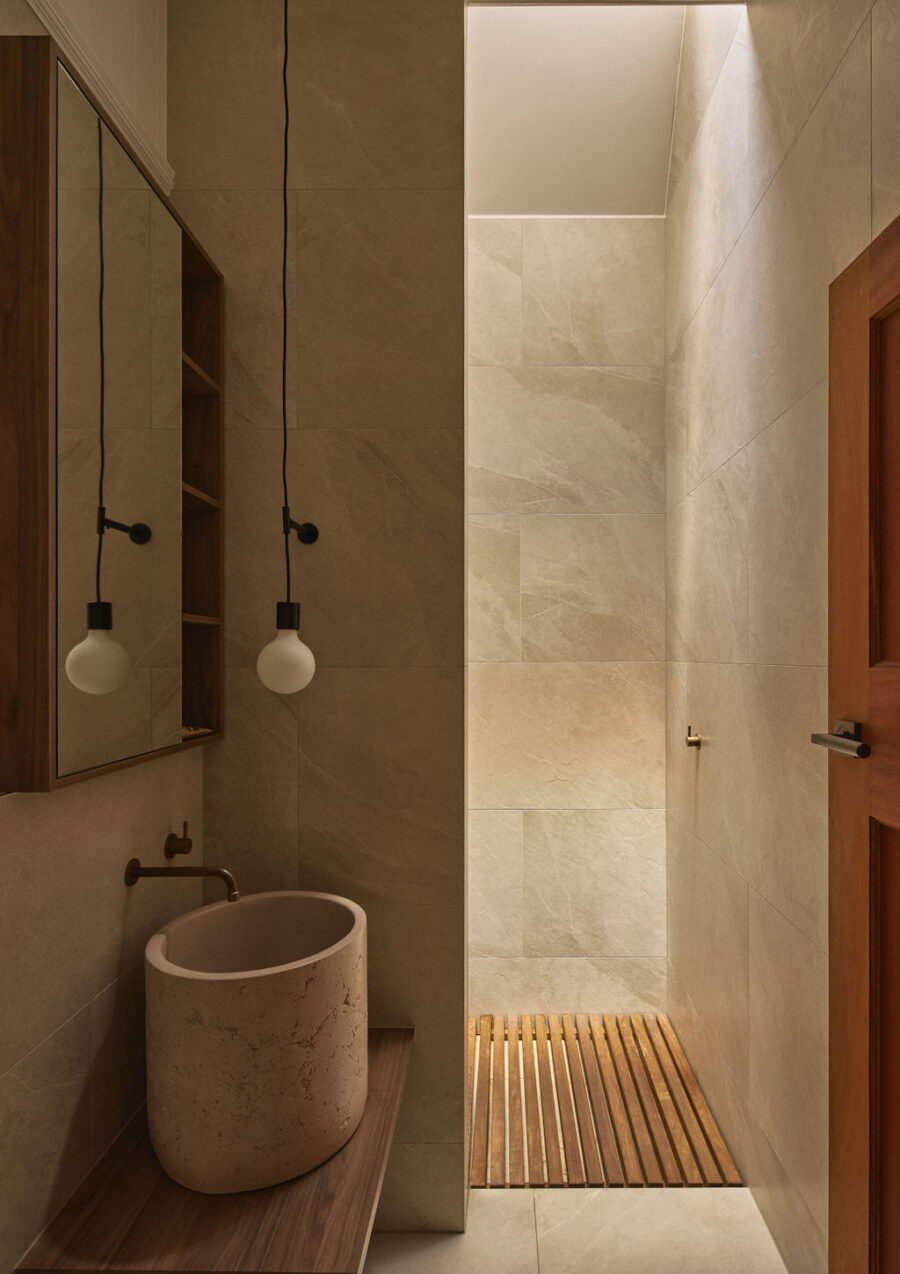
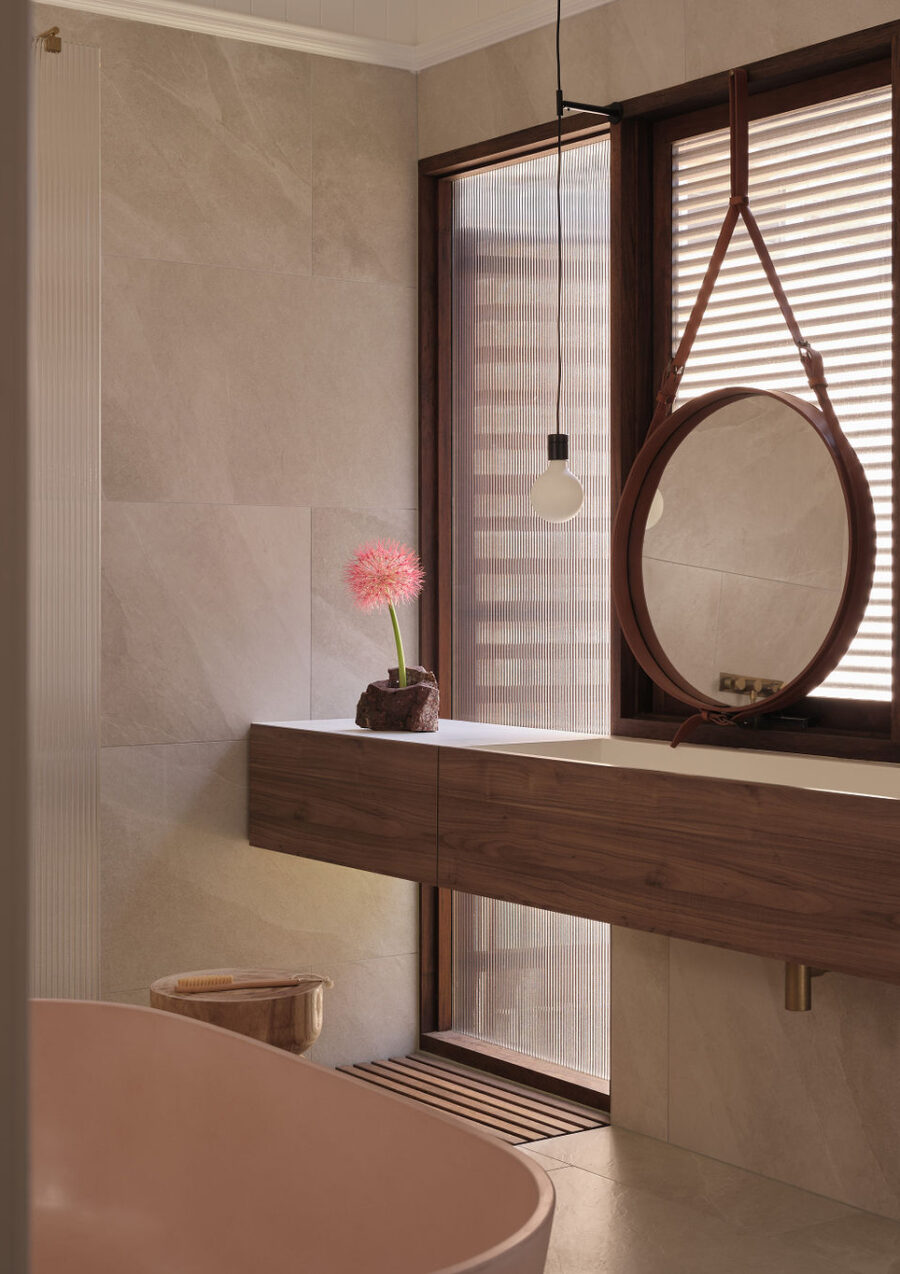
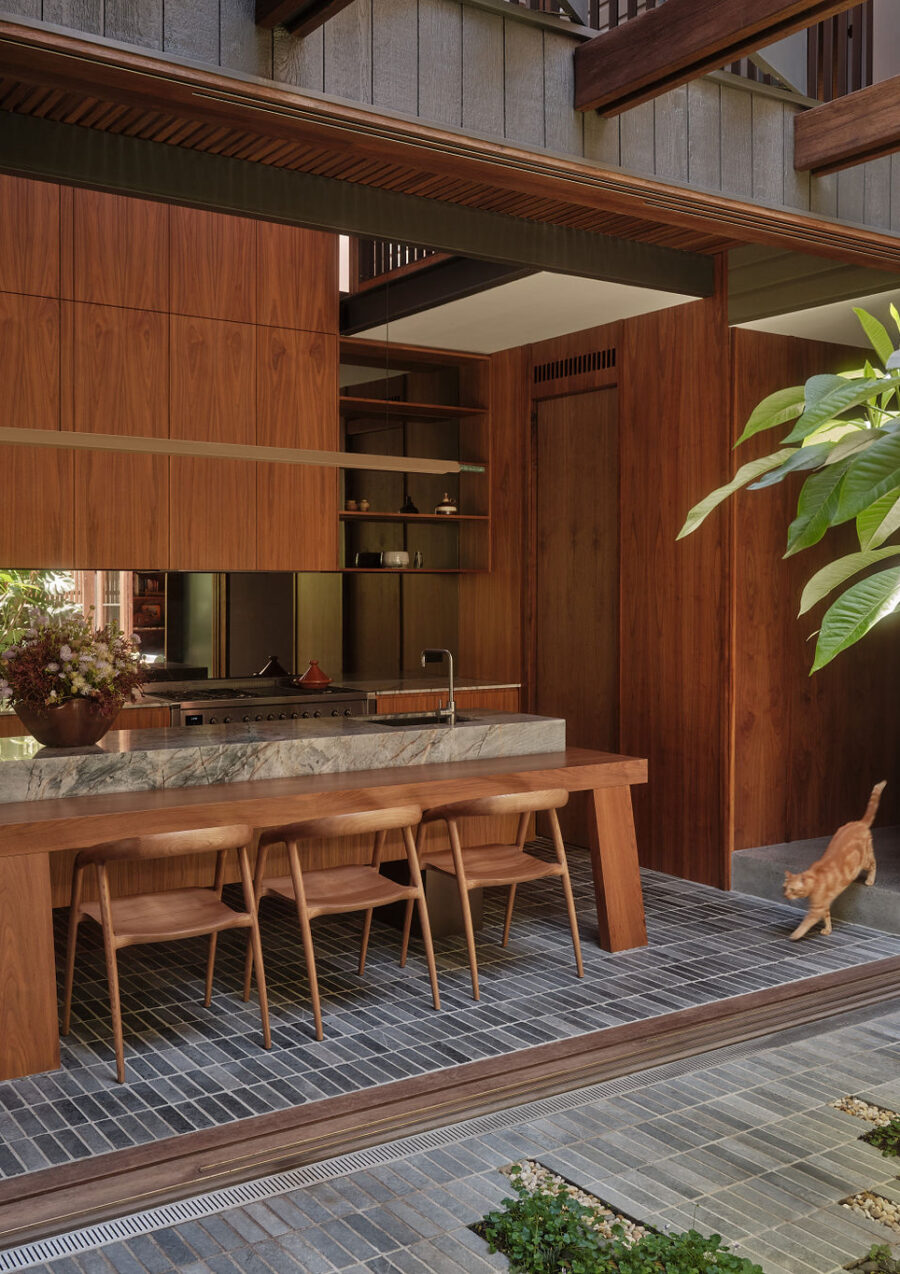
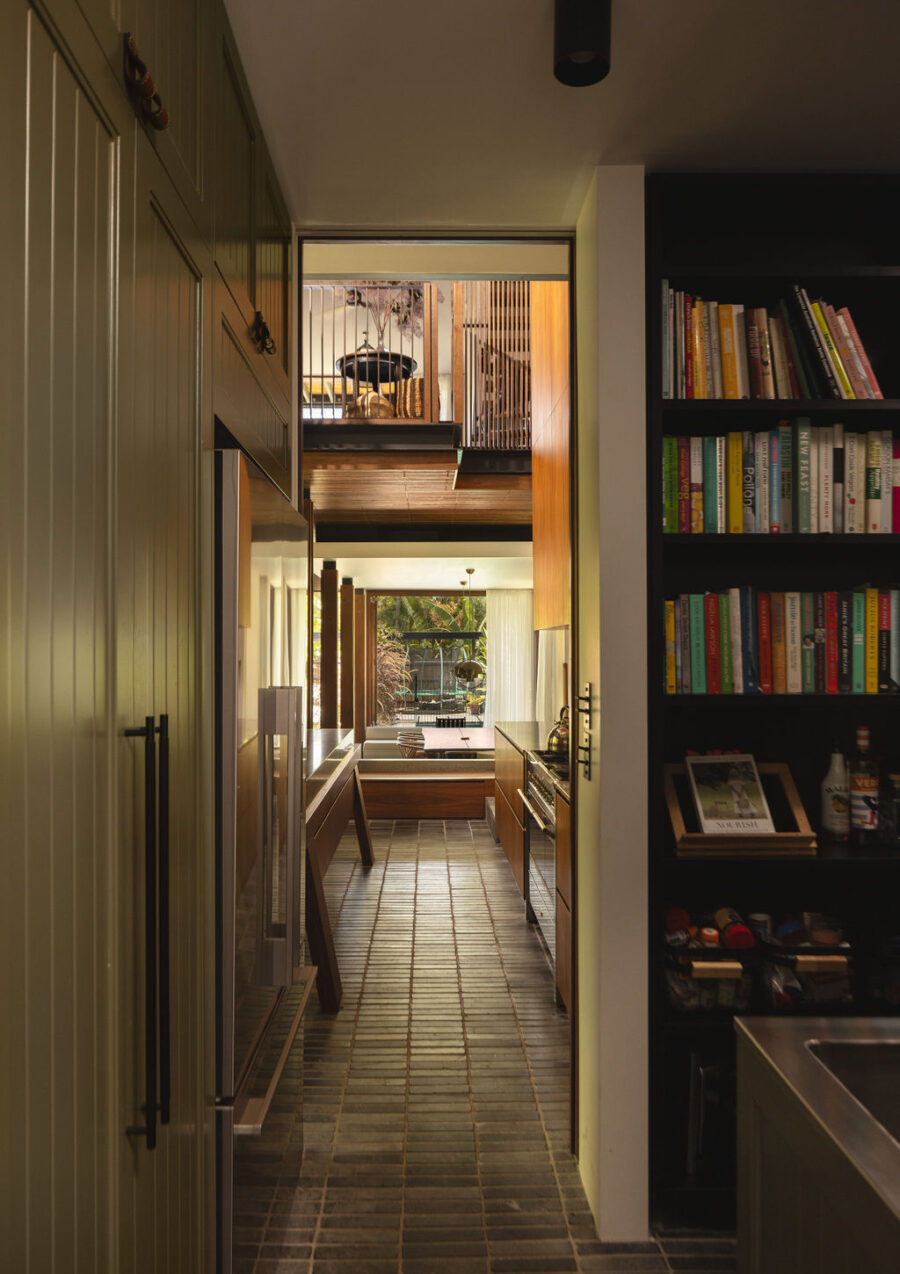
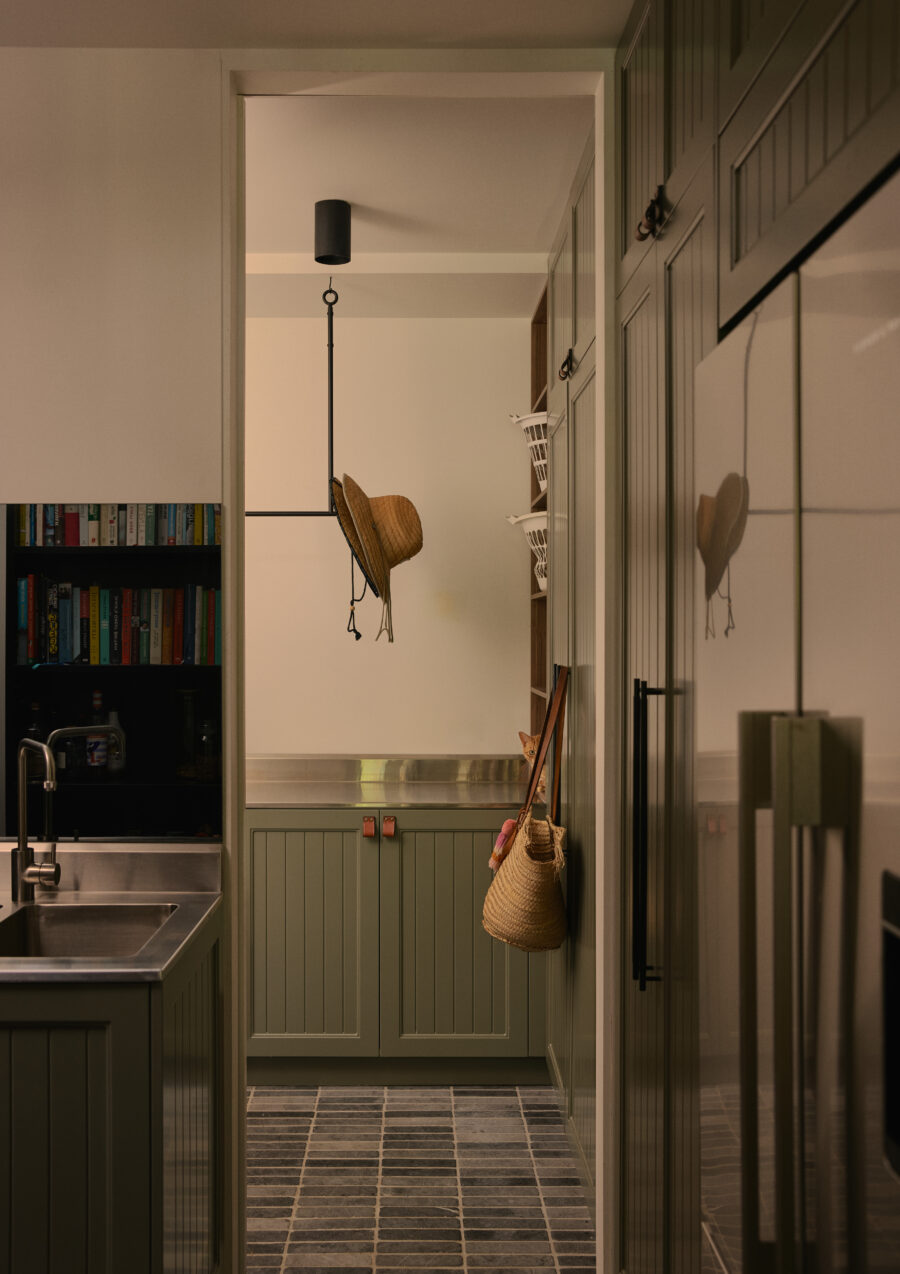
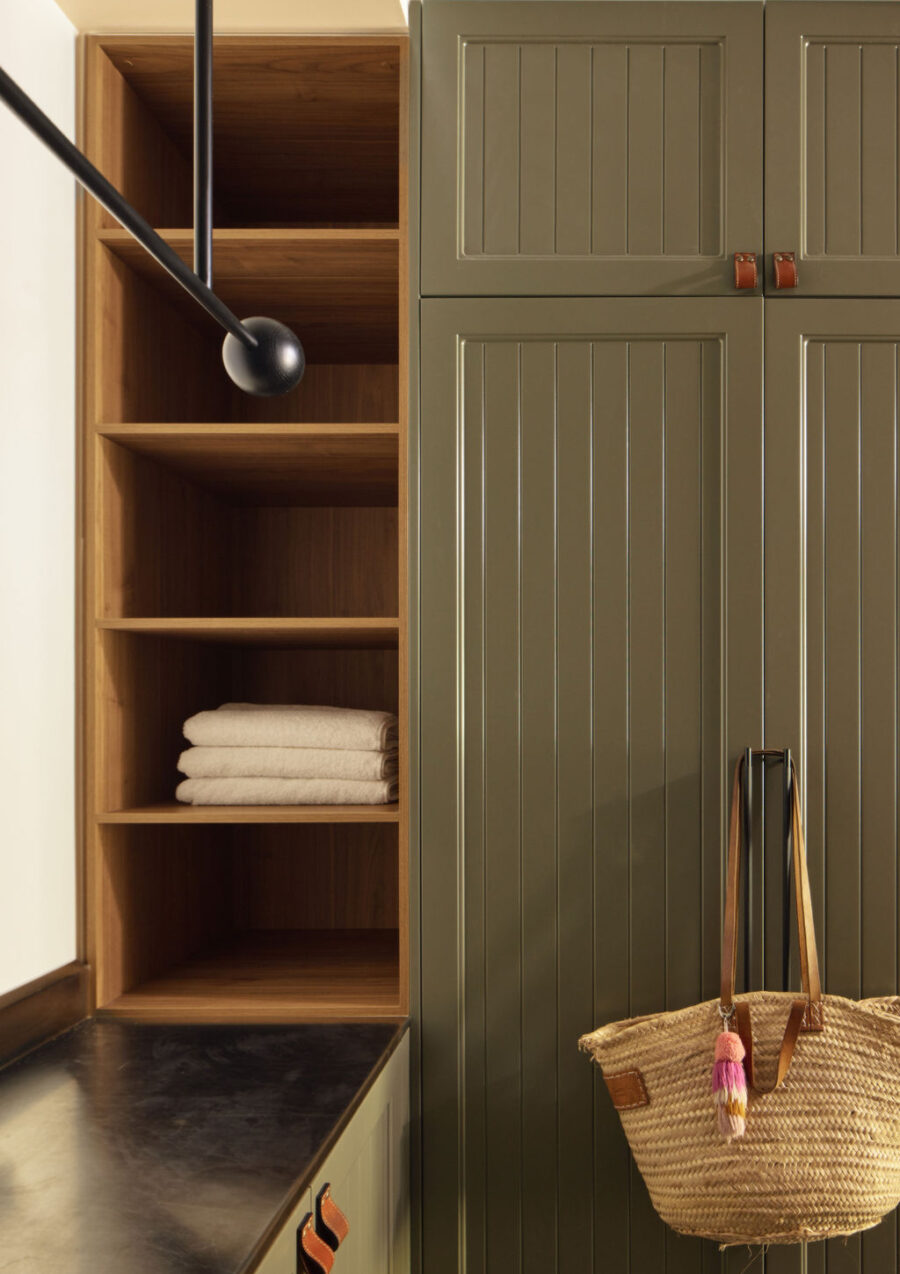
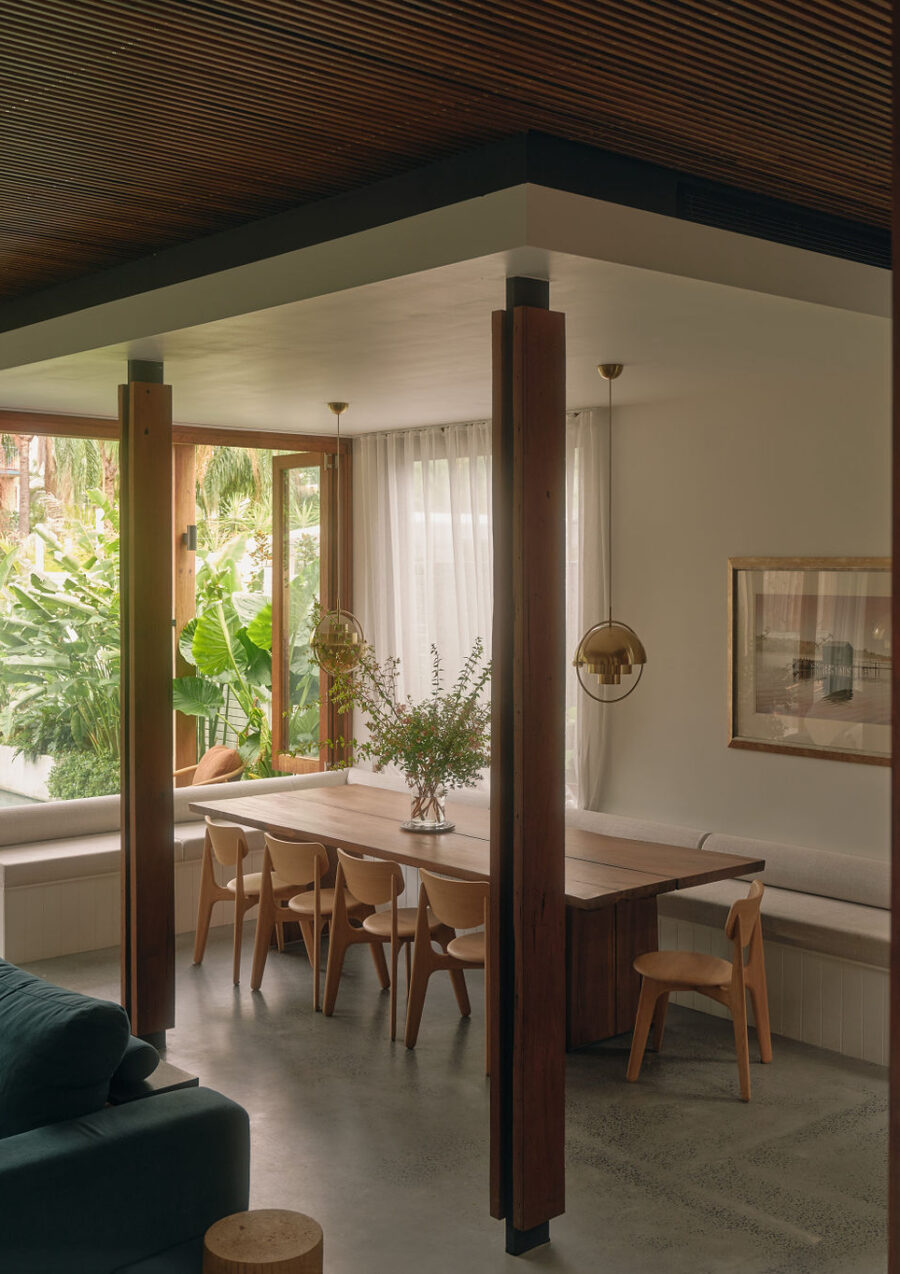
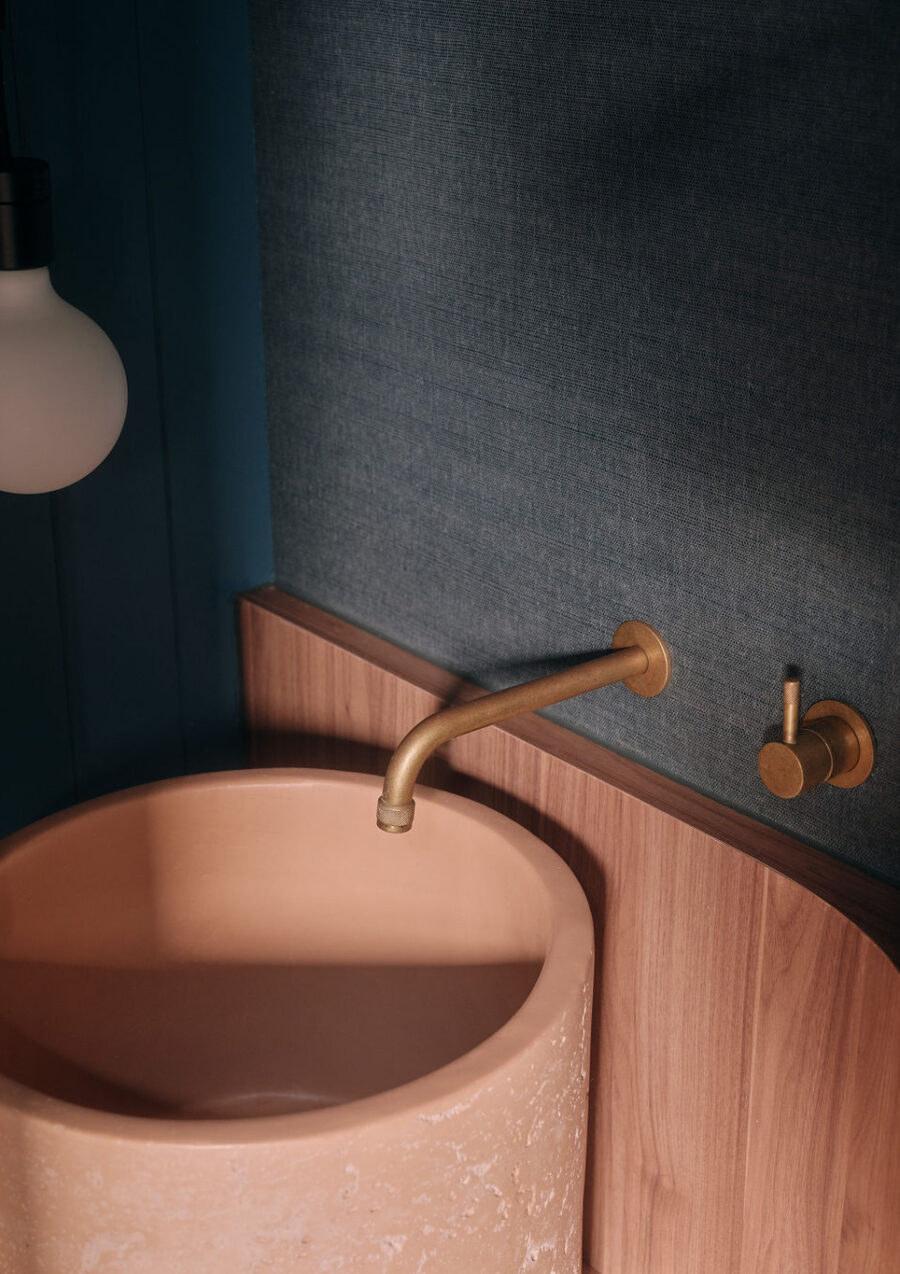
Material choices reinforce restraint and permanence. Timber, concrete, and stone form the core palette. The design team uses these materials for structure and spatial definition. The materials remain exposed and honest. Interior and exterior spaces share the same material language. This approach strengthens the link between house and landscape.

Light and ventilation guide daily living. Carefully placed openings draw daylight into key spaces. Cross-ventilation reduces reliance on mechanical systems. Breezes move through the courtyard and living areas. The home responds directly to seasonal change in Brisbane’s climate.

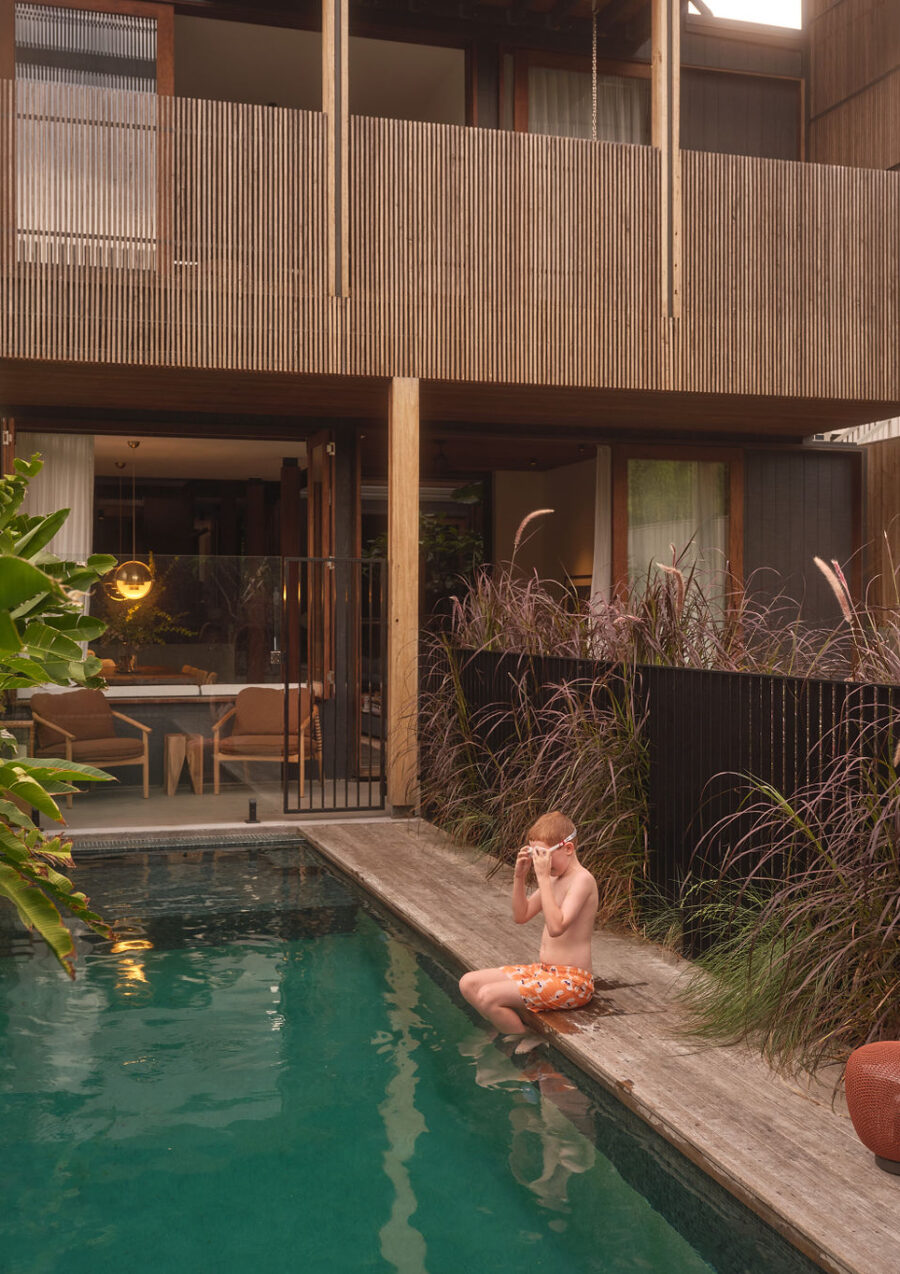
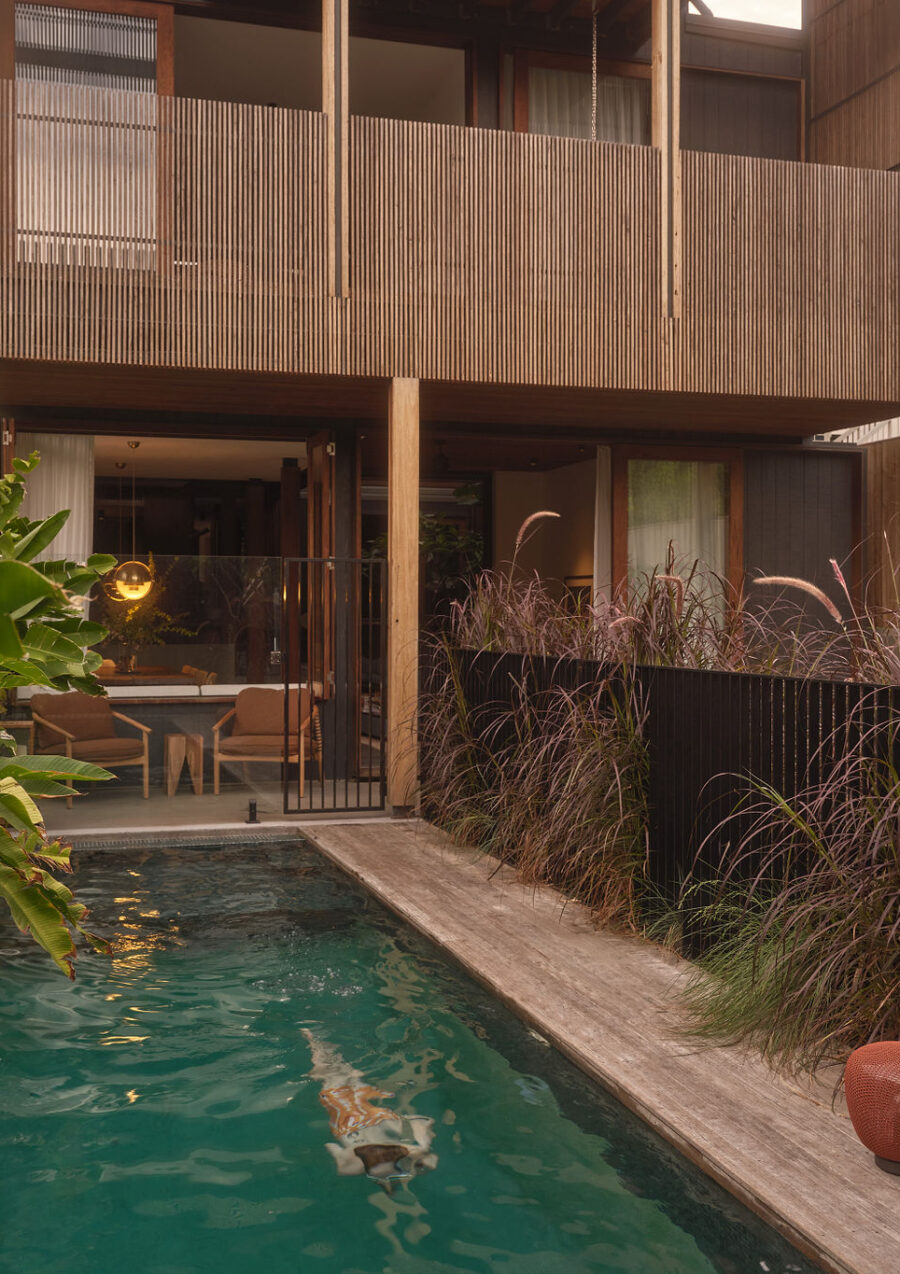
The kitchen and living spaces form the social centre of the home. These spaces open directly to the courtyard and garden. Daily life extends easily between inside and outside. The design supports connection between cooking, dining, and outdoor living.

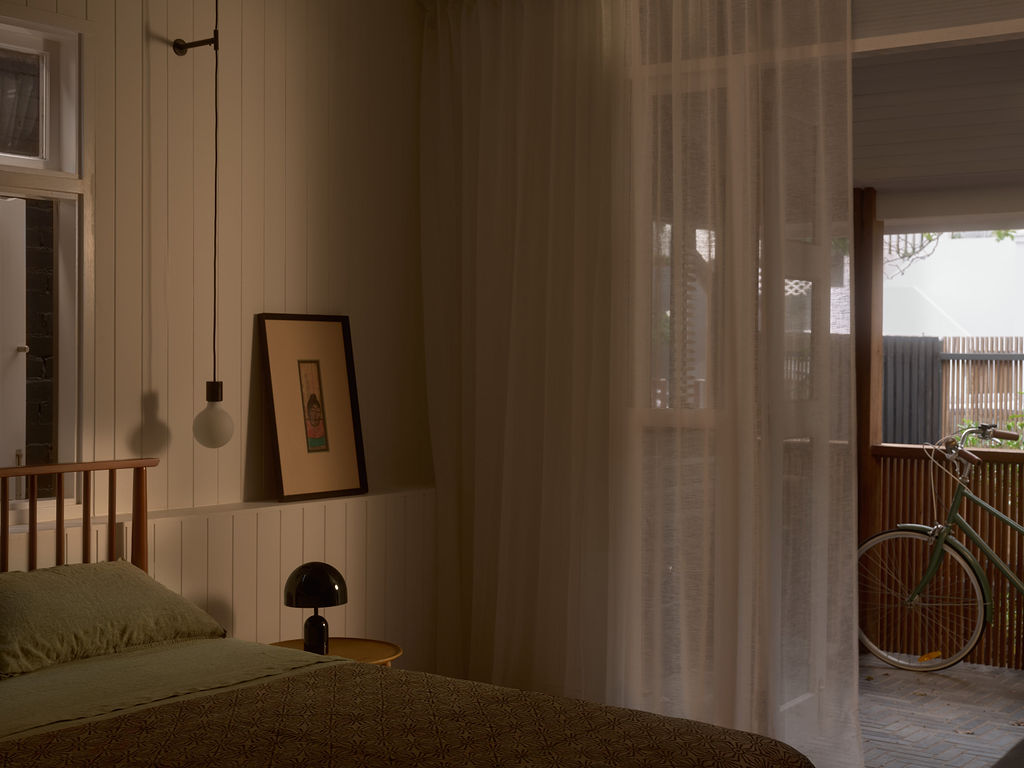
Private spaces sit in quieter zones of the house. Bedrooms receive filtered light and controlled outlooks. These spaces prioritise calm and retreat. The design balances openness with privacy. This balance supports different modes of living throughout the day.

A clear relationship is maintained between old and new. The original Queenslander remains readable as a historic structure. The new addition introduces a contemporary layer. Both parts retain their identity within the composition. The design avoids blending or imitation.

Kent demonstrates how constrained urban sites can support strong architectural outcomes. The design team treats limitations as drivers for precision. The project shows how heritage homes can adapt without losing character. It also shows how contemporary architecture can strengthen existing residential fabric.

The project received Kitchen of the Year at the 2025 HIA Interior Design Awards. It also earned a place on the longlist for the 2025 Dezeen Awards. These recognitions reflect the project’s clarity, environmental response, and spatial resolution.

The outcome here reflects a disciplined approach to residential architecture. The design team focuses on clarity, restraint, and context. The project strengthens the connection between heritage and contemporary living. It also shows how architecture can respond directly to place, climate, and everyday life.


In collaboration with

BBH Projects 

Cieran Murphy

Tory Waller

https://alexandrabuchanan.com/awards-publication-recognition/

Project details

A central courtyard forms the organising focus of the plan, introducing daylight and cross-ventilation to the internal spaces. It also operates as a spatial separation between the existing cottage and the new addition, allowing the original structure to remain legible within the overall composition.
Related Projects

View all projects