Ascot Club House

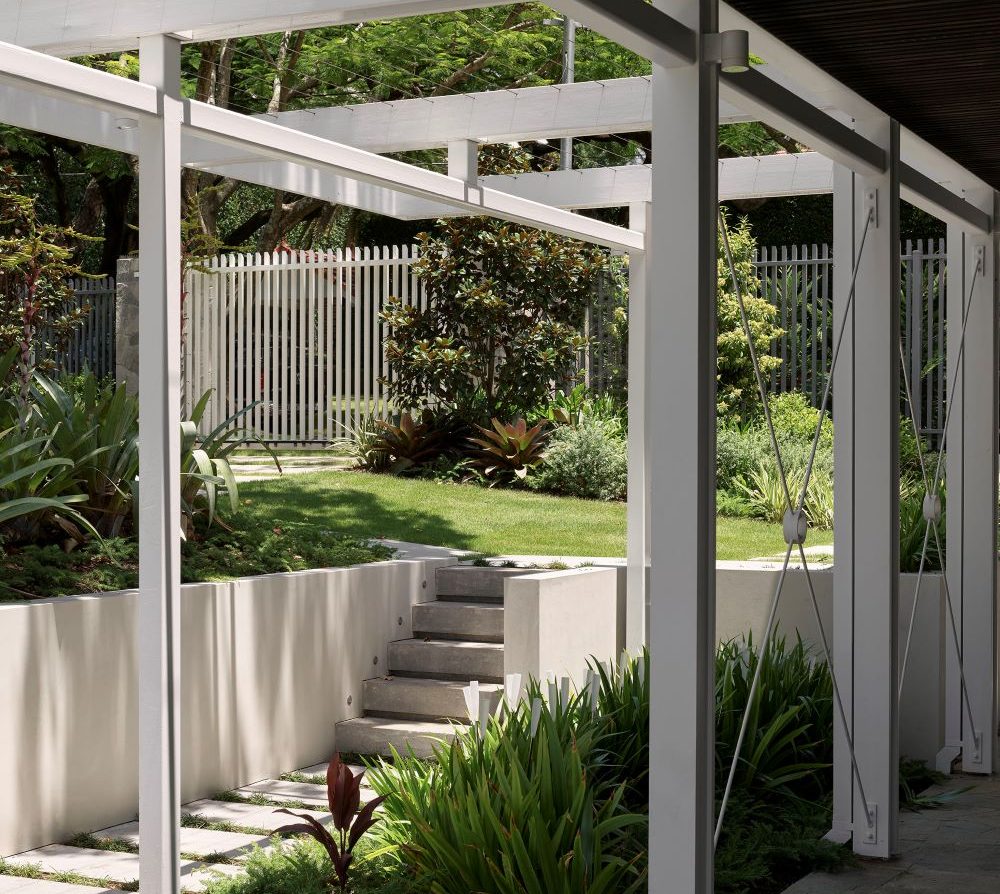
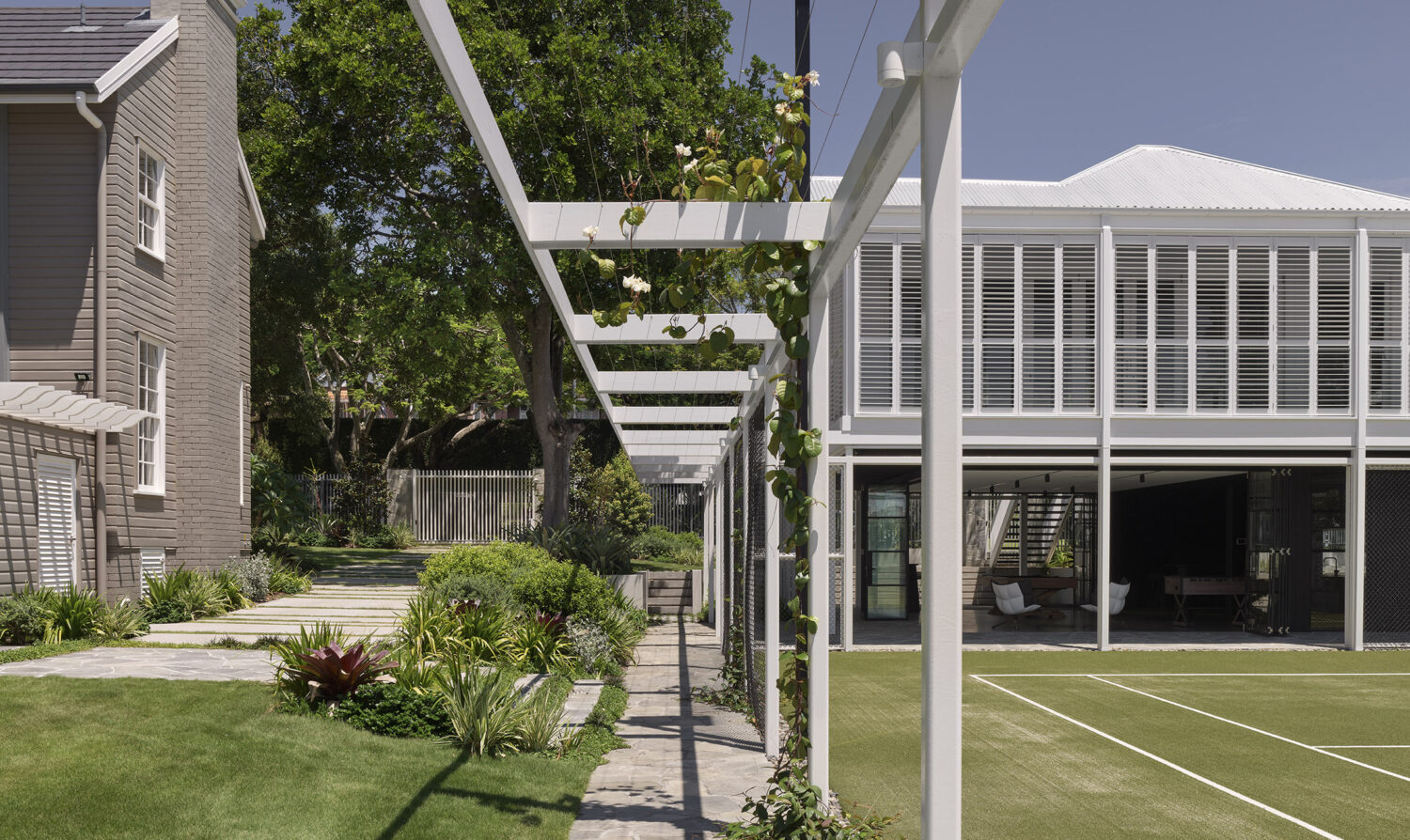






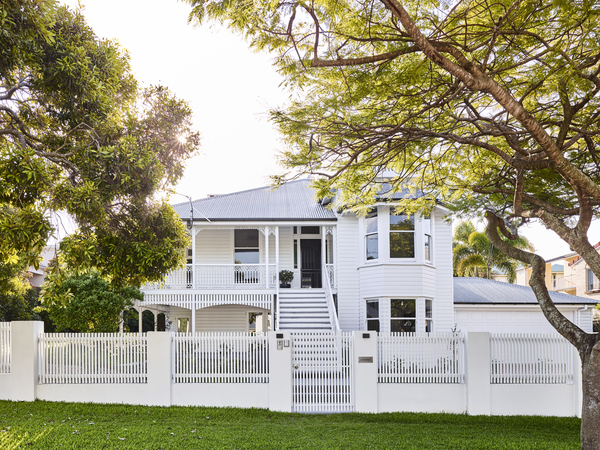
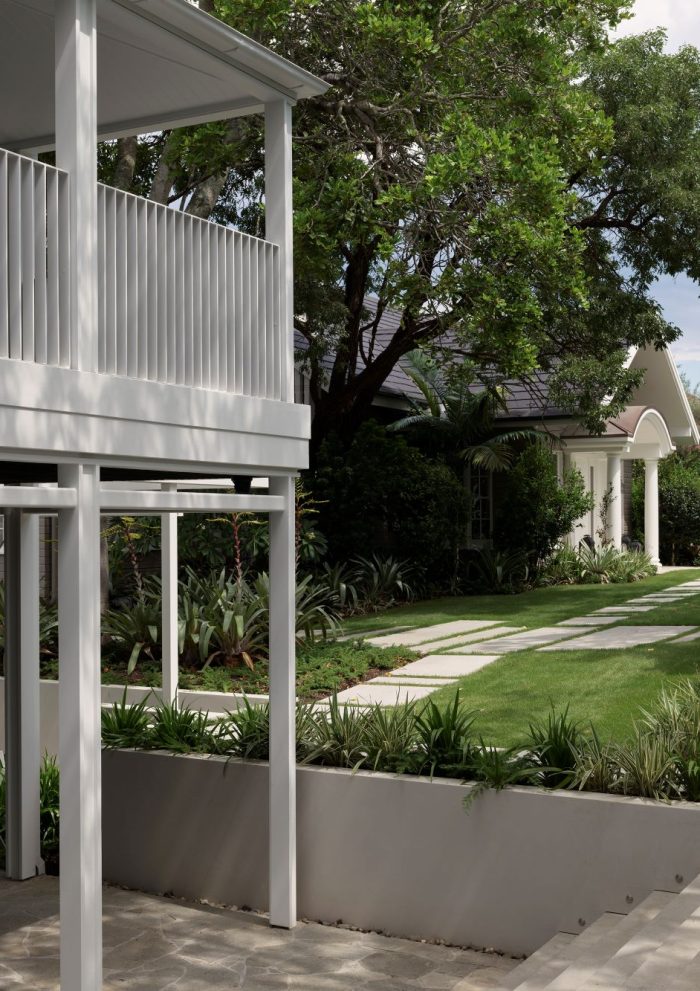
Located in Brisbane’s inner north-east, Ascot is defined by a rich concentration of Queenslander housing typologies. The project involves the relocation of an original 1912 Queenslander to accommodate a new tennis court within the rear of the site, restructuring the relationship between house and landscape.
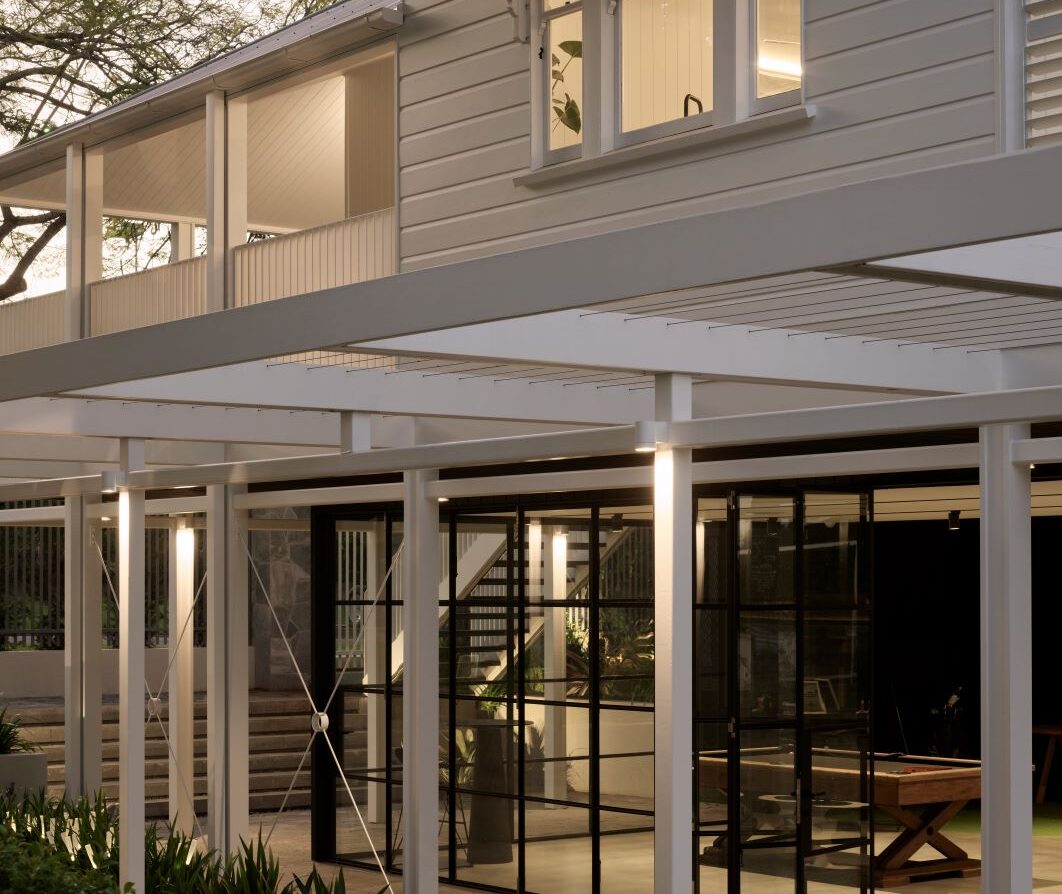
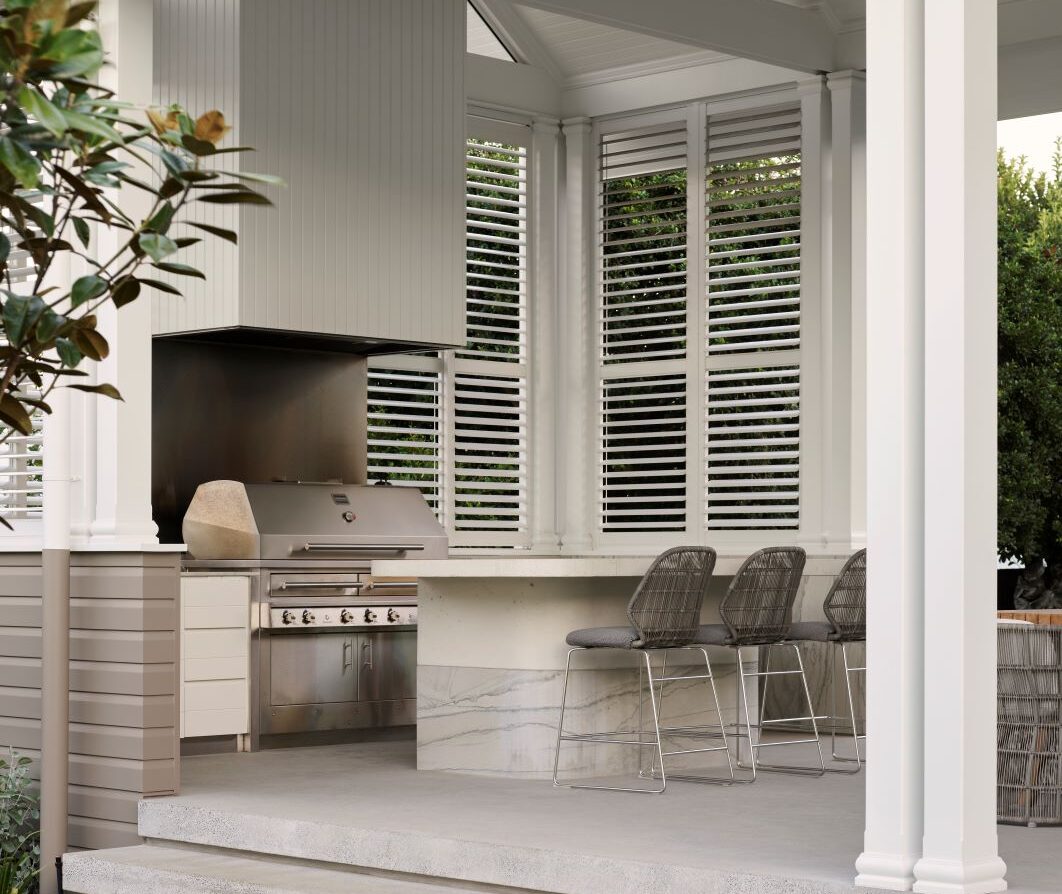
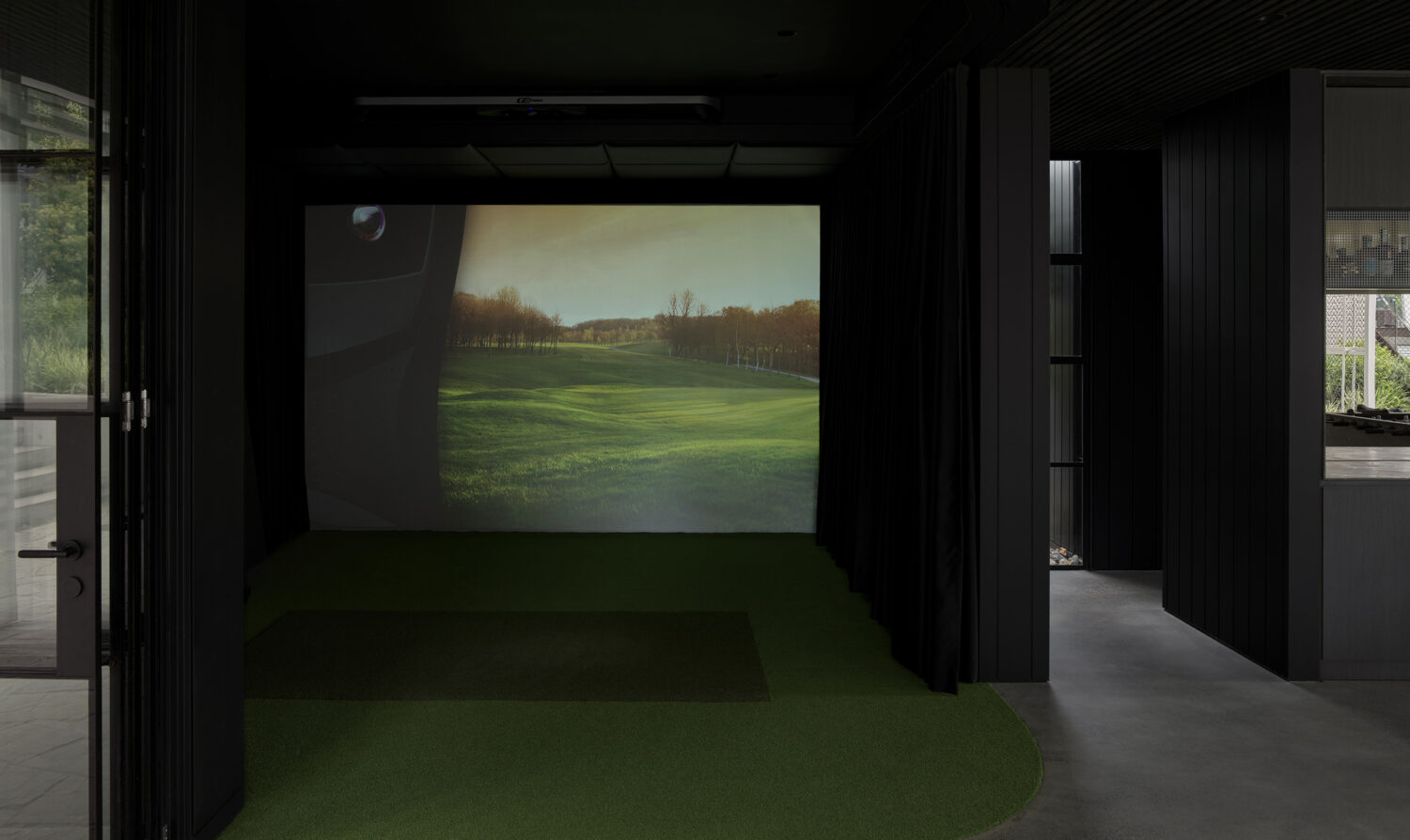
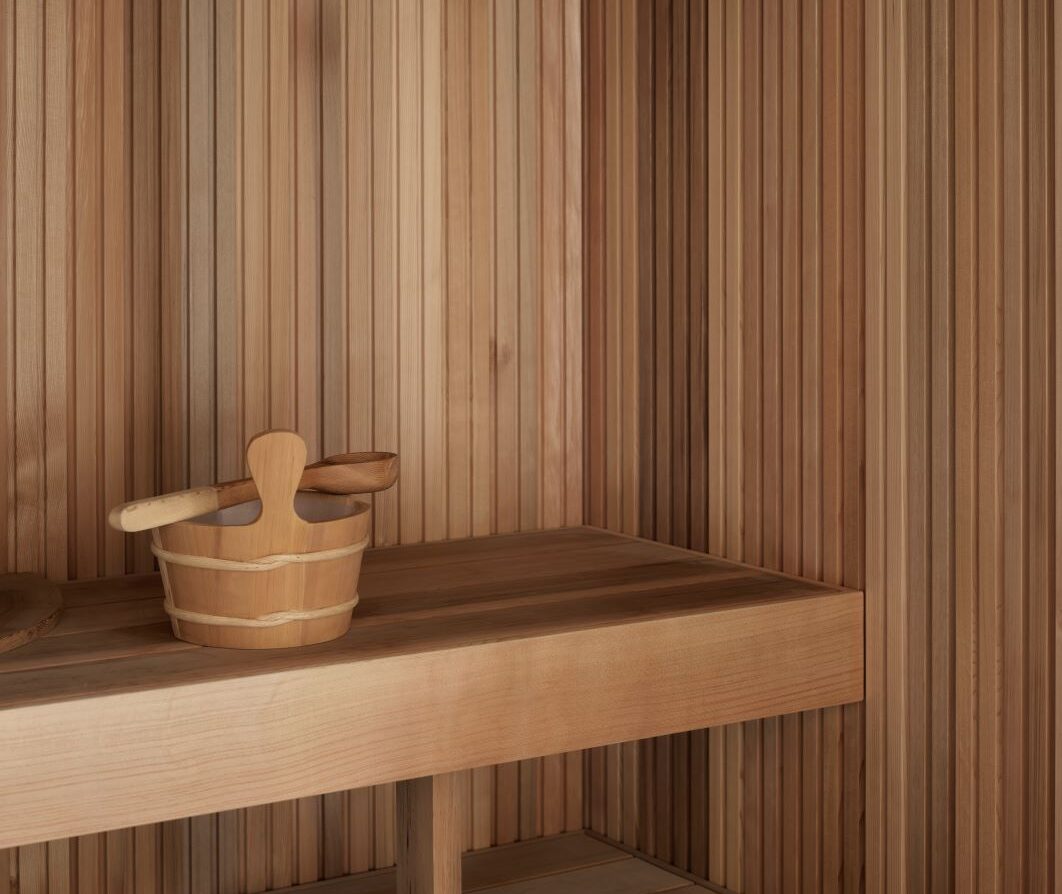
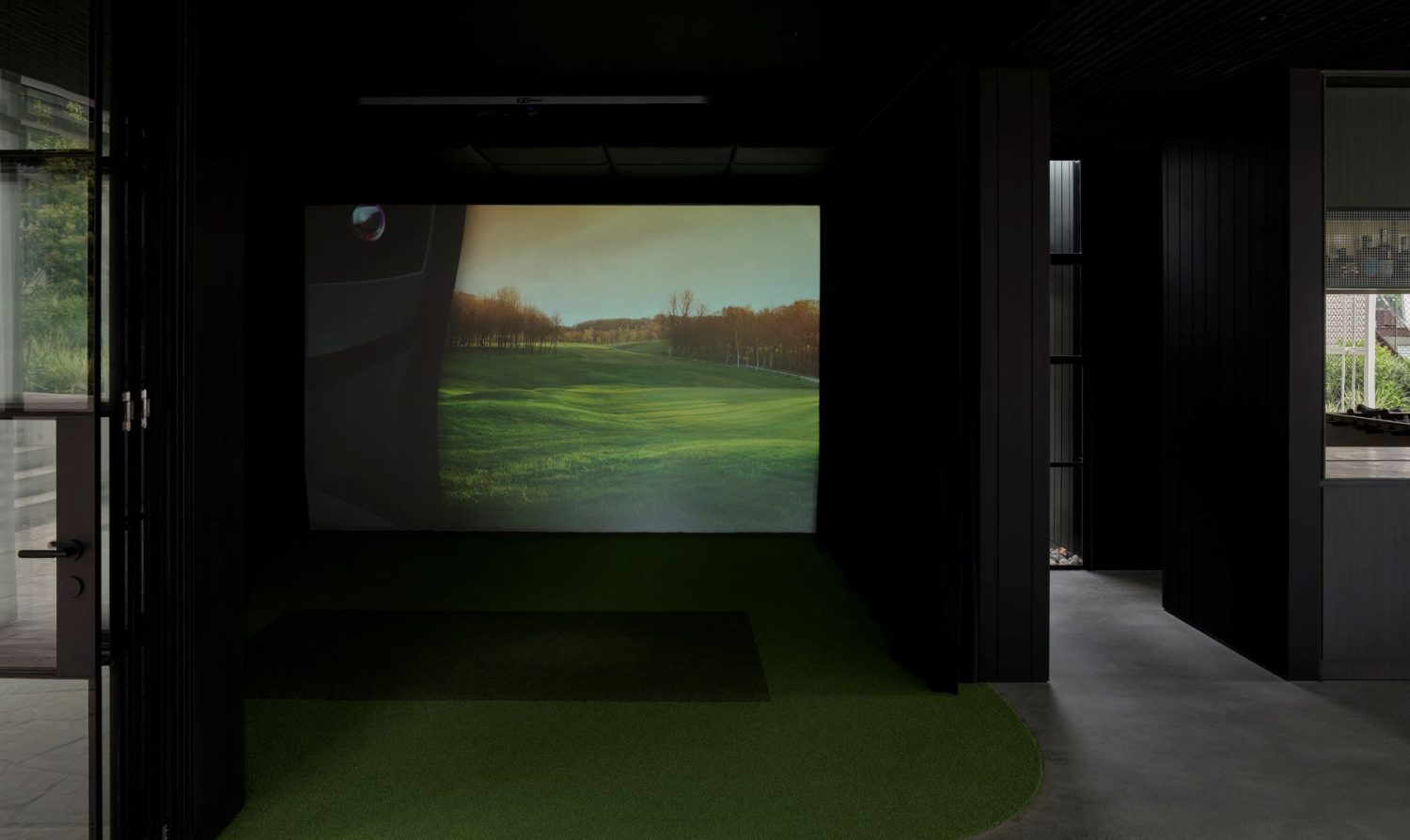
Reconceived as a guest house and distinct leisure pavilion within the broader site, the building now supports a secondary layer of domestic life, incorporating spaces for entertaining, wellness and recreation including a gym, sauna, lounge, bar and golf simulator.
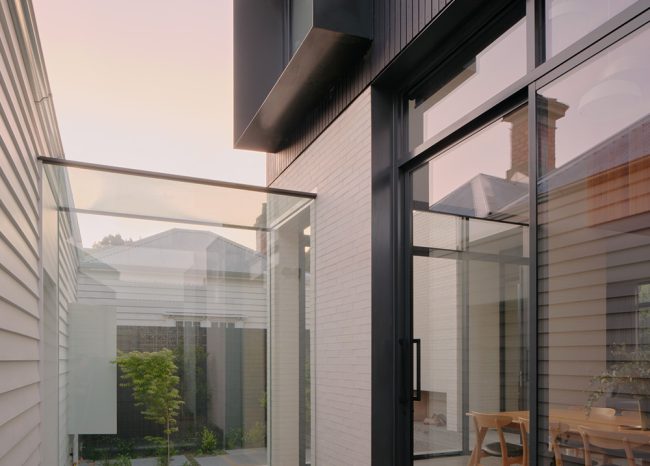
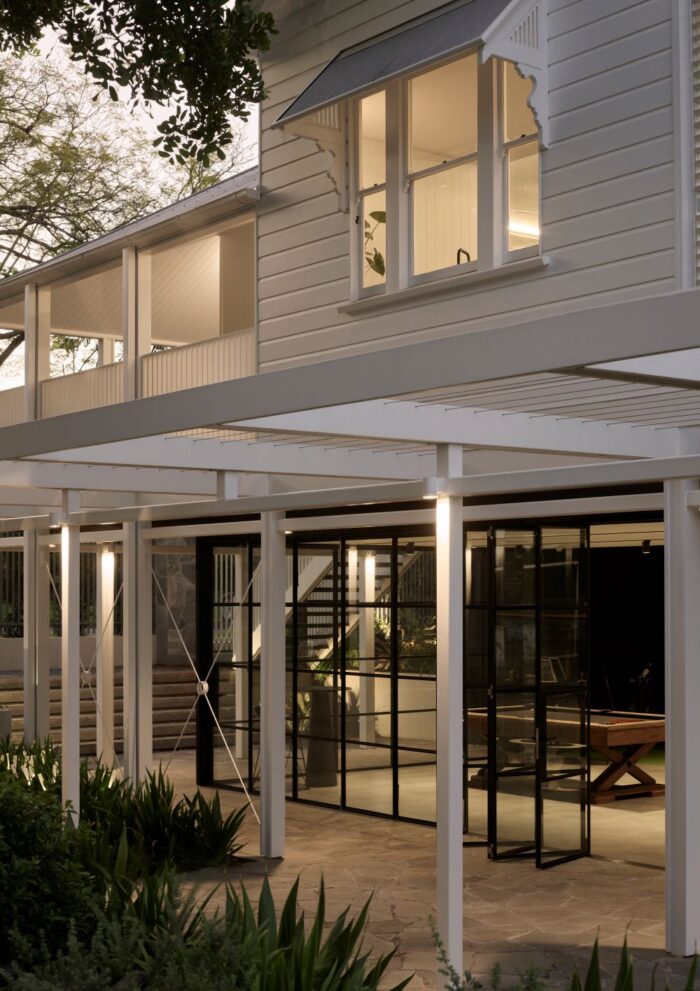
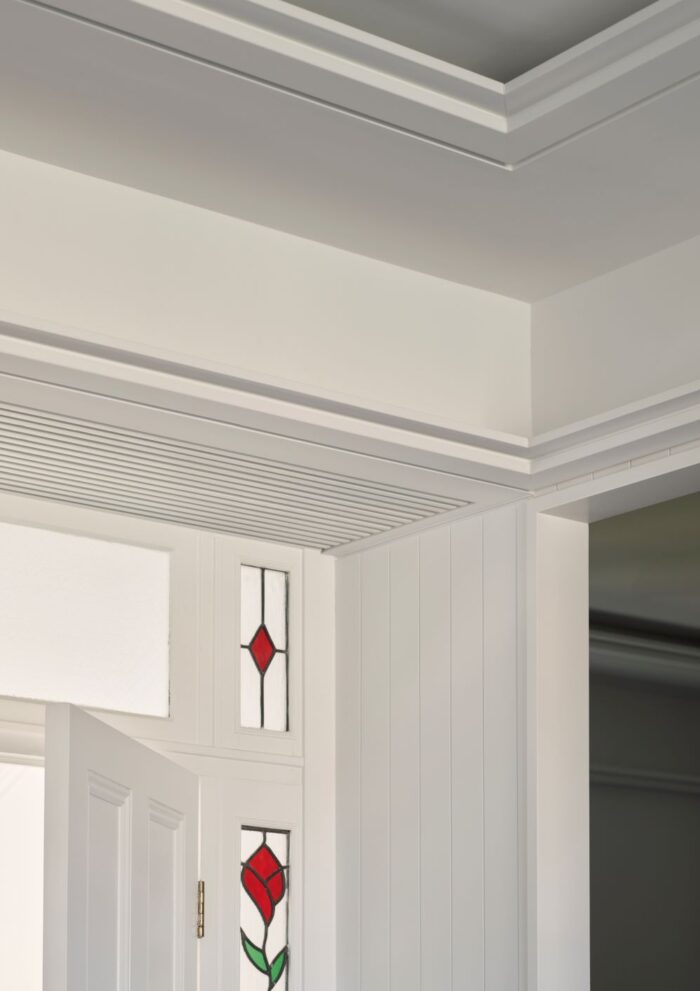
The architectural approach retains the inherent elegance of the original Queenslander, expressed through timber detailing and structural clarity, while introducing contemporary insertions that establish a legible dialogue between old and new.
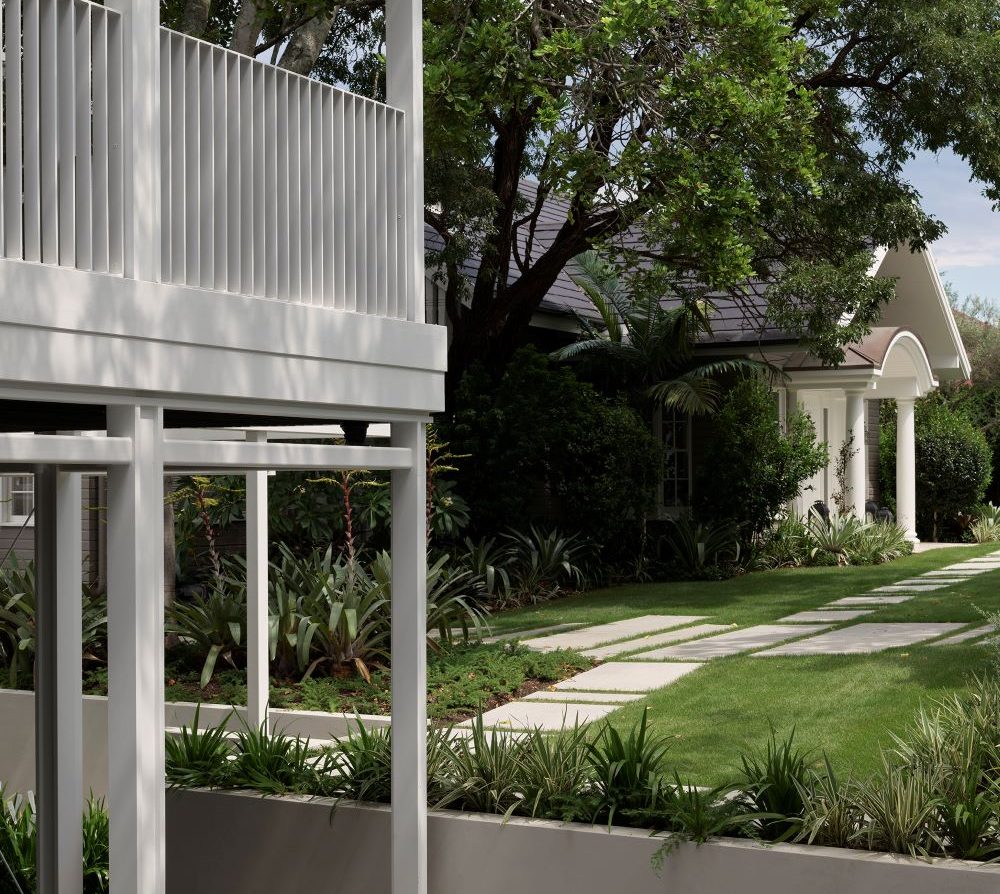
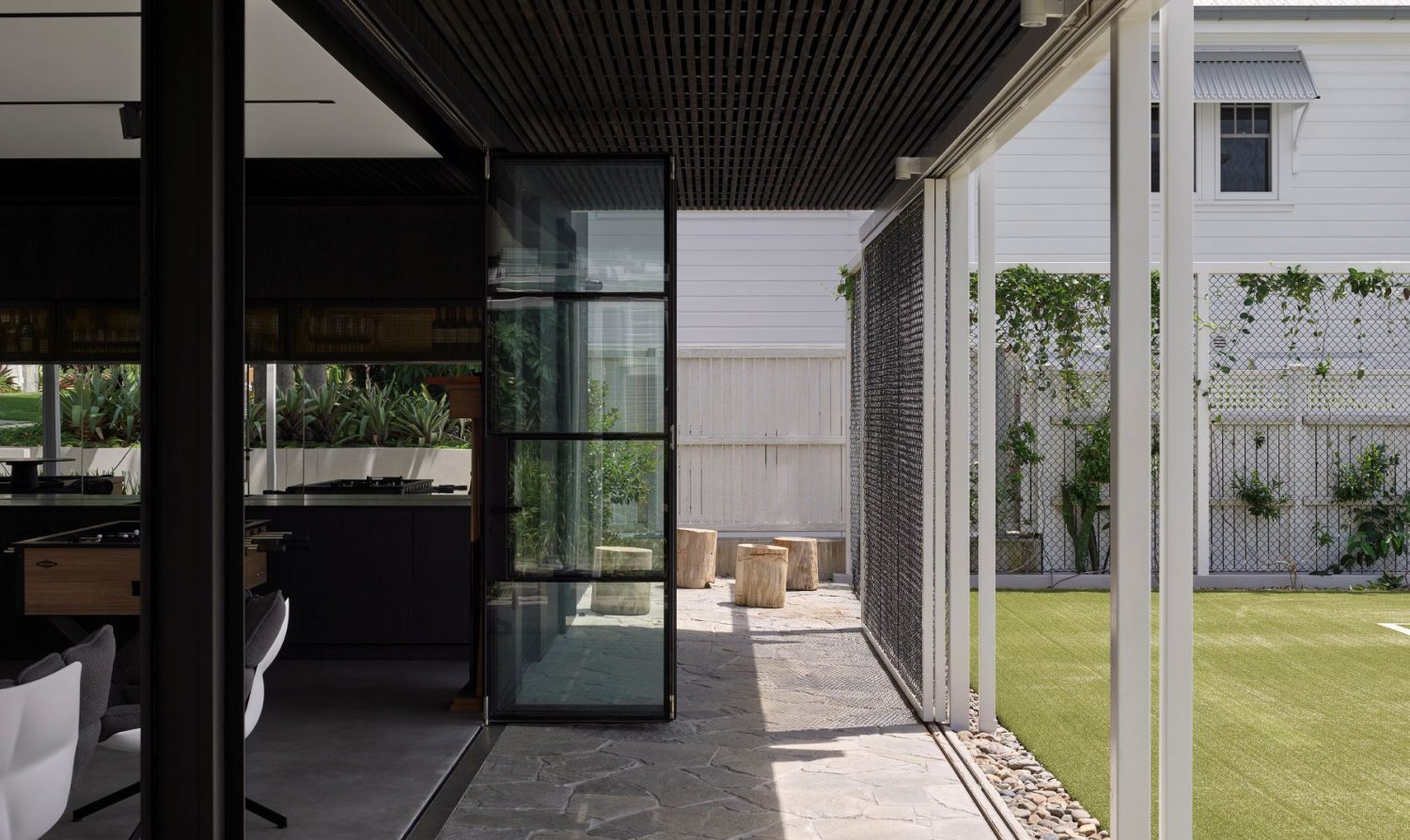
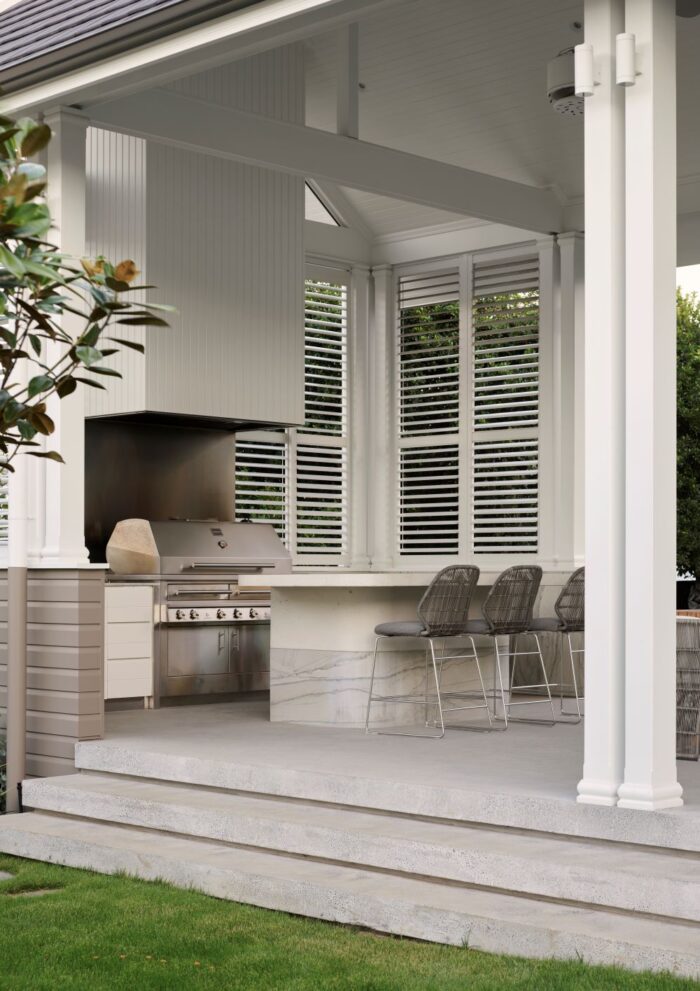
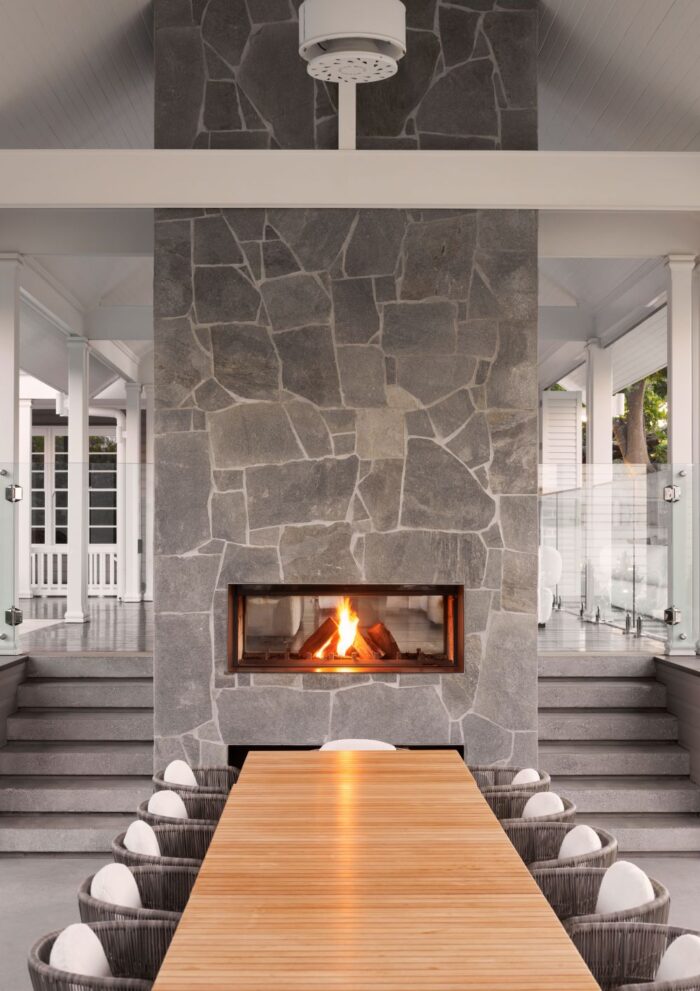
At ground level, timber, steel and concrete define a relaxed, atmospheric verandah condition, where indoor and outdoor spaces merge through large operable openings. Horizontal planes and landscape elements extend the spatial field toward the tennis court, reinforcing continuity across the site.
The result is a refined and highly adaptable guest house that extends the lifestyle of the main residence while reinterpreting the Queenslander typology in a contemporary context.
The design preserves the inherent qualities of the Queenslander through careful attention to proportion, timber construction and expressive detailing. Rather than replication, the approach reinforces the clarity of the original construction logic while allowing contemporary insertions to define new spatial relationships.
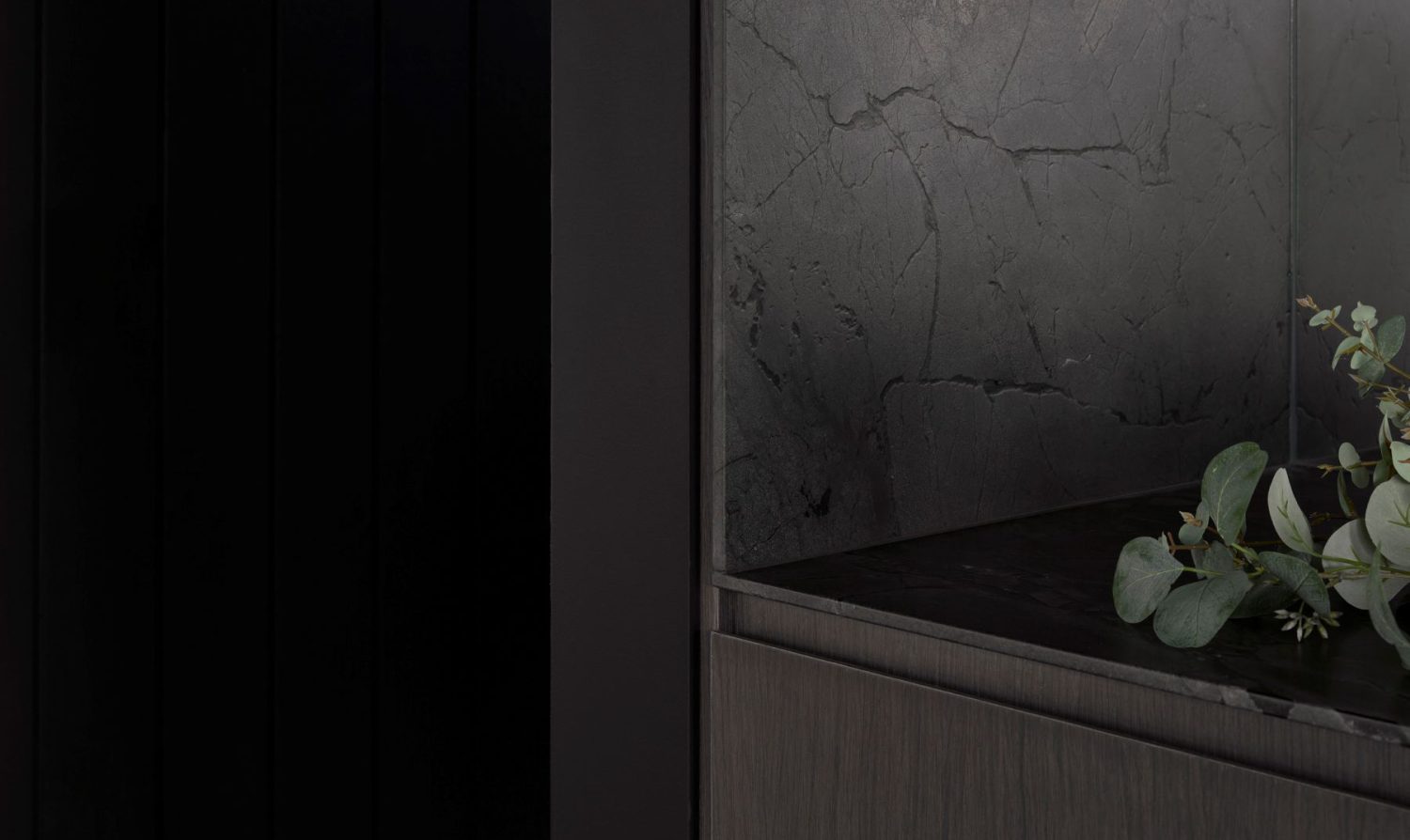
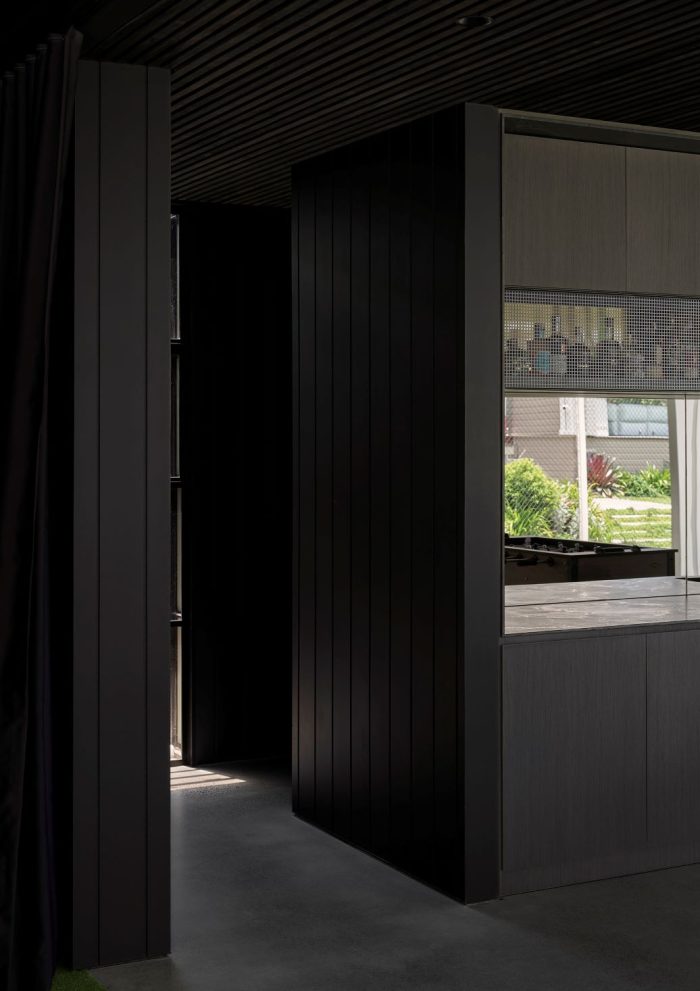
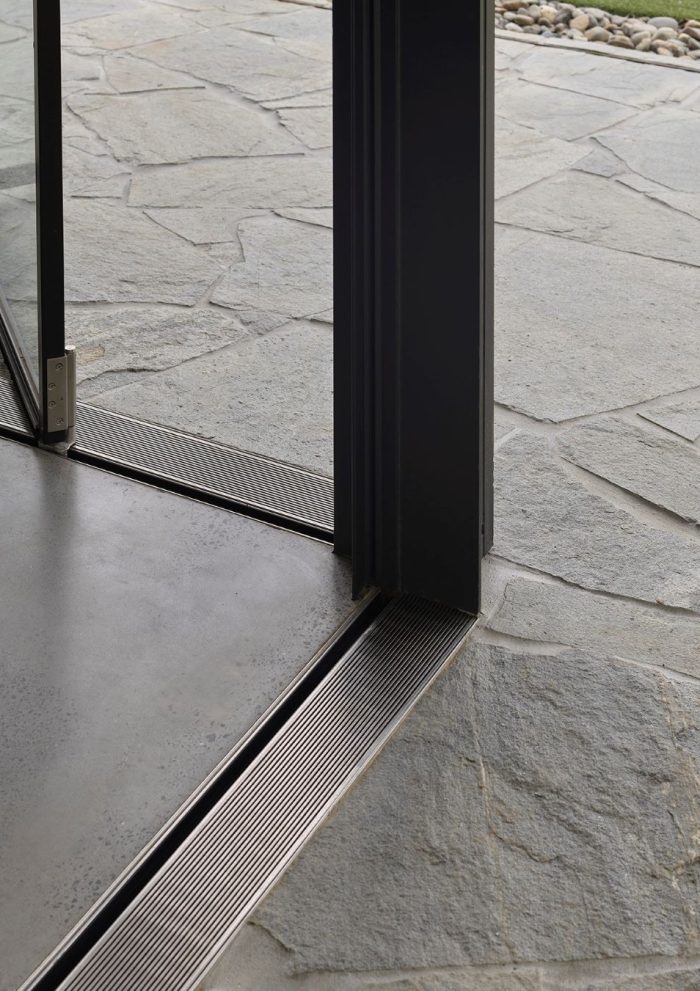
New interventions are articulated through a restrained material palette of timber, steel and concrete, establishing a clear distinction between existing and added fabric. Large-scale sliding elements at ground level enable full spatial extension between interior and exterior conditions, creating a continuous relationship with the surrounding landscape.
A system of horizontal timber planes extends across the site, structuring movement between the primary living areas and the tennis court. This layered ground condition establishes a sequence of shaded and open zones, reinforcing the landscape as an extension of architectural space rather than a backdrop.
The result is a reconfiguration of the traditional Queenslander typology, where relocation, addition and landscape integration combine to form a coherent and adaptable residential estate.
Project details
Completed 2022
Project Type
Location
Floor area
Photography
Architectural Team
Design Team
Construction Team
Key Products







Conceptual Masterplan
A unique brief proposition, this Ascot project was driven by the acquisition of the neighbouring property to provide a tennis court for the main house. The brief and resolution of the remaining cottage was then driven by its resulting location and its relationship to the main house. Ultimately becoming a guest lodge and entertaining space.

Concept resolution
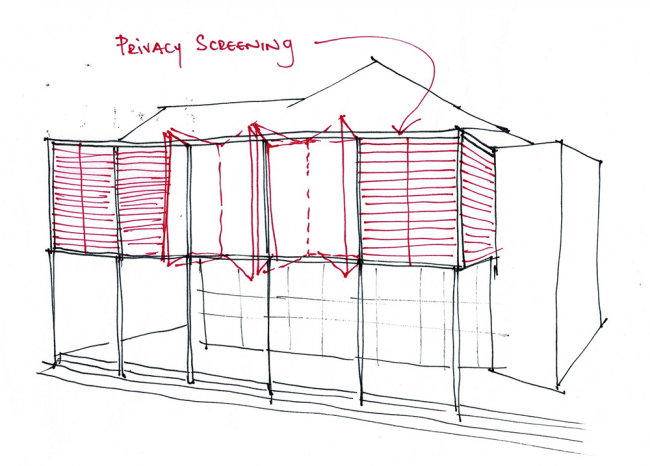
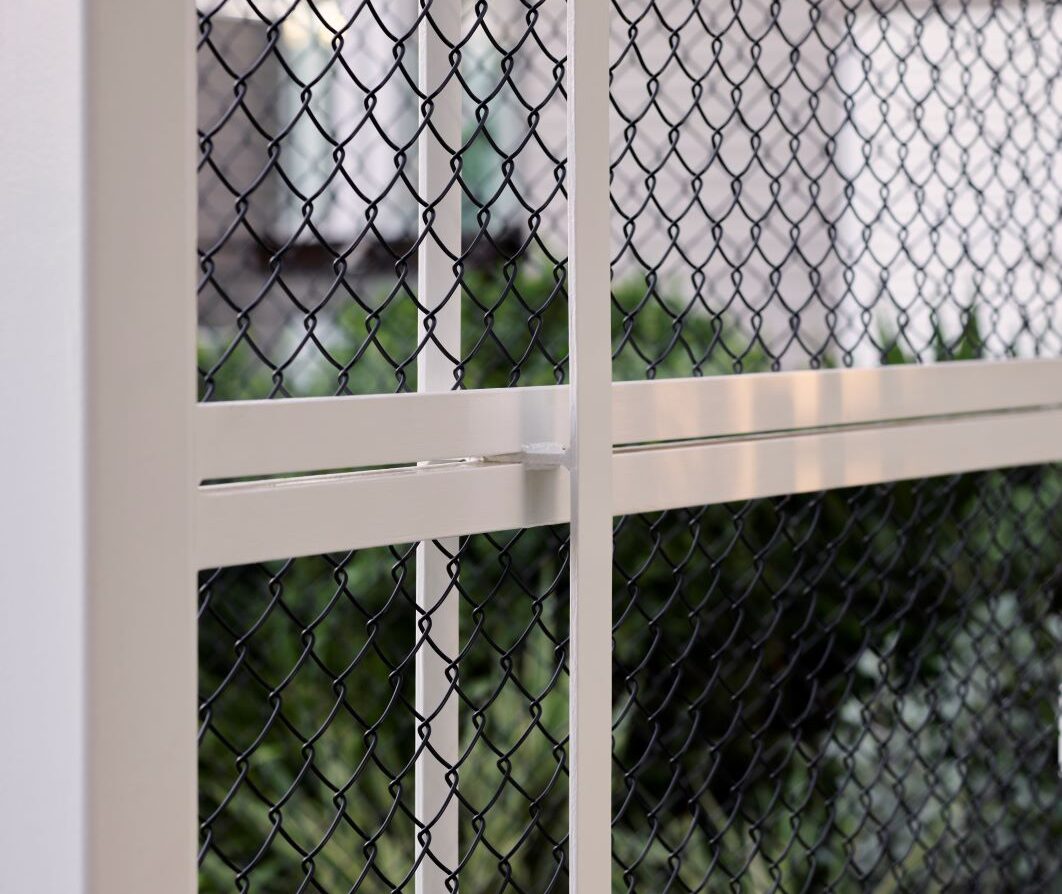
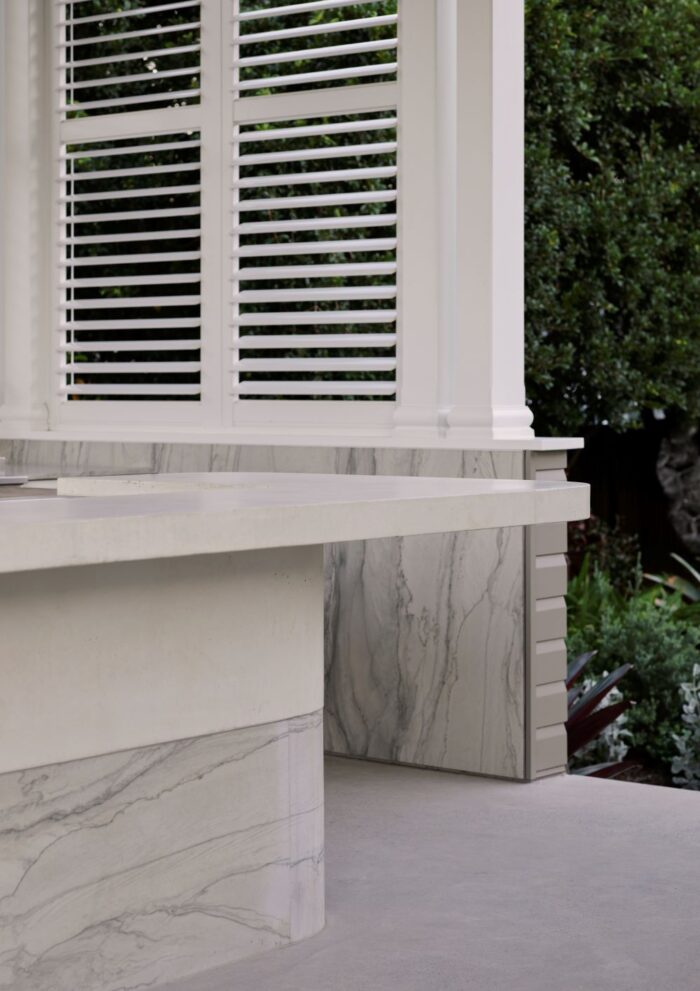
Presenting a refined traditional Queenslander façade to the street the rear of the Club House is more exposed, with elevated views to the proposed tennis court. Using a traditional vernacular of louvred screens in a contemporary expression we developed an operable façade to manage privacy, views and solar gain..